 Garden

Affiliate Disclosure
Some links on this page are affiliate links. As an Amazon Associate, we earn from qualifying purchases — at no extra cost to you. We do not buy, test, or physically handle the products we cover; our rankings come from aggregated owner reviews, ratings and expert consensus. Commissions never change our verdicts. How we rank · full disclosure.
A wired video doorbell taps your existing doorbell wiring for constant power, so it never needs charging, reacts instantly, can ring your indoor chime, and some models record continuously. A wireless doorbell runs on a rechargeable battery you mount in minutes anywhere, but it needs recharging every few months and can lag slightly waking on motion. Choose wired if you have doorbell wiring and want a permanent, always-powered install. Choose wireless if you lack wiring, rent, or want the fastest possible setup.
What's the difference?
The core difference is the power source, and everything follows from it. A wired doorbell connects to the low-voltage wiring and transformer already behind most front doors, giving it uninterrupted power — no batteries, instant response, the ability to trigger your existing chime, and on some models a continuous recording timeline. A wireless doorbell carries its own rechargeable battery, so it mounts anywhere in minutes with no wiring, but it trades constant power for the periodic chore of recharging and, on battery models, motion clips rather than 24/7 footage. Whether your home already has doorbell wiring is usually the deciding factor.
Wired vs wireless doorbell at a glance
| Wired | Wireless / battery | |
|---|---|---|
| Power | Constant, from doorbell wiring | Rechargeable battery |
| Charging | Never | Every 1–several months |
| Installation | Needs wiring / transformer | Minutes, anywhere |
| Response speed | Instant | Slight wake lag possible |
| Rings existing chime | Usually yes | Usually no (separate chime) |
| Continuous recording | Available on some models | Rarely — motion clips only |
| Renter-friendly | Less so | Yes |
| Best for | Homes with wiring, permanent setups | No wiring, renters, quick install |

Which is better if you have doorbell wiring?
Wired, in almost every case. Tapping the existing wiring means the doorbell never runs low, responds the instant someone presses it or steps into view with no battery-saving wake lag, and can ring the indoor chime you already have. Some wired models add continuous recording for a gap-free front-door timeline that battery units cannot match. The only real catch is checking your transformer supplies enough voltage — an underpowered transformer is the classic wired-doorbell install snag. If the wires are there, using them gives the more responsive, maintenance-free doorbell.
Which is better without wiring or for renters?
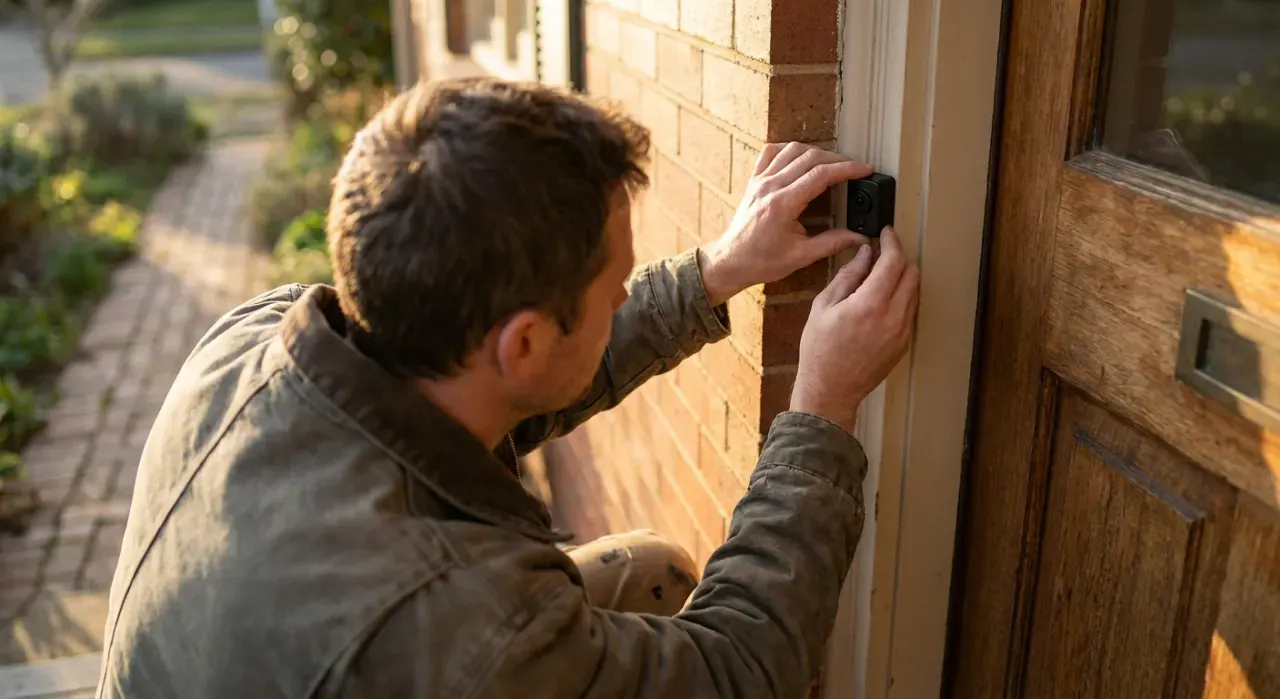
Wireless, clearly. A battery doorbell mounts to the door frame or wall with a couple of screws or an adhesive plate and pairs to the app in minutes, with no wiring, no transformer and no drilling into the electrical system — ideal if your home has no doorbell wires or if you rent and cannot alter the property. The trade is recharging it every few months and living with motion clips rather than continuous footage. For the majority of homes without existing wiring, that is a fair price for an install you can finish before lunch and take with you when you move.
Which should you buy?
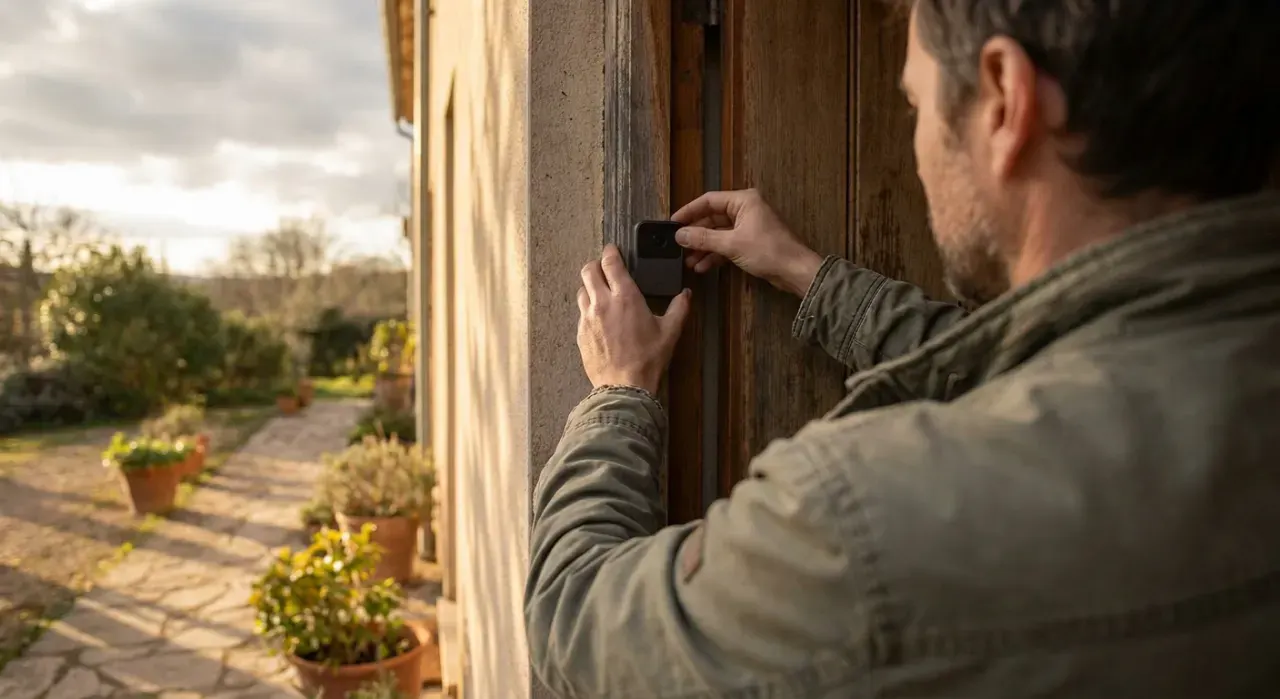
Buy a wired video doorbell if you have existing doorbell wiring and want a permanent, always-powered device with instant response, your indoor chime, and possibly continuous recording — just confirm your transformer voltage first. Buy a wireless doorbell if your home has no wiring, you rent, or you want the quickest, least invasive install, and you do not mind recharging the battery periodically. Some owners get the best of both by hardwiring a battery model to keep it topped up. Our picks come from aggregated owner reviews and expert consensus rather than first-hand testing — see how we rank.
Where to go next
Compare specific models in our best video doorbells roundup and the best video doorbell without a subscription. Related reading: how to install a video doorbell. More comparisons: wired vs wireless security cameras. All under the smart home and security hub.