 Garden

Affiliate Disclosure
Some links on this page are affiliate links. As an Amazon Associate, we earn from qualifying purchases — at no extra cost to you. We do not buy, test, or physically handle the products we cover; our rankings come from aggregated owner reviews, ratings and expert consensus. Commissions never change our verdicts. How we rank · full disclosure.
A robot vacuum cleans automatically on a schedule and keeps hard floors and low carpet tidy with almost no effort, but it has less suction than a full-size vacuum, struggles with deep carpet, can't do stairs, and misses edges and corners; a regular vacuum deep-cleans carpet, stairs, and tight spots on demand but requires you to push it. For most homes the two aren't rivals but a pair: let a robot handle daily maintenance and keep a regular vacuum for weekly deep cleaning. Only all-hard-floor, clutter-free homes come close to going robot-only.
What each one is built to do
They're designed for different jobs. A robot vacuum is a low, disc-shaped unit that navigates the floor on its own, ideal for frequent, light passes that stop dust and crumbs from accumulating, but limited by a small motor, a small bin, and an inability to climb stairs or reach into corners and along baseboards. A regular vacuum, upright, canister, or cordless stick, puts a powerful motor and a wide motorized brush in your hands for deep, on-demand cleaning of carpet, stairs, upholstery, and edges. One prioritizes convenience, the other power.

Robot vs regular vacuum at a glance
| Robot vacuum | Regular vacuum | |
|---|---|---|
| Effort | Hands-off, scheduled | You push it |
| Suction / deep clean | Lighter | Strong |
| Carpet | Low pile only | All pile, deep |
| Stairs / edges / corners | Can't reach | Yes, with tools |
| Bin size | Small (self-empty base helps) | Larger |
| Typical price | ~$150–1,000+ | ~$80–500 |

Which fits your home?
Look at your floors and layout. Mostly hard floors or low carpet, an open plan, and a desire for hands-off tidiness point strongly to adding a robot. Lots of deep or high-pile carpet, multiple levels of stairs, and cluttered rooms reduce a robot's usefulness and make a strong regular vacuum the priority. Pet owners benefit from both: the robot suppresses daily shedding while the regular vacuum deep-cleans carpet, upholstery, and stairs the robot can't touch.
The upkeep difference
Robots trade cleaning effort for maintenance attention. Their small bins fill fast (a self-emptying base solves most of this), brush rolls and side brushes tangle with hair and need cleaning, and sensors want occasional wiping to keep navigating well. A regular vacuum needs its bag or bin emptied and filters cleaned, but you're already handling it each use. Neither is maintenance-free; the robot just shifts the work from pushing to periodic tending.
Which should you buy?
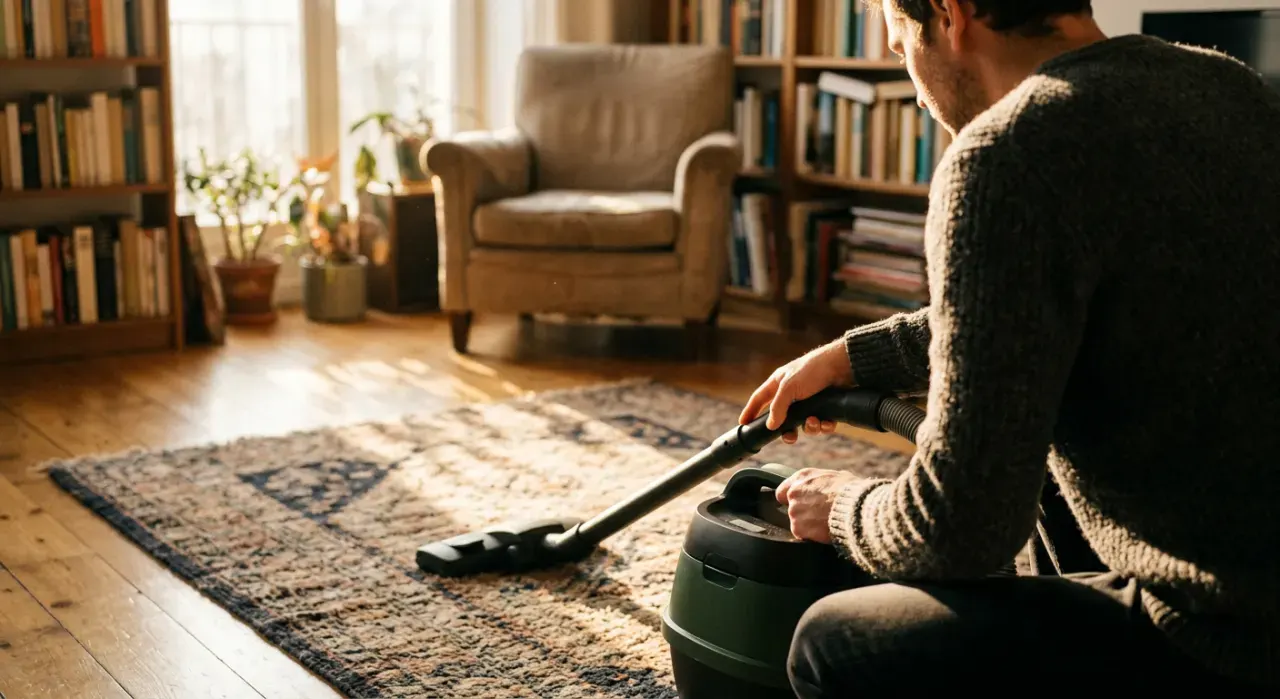
If you can only buy one and your home has real carpet, stairs, or clutter, buy a good regular vacuum first, it does everything, just not automatically. If your home is mostly hard floors and you want daily tidiness with no effort, a robot may cover most of your needs. For most households the ideal is both: a mid-range robot for maintenance and one solid regular vacuum for deep cleaning, which together keep floors consistently clean with minimal effort.
Where to go next
Ready to buy? Our picks for the best robot vacuums and the best vacuum cleaners rank current models on the ratings and complaints owners report. Choosing a regular vacuum? See upright vs canister and corded vs cordless. Everything sits under the vacuums and floor care hub.
We never buy or physically test the products we rank — our recommendations come from aggregated owner reviews and expert consensus, and the method is on how we rank.