 Garden

Affiliate Disclosure
Some links on this page are affiliate links. As an Amazon Associate, we earn from qualifying purchases — at no extra cost to you. We do not buy, test, or physically handle the products we cover; our rankings come from aggregated owner reviews, ratings and expert consensus. Commissions never change our verdicts. How we rank · full disclosure.
The short version: the best vegetables to direct sow are the ones that resent transplanting or grow too fast to bother starting indoors — root crops (carrots, radishes, beets, turnips), legumes (beans, peas), cucurbits (cucumbers, squash, melons), fast greens (lettuce, spinach, arugula), corn and quick herbs. These go straight into prepared soil at the right temperature and skip the transplant step. The crops to start indoors instead are the slow, frost-tender fruiters — tomatoes, peppers and eggplant. Sow by soil temperature, not the calendar, and keep the seedbed moist until it sprouts. Oregon State Extension publishes the minimum and optimum soil temperatures crop by crop — 40°F for peas, 60°F for beans and squash, and so on.
Below: the best direct-sow crops with sowing timing, and the seed to buy for each.
The Best Vegetables to Direct Sow
These crops perform best sown straight into the ground. Sow the cool-season group early and again in fall; wait for warm soil for the rest.
| Crop | Season / soil temp | Why direct-sow |
|---|---|---|
| Radishes | Cool, 45–70°F | Ready in ~25 days; roots fork if transplanted |
| Carrots | Cool, 45–75°F | Taproot must grow undisturbed in place |
| Beets & turnips | Cool, 50–75°F | Roots deform if moved; sow and thin |
| Bush & pole beans | Warm, 60°F+ | Large seeds, fast; hate root disturbance |
| Peas | Cool, 45–65°F | Early spring crop; resent transplanting |
| Cucumbers, squash, melons | Warm, 65–70°F+ | Cucurbits sulk badly if their roots are disturbed |
| Lettuce & salad greens | Cool, 40–65°F | Fast; succession-sow for months of harvest |
| Spinach & arugula | Cool, 40–65°F | Quick cool-season greens; bolt if stressed |
| Corn | Warm, 60°F+ | Needs a block; transplants poorly |
| Cilantro & dill | Cool, 50–70°F | Taprooted herbs that dislike being moved |
The single most important rule across all of them: sow by soil temperature, not the date on the calendar. A cheap soil thermometer is the best few dollars a direct-sower can spend; University of Wisconsin Extension warns that seed sown into cold soil may simply rot, and that what does germinate comes up slow, stunted and more prone to disease.
The Seed to Sow
Direct-sowing rewards good, high-germination seed, because a seed that fails in the ground is not a seedling you can nurse along on a windowsill. These are the well-reviewed seed collections for the direct-sow crops.
Our #1 Pick: Sow Right Seeds Root Vegetable Collection
Root vegetables are the crops that must be direct-sown — a carrot or beet moved as a seedling forks, stunts or bolts, because the taproot has to grow undisturbed from the start. So a collection of five root crops in one box is the natural centrepiece of a direct-sowing garden: beet, carrot, kohlrabi, radish and turnip, all sown straight into prepared soil, all high-yield per square foot, and all covering the cool-season shoulders of spring and fall.
The seed is non-GMO heirloom with sowing instructions on each packet and a strong germination record in the reviews, which matters more for direct-sowing than for anything you start indoors. For warm-season direct-sowing, pair it with the Sow Right bean set; for the fastest reward and gap-filling, a radish collection; and for a whole season's planting, the 45-variety complete collection. Check price on Amazon → (paid link)
The Seed Collections, Ranked
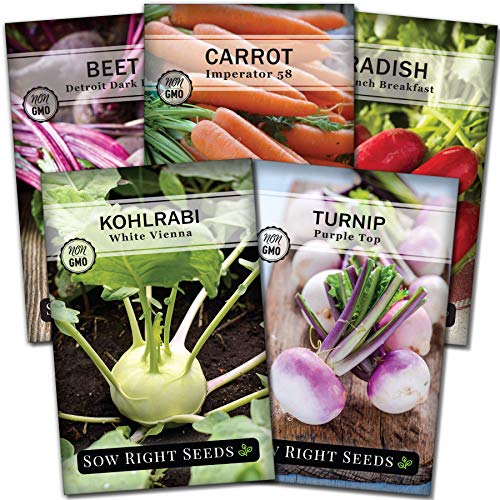
Best for the root crops that must be direct-sown, in one collection
- Five root crops that resent transplanting
- Non-GMO heirloom seeds with instructions
- Everything you sow straight into the ground
- High-germination, well-reviewed seed
Why buy it: the ideal direct-sow starter — every crop in it (carrots, beets, radishes, turnips) fails when transplanted and thrives when sown in place.

Best for beans, the classic warm-season direct-sow crop
- Pole, lima and bush bean varieties
- Sow straight into warm soil after frost
- Non-GMO heirloom
- Heavy yield from a simple sowing
Why buy it: beans are the easiest direct-sow success there is — big seeds, fast germination, and this set covers bush, pole and lima.

Best for the fastest direct-sow harvest and filling gaps
- Five radish varieties, some ready in ~25 days
- Sow direct in cool soil, spring and fall
- Non-GMO heirloom
- Great for succession sowing
Why buy it: radishes are the quickest reward in the garden — direct-sow only, ready in under a month, and perfect for filling gaps.

Best for a full season of vegetables, herbs and flowers to sow
- 45 non-GMO heirloom varieties
- Mix of direct-sow and transplant crops
- Enough to plant a whole garden
- Well-reviewed germination
Why buy it: the whole-garden kit — direct-sow the beans, roots, greens and squash straight away, and start the rest indoors.
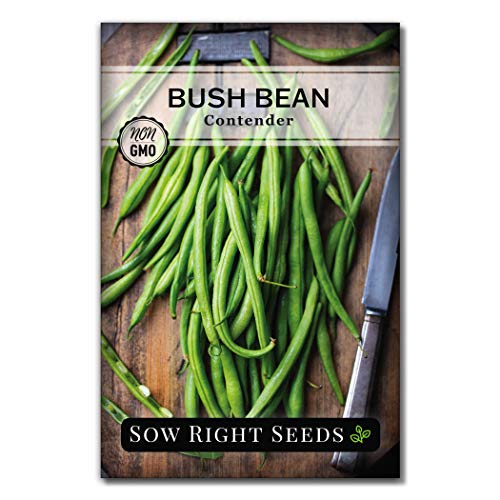
Best for the single best beginner direct-sow crop
- Stringless, productive bush bean
- Sow direct, no support needed
- Fast to harvest
- Cheap, high-germination packet
Why buy it: if you sow one thing straight into the ground, sow Contender bush beans — reliable, productive, and no trellis required.

Best for a colorful, staggered radish supply
- Six radish varieties for continuous harvest
- Non-GMO and untreated
- Direct-sow spring through fall
- Different maturity dates for succession
Why buy it: six radish types with staggered maturities — sow a row of each for weeks of continuous, colorful harvest.
Quick Comparison
| Product | Best for | Rating | Price | Buy |
|---|---|---|---|---|
| Sow Right Seeds Root Vegetable Collection (Beet, Carrot, Kohlrabi, Radish, Turnip) | Best Direct-Sow Collection | — | Check (paid link) | |
| Sow Right Seeds Bean Mix Collection (Kentucky Wonder, Henderson Lima, Contender) | Best Bean Set | — | Check (paid link) | |
| Survival Garden Seeds Radish Collection, 5-Pack (Daikon, Watermelon, Purple Plum, French Breakfast, Champion) | Best Fast Crop | — | Check (paid link) | |
| Sow Right Seeds Complete Garden Seed Collection (45 Varieties) | Best All-in-One | — | Check (paid link) | |
| Sow Right Seeds Contender Bush Green Bean | Best Single Bean | — | Check (paid link) | |
| Seed Needs Multicolor Radish Seed Packet Collection (6 Varieties) | Best Radish Variety Pack | — | Check (paid link) |
Crops to Start Indoors Instead
These need a head start to ripen in time, so start them indoors and transplant rather than direct-sowing.
| Start indoors | Why not direct-sow |
|---|---|
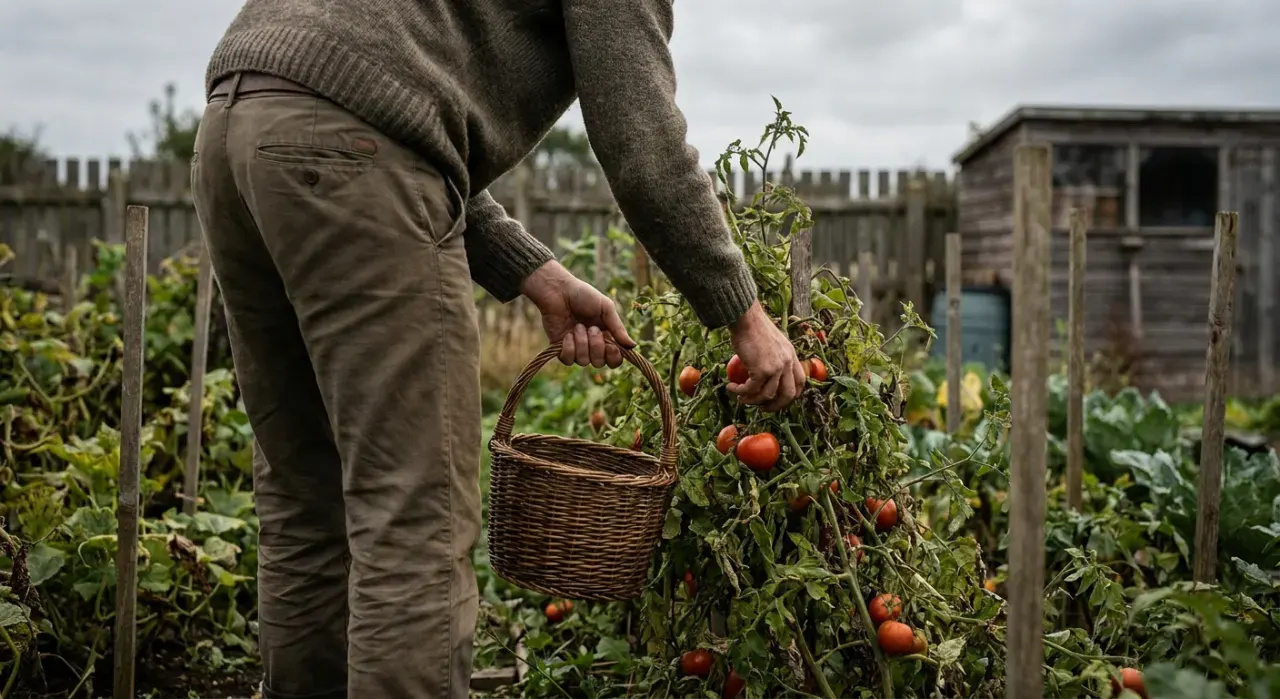
| Tomatoes, peppers, eggplant | Slow, frost-tender; need 6–8 weeks' head start to fruit in season |
| Broccoli, cauliflower, cabbage | More reliable and even as transplants |
| Onions (from seed), celery | Very slow to establish; better started early |
How We Rank
We do not grow out these seeds. For the crop recommendations, we follow established horticultural guidance on which vegetables resent transplanting and which grow fast enough to sow in place. For the seed, we read the owner-review record at volume, weighting germination reports and variety quality. Four factors carry the weight: germination rate in reviews, variety suitability for direct-sowing, value per packet, and non-GMO heirloom quality. Prices were checked at the time of writing. Full method on how we rank.
Direct-Sowing Successfully
Most direct-sowing failures come down to three fixable things. Sow at the right soil temperature — cold, wet spring soil rots warm-season seed, so wait for the ground to warm and use a thermometer. Keep the seedbed consistently moist until germination, because a bed that dries out for a single day can kill sprouting seed; a light mulch or row cover helps hold moisture. And thin ruthlessly once the seedlings are up — crowded carrots, beets and greens never size up, however good the seed. Add succession sowing (a short row of the fast crops every week or two) and you turn a single bed into a continuous harvest.
For the crops you do start indoors, see how to start seeds indoors and direct sow vs transplant; for timing by region, when to start seeds by zone.
The Verdict
The best vegetables to direct sow are the ones that resent transplanting or grow too fast to start indoors — root crops, beans, peas, cucurbits, fast greens and corn — while tomatoes, peppers and other slow fruiters get started indoors. Buy good, high-germination seed for it: the Sow Right Root Vegetable Collection for the must-direct-sow roots, a bean set for warm season, and a radish collection for fast succession. Sow by soil temperature, keep the bed moist, and thin hard. Check price on Amazon → (paid link)
Next: the full vegetable growing hub · direct sow vs transplant · best vegetables for a small raised bed · best seed starting kits · how we rank.