 Garden


Affiliate Disclosure
Some links on this page are affiliate links. As an Amazon Associate, we earn from qualifying purchases — at no extra cost to you. We do not buy, test, or physically handle the products we cover; our rankings come from aggregated owner reviews, ratings and expert consensus. Commissions never change our verdicts. How we rank · full disclosure.
Tomato seeds germinate in 5 to 10 days under warm conditions — usually 6 to 8 days at the ideal soil temperature of 70 to 80°F. In cooler soil around 60°F they can take 14 days or more, and below about 50°F they may not sprout at all. Warmth is the biggest factor, ahead of light or sowing depth. Fresh seed sown a quarter inch deep in moist, warm mix and kept at room temperature — or better, on a seedling heat mat — is what delivers the fast end of that range.
Why soil temperature decides the speed
Germination is driven by warmth and moisture, and for tomatoes it is soil temperature, not air temperature, that sets the clock. The relationship is steep: warm the mix and seeds race up in under a week, cool it and they crawl.
| Soil temperature | Germination time |
|---|---|
| 75–80°F (ideal) | 5–8 days |
| 70°F | 6–10 days |
| 60°F | 14 days or more |
| Below 50°F | Often will not germinate |
This is why a seedling heat mat under the tray is the most effective tool for fast, even tomato germination, especially in a cool early-spring room. Keep it on only until sprouts emerge — heat is needed for germination, not afterward.
Why haven't they sprouted?
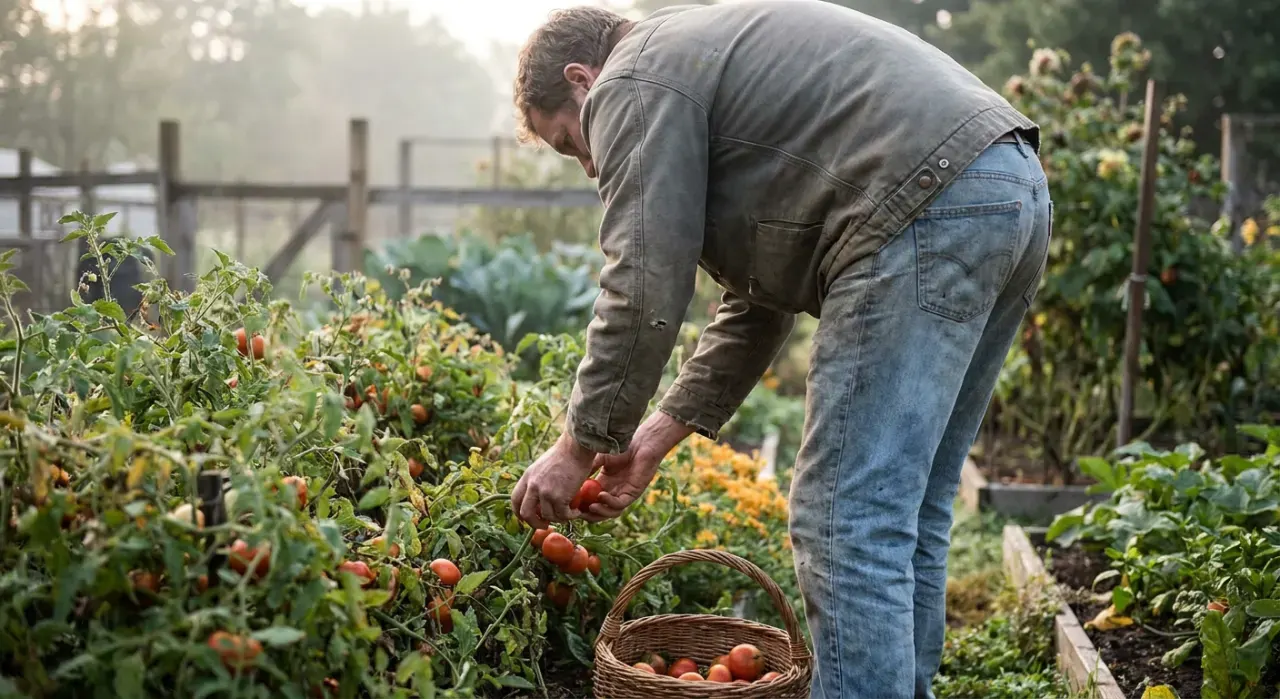
Three culprits cover almost every case. Cold soil is the first — a chilly windowsill or basement stretches germination past two weeks even when everything else is right, so add bottom heat and wait. The second is depth: seed sown deeper than about a quarter to half an inch struggles to reach the surface. The third is old seed, which germinates slowly and patchily. Keep the mix consistently moist but not waterlogged, keep it warm, and give it the full 14 days before concluding the batch has failed. Patience plus warmth solves most stalled trays.
Do they need light, and how to speed them up
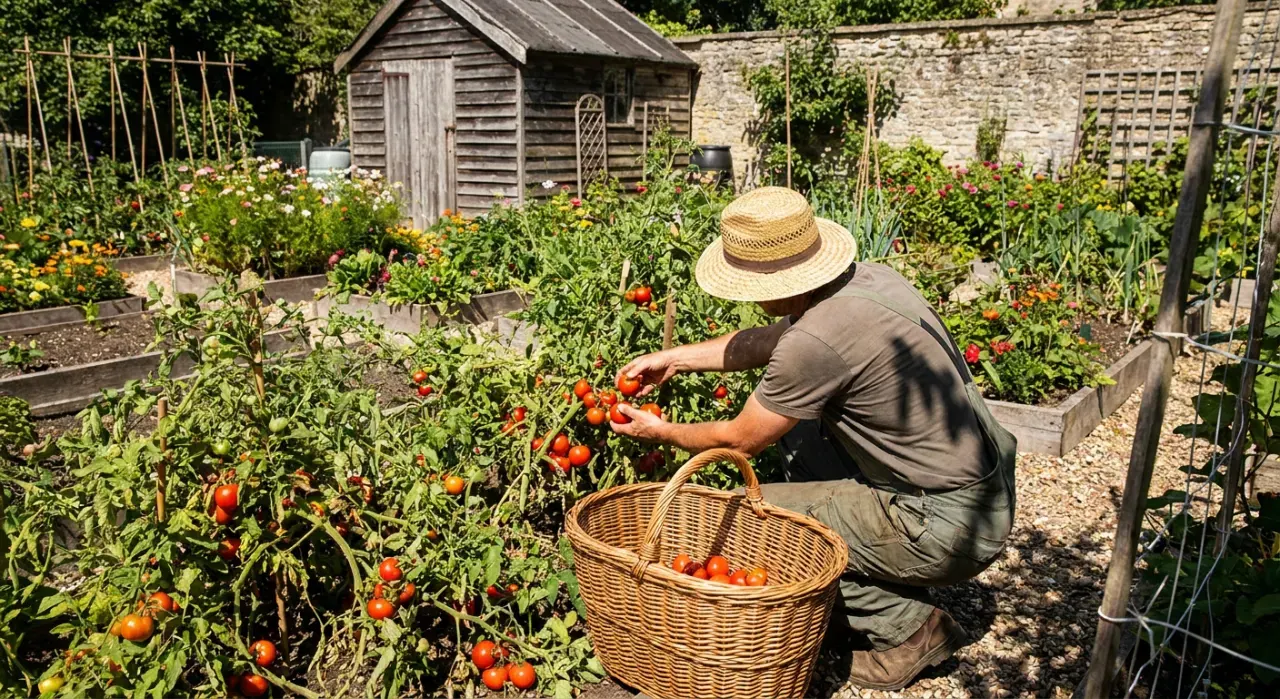
Tomato seeds do not need light to germinate and sprout happily in darkness — but light becomes essential the instant they emerge, or the seedlings stretch tall and weak within days. So the winning setup is warmth for germination, then strong light immediately after. To push toward the 5-day end, pre-moisten the mix, sow a quarter inch deep, cover the tray with a humidity dome to hold moisture, and hold it at 75 to 80°F on a heat mat; a few hours of pre-soaking softens the seed coat. The moment sprouts appear, pull the dome and mat and move the tray under bright light. Our full walkthrough is in how to start seeds indoors, and if seedlings do stretch, fixing leggy seedlings covers the recovery.
Timing the sow to your climate matters as much as speed — see when to start seeds by zone so warm-germinating tomatoes are ready at the right moment.
We do not buy, test or physically handle any product on this site. Timing reflects university extension germination data and horticultural consensus — see how we rank.
More from this hub: Seeds & Vegetable Growing · How to start seeds indoors · When to start seeds by zone · Best seed starting kits · How we rank