 Garden

Affiliate Disclosure
Some links on this page are affiliate links. As an Amazon Associate, we earn from qualifying purchases — at no extra cost to you. We do not buy, test, or physically handle the products we cover; our rankings come from aggregated owner reviews, ratings and expert consensus. Commissions never change our verdicts. How we rank · full disclosure.
Most vegetable seeds stay viable for 3 to 5 years when stored cool, dark and dry — but the range is wide by crop. Onions, leeks and parsnips last only about a year, while tomatoes, cucumbers, squash and lettuce keep 5 years or more. Storage matters as much as the crop: cool and dry conditions can double a seed's life, while heat and humidity can halve it. The printed packet date is a guide, not a hard cutoff, so a quick germination test tells you far more about old seed than the date does.
How long by crop?
Seed longevity is genetic, so it helps to know which of your packets are short-lived and which will keep. The figures below assume proper cool, dry storage; poor storage shortens all of them.
| Vegetable | Typical viability |
|---|---|
| Onion, leek, parsnip, spinach | ~1 year |
| Corn, pepper, okra | 2–3 years |
| Bean, pea, carrot, beet | 3–4 years |
| Tomato, pumpkin, squash, chard | 4–5 years |
| Cucumber, melon, lettuce, brassicas | 5–10 years |
The short-lived seeds are worth buying or saving fresh each season, and sowing a little thicker if they are older, since their germination falls off quickly whatever you do.
How do you store seeds to last?
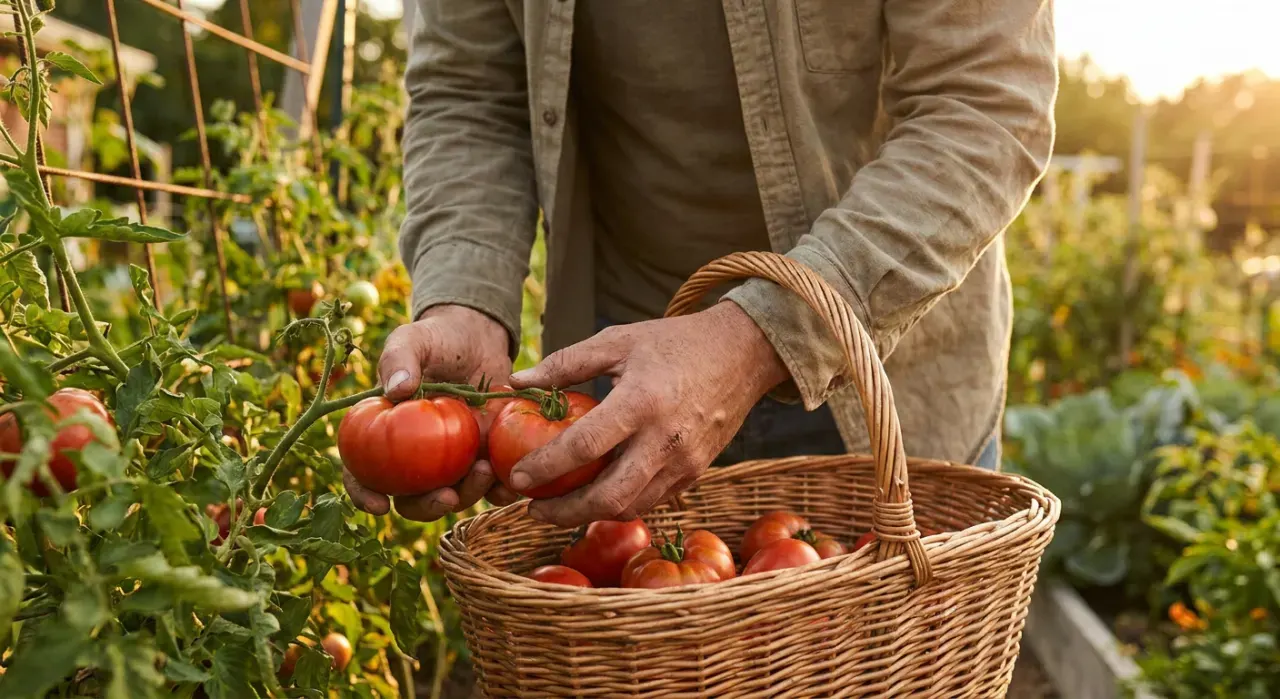
Three conditions preserve seeds: cool, dark and dry. Keep packets in an airtight jar or container with a desiccant packet to control humidity, and store it somewhere consistently cool — a refrigerator or an unheated closet — away from light and temperature swings. A useful benchmark from seed-storage guidance is to keep the sum of the storage temperature in degrees Fahrenheit plus the relative humidity percentage under 100. Moisture and heat are the real enemies; a sealed jar in the fridge can extend seed life well beyond the packet date, while a hot, humid garage shed kills it early.
How do you test old seed?
Do not guess — run a paper towel germination test. Lay 10 seeds on a damp paper towel, fold it over, seal it in a plastic bag, and keep it warm for the crop's normal germination window. Then count sprouts: 8 of 10 is roughly 80 percent germination and the seed is good; 5 of 10 is 50 percent, still usable if you sow twice as thick; below that, replace it. The test takes a week or two and saves you an empty row from failed seed. This is especially worth doing before you commit a full tray — pair it with our timing guides so you sow at the right moment, whether tomato seeds or a spring succession.
Do expired seeds still work?
Seeds have no true expiration date — the packet date is a reference, not a switch. Seeds past it often still germinate, just at a rate that declines gradually with age and storage quality. Well-kept seed can outlast its date by years; heat- and humidity-damaged seed can fail before it. So rather than trusting the number, test older seed and sow it thicker to offset reduced viability. Managing your seed stock this way pairs naturally with a plan for how you use it across the season — see our succession planting schedule — and a good seed starting kit gives fresh and saved seed the best start.
We do not buy, test or physically handle any product on this site. Viability figures reflect university extension seed-storage data and horticultural consensus — see how we rank.
More from this hub: Seeds & Vegetable Growing · Tomato seed germination time · Succession planting schedule · Best seed starting kits · How we rank