 Garden
Affiliate Disclosure
Some links on this page are affiliate links. As an Amazon Associate, we earn from qualifying purchases — at no extra cost to you. We do not buy, test, or physically handle the products we cover; our rankings come from aggregated owner reviews, ratings and expert consensus. Commissions never change our verdicts. How we rank · full disclosure.
To grow strawberries, plant bare-root crowns or plugs in early spring into full sun and rich, well-drained soil, setting each crown so the midpoint sits exactly at soil level, spaced 12 to 18 inches apart. Keep them evenly moist, pinch the first year's flowers off June-bearing types to build strong plants, and mulch with straw over winter. Done this way, a bed of June-bearers gives a heavy crop the following June and productive years two and three before it needs renewing.
Strawberries are one of the most rewarding crops for the effort because a single healthy plant can yield a quart or more of fruit a season, and they thrive in beds, rows and containers alike. Below is the full sequence from choosing a type through winter protection, with the numbers that actually matter.
Pick the right type first: June-bearing, everbearing or day-neutral
The single most important decision is made before you buy a plant, because the three types crop on completely different schedules and are managed differently.
| Type | When it fruits | Best for | Runners |
|---|---|---|---|
| June-bearing | One heavy 2 to 3 week flush in late spring/early summer | Preserving, freezing, a big single harvest | Many — used to fill a matted row |
| Everbearing | Two to three flushes: early summer and late summer/fall | Smaller gardens wanting spread-out fruit | Few |
| Day-neutral | Steadily from summer to first frost while temps stay 35 to 85°F | Containers, fresh eating all season | Very few |
Reliable June-bearing varieties include 'Honeoye', 'Jewel' and 'Allstar'; 'Ozark Beauty' and 'Quinault' are proven everbearers; and 'Seascape', 'Albion' and 'Tristar' are the day-neutral workhorses. In cold zones (3 to 5) choose hardy June-bearers like 'Honeoye'; in hot southern zones (8 to 9) day-neutrals such as 'Albion' handle the heat better.
When and where to plant
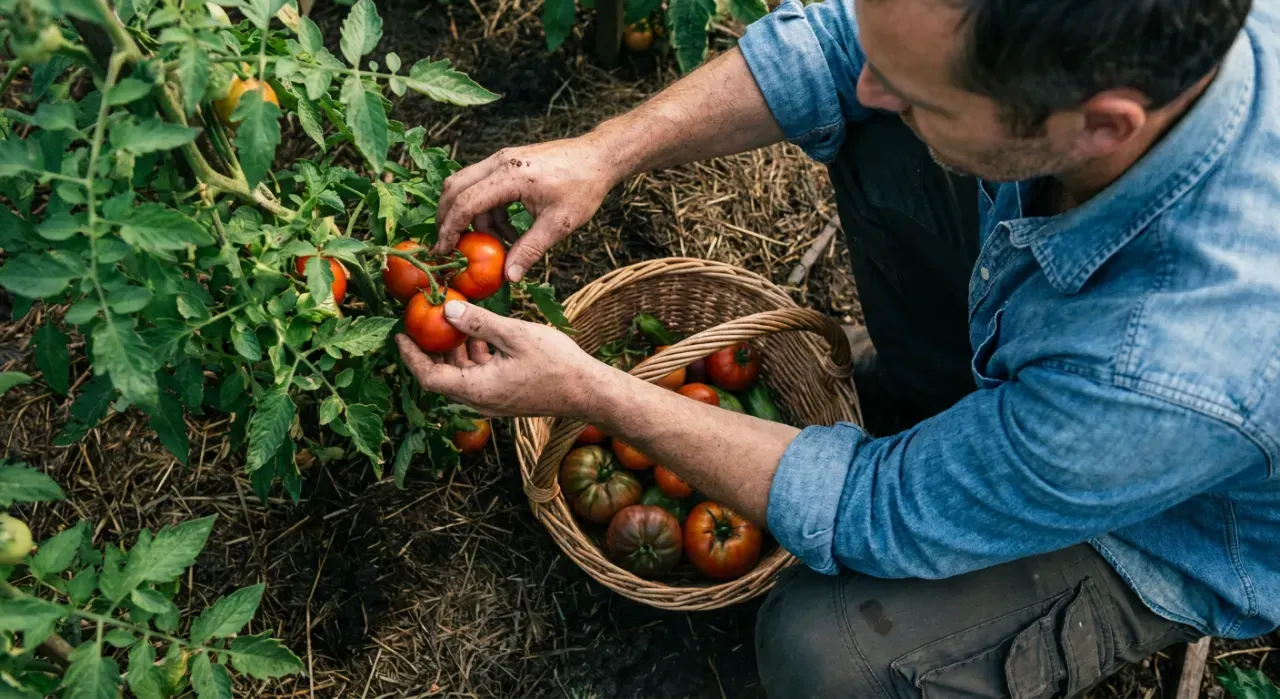
Plant bare-root crowns as soon as the soil can be worked in spring, typically 4 to 6 weeks before your last frost date, when the crowns are still dormant. Potted plugs are more forgiving and can go out through spring and into early summer. In zones 7 and warmer, fall planting (September to October) is also excellent and gives an earlier first crop.
Choose a site with at least 6 hours of direct sun, ideally 8 or more. Strawberries want slightly acidic soil, pH 5.5 to 6.8, that drains freely — they rot in soggy ground. Avoid beds where tomatoes, peppers, potatoes or eggplant have grown in the last three years, because those crops share verticillium wilt, a soil fungus that devastates strawberries.
Setting the crown at the right depth
Depth is where most first-time strawberry beds fail, and it is worth getting exactly right.
- Rehydrate bare-root crowns by soaking the roots in water for 20 to 30 minutes before planting. Do not soak longer.
- Dig a hole wide enough to spread the roots out fully, and make a small cone of soil in the center to drape them over.
- Set the crown at the midline. The crown is the thick point where roots meet leaves. Bury it too deep and the growing point rots; plant it too high and the roots dry out. The middle of the crown should sit exactly at soil level.
- Space plants 12 to 18 inches apart in rows 3 to 4 feet apart for matted rows, or 8 to 12 inches apart in raised beds where you remove most runners.
- Firm the soil and water in thoroughly to settle it around the roots.
The first-year flower rule that doubles your future crop
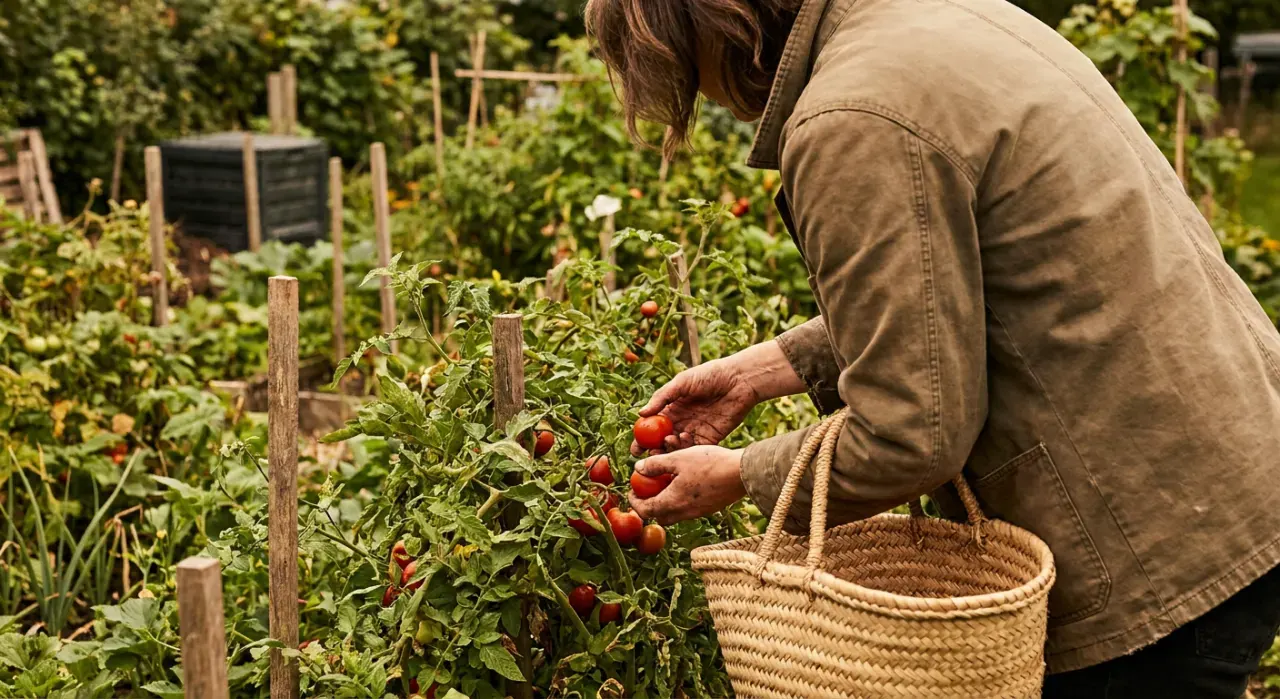
This is the step experienced growers never skip and beginners almost always resist: pinch off every flower that appears on June-bearing plants during their first spring. It feels wrong to remove the fruit you are waiting for, but a first-year plant that fruits pours its energy into a few small berries instead of building the roots, crown and runners that carry a heavy crop the following year. Deflowering the first year is the difference between a struggling bed and a productive one.
For everbearing and day-neutral types, pinch flowers only until about the end of June, then allow a light late-summer crop. From year two onward, let all types fruit freely.
Watering and feeding for size and sweetness
Strawberries have shallow roots and need consistent moisture — about 1 to 1.5 inches of water per week, and up to 2 inches while berries are swelling. Water at the base rather than overhead to keep foliage dry and reduce fruit rot; drip or soaker lines are ideal. Our detailed schedule is in how often to water strawberries.
Feed lightly. At planting, work in compost or a balanced fertilizer. For established June-bearers, the classic timing is a feed right after the harvest ends (renovation) rather than before, because spring nitrogen produces soft berries and lush leaves that hide fruit and invite rot. Day-neutrals, which fruit all season, take a light feed every 4 to 6 weeks. A potassium-leaning feed supports fruiting over foliage; owners consistently favor products formulated for berries, and the consensus field is in our best fertilizer for strawberries guide, ranked by the method in how we rank.
Mulching, runners and keeping fruit clean
The name is a clue: straw mulch tucked under the plants keeps ripening berries off the soil, conserves moisture, suppresses weeds and reduces the gray mold (Botrytis) that ruins fruit in wet weather. Apply 2 to 3 inches of clean straw once plants are established.
- June-bearing, matted row: allow runners to root and fill the row to about one plant per 4 to 6 inches, then pinch the rest.
- Everbearing and day-neutral: remove nearly all runners so the plant channels energy into fruit.
- Containers and baskets: remove all runners unless you want to propagate new plants.
Common problems and how to head them off
| Problem | Sign | Fix |
|---|---|---|
| Gray mold (Botrytis) | Fuzzy gray fruit rot in humid weather | Straw mulch, air flow, pick ripe berries promptly, water at the base |
| Birds | Pecked, half-eaten berries | Lightweight netting over the bed as fruit colors |
| Slugs | Ragged holes chewed into fruit | Iron-phosphate bait, remove debris, keep mulch dry |
| Verticillium wilt | Outer leaves wilt and brown, plant collapses | Never plant after tomatoes/potatoes; buy certified disease-free stock |
| Small, seedy berries | Poor pollination or old plants | Encourage pollinators; renew the bed every 3 years |
Overwintering by USDA zone
Strawberries are hardy to zone 3, but the crowns are damaged by repeated freeze-thaw cycles and by winter desiccation, so a protective mulch matters most in colder zones.
- Zones 3 to 5: after the plants go dormant and temperatures drop to the mid-20s°F, cover the whole bed with 3 to 5 inches of straw. Pull it back in early spring once growth resumes.
- Zones 6 to 7: a lighter 2 to 3 inch straw layer is enough to buffer freeze-thaw.
- Zones 8 to 9: plants often stay semi-evergreen; little winter protection is needed, and fall planting is preferred.
Container strawberries are far less hardy because roots freeze in exposed pots — move them into an unheated garage or shed for winter, or sink the pots in the ground.
Growing strawberries in pots and beds
Day-neutral and everbearing types are the best container choices because they fruit steadily and make few runners. Use a pot at least 8 inches deep, a quality potting mix, and expect to water daily in summer heat since containers dry fast. For strawberry towers and dedicated planters, the ranked options are in best strawberry planter. If you are growing in the ground and building a bed from scratch, our companion guidance in how to care for strawberries covers season-long maintenance, and how to grow strawberries in pots covers the container specifics in depth.
For everything else in this hub — from soil prep to succession planting — start at the seeds and vegetable growing hub.