 Garden

Affiliate Disclosure
Some links on this page are affiliate links. As an Amazon Associate, we earn from qualifying purchases — at no extra cost to you. We do not buy, test, or physically handle the products we cover; our rankings come from aggregated owner reviews, ratings and expert consensus. Commissions never change our verdicts. How we rank · full disclosure.
What you plant in January depends on your USDA zone: gardeners in cold zones 3 to 5 start onions, leeks, and celery indoors under lights, those in temperate zones 6 to 7 begin onions and early brassicas indoors, and gardeners in warm zones 8 to 11 direct-sow peas, spinach, lettuce, carrots, and fava beans outdoors — with zones 10 and 11 transplanting tomatoes and beans. January is the quietest planting month of the year in most of the country, but it is also the month that decides whether your spring runs on time. Below is exactly what to sow, transplant, or prepare in each climate band.
We do not test or physically handle the plants and products we cover; our guidance draws on horticultural extension research and the aggregated experience in thousands of owner reviews, as explained in how we rank.
January sits at the bottom of the year, with the shortest daylight behind you and the sun beginning its slow climb again. For the northern two-thirds of the country the ground is frozen and outdoor sowing is impossible, so the month's real gardening happens on a light shelf and at the planning table. That does not make it optional: the crops with the longest road to harvest — onions, leeks, celery, and, in the far south, the whole cool-season garden — are decided now, and a missed January window cannot be made up later in the year. The guiding principle everywhere is to count backward from your average last spring frost, giving each crop the exact number of weeks it needs indoors before it can go out. The colder your zone, the more January is about preparation and the earliest indoor sowings; the warmer your zone, the more it becomes an active outdoor planting month. Below, each climate band gets its own plan, from the frozen north where you start seeds under lights to the frost-free south where January is one of the best growing months of the entire year.
January planting at a glance by zone
Use this table to find your band, then read the matching section for crop-by-crop detail. Frost dates vary within every zone, so confirm your own average last-frost date before you set an indoor sowing schedule.
| USDA zone | Typical last frost | January action |
|---|---|---|
| 3 to 5 (cold) | Mid-May to early June | Start onions, leeks, celery indoors late January |
| 6 to 7 (temperate) | Mid-April to early May | Start onions and early brassicas indoors; plan |
| 8 to 9 (warm) | Late February to March | Direct-sow peas, spinach, greens, roots outdoors |
| 10 to 11 (frost-free) | None | Transplant tomatoes, peppers; sow beans, squash |
Cold regions (zones 3-5): start the long-season crops indoors
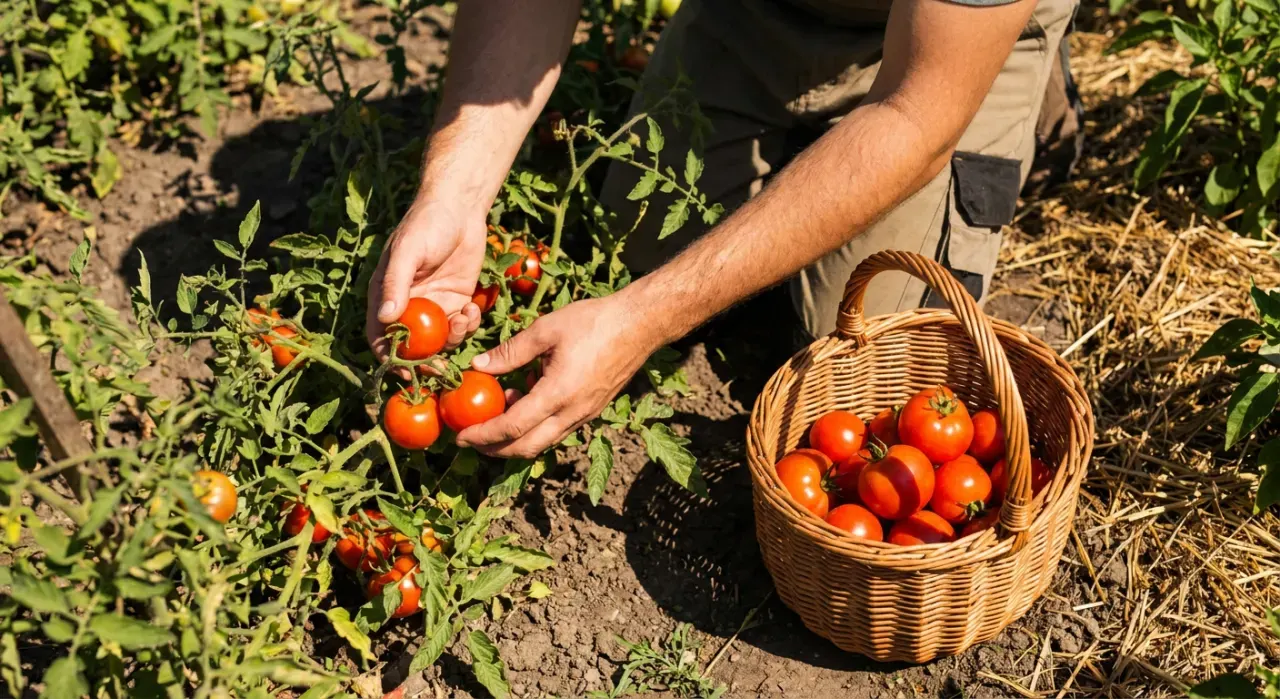
Outdoors, the ground is frozen and nothing can be sown. Indoors under grow lights, however, January is the launch date for the crops that take the longest to reach transplant size. The rule is simple: count backward from your last frost using the crop's weeks-to-transplant, and the crops that need the most lead time go in first.
| Crop | Weeks before last frost | Notes |
|---|---|---|
| Onions (from seed) | 10 to 12 | Trim tops to 3 in. to build stronger transplants |
| Leeks | 10 to 12 | Same timing and care as onions |
| Celery and celeriac | 10 to 12 | Slow, cool germinators; keep evenly moist |
| Globe artichoke | 8 to 10 | Needs a cold spell later to trigger buds |
Sow onion and leek seed about a quarter inch deep in flats of moist seed-starting mix, keep the surface at 70°F to germinate, then grow on cool and bright once up. Everything else — tomatoes, peppers, brassicas — is still weeks away in the north, so resist the temptation to start them now; leggy, root-bound seedlings that outgrow their pots before it is safe to plant out are the classic January mistake.
Temperate regions (zones 6-7): the first indoor sowings
Zone 6 and 7 gardeners have last frosts in mid-April to early May, so late January is the moment to start onions, leeks, and celery indoors, exactly as in the north but a couple of weeks later on the calendar. This is also when the earliest brassicas can go under lights.
- Onions and leeks — sow indoors now for April transplanting; long-day varieties suit these latitudes.
- Early cabbage and broccoli — a late-January indoor sowing gives stocky transplants for a March cold-frame or row-cover setting-out in zone 7.
- Perennials from seed — asparagus and rhubarb started now will be ready to plant out in spring.
Outdoors, zone 7 gardeners with a cold frame or low tunnel can sometimes direct-sow spinach or a first row of peas at the very end of the month in a mild winter, but for most this is still a planning month. Order seed, prep beds during any thaw, and confirm your grow-light setup is running.
Warm regions (zones 8-9): direct-sow the cool-season garden
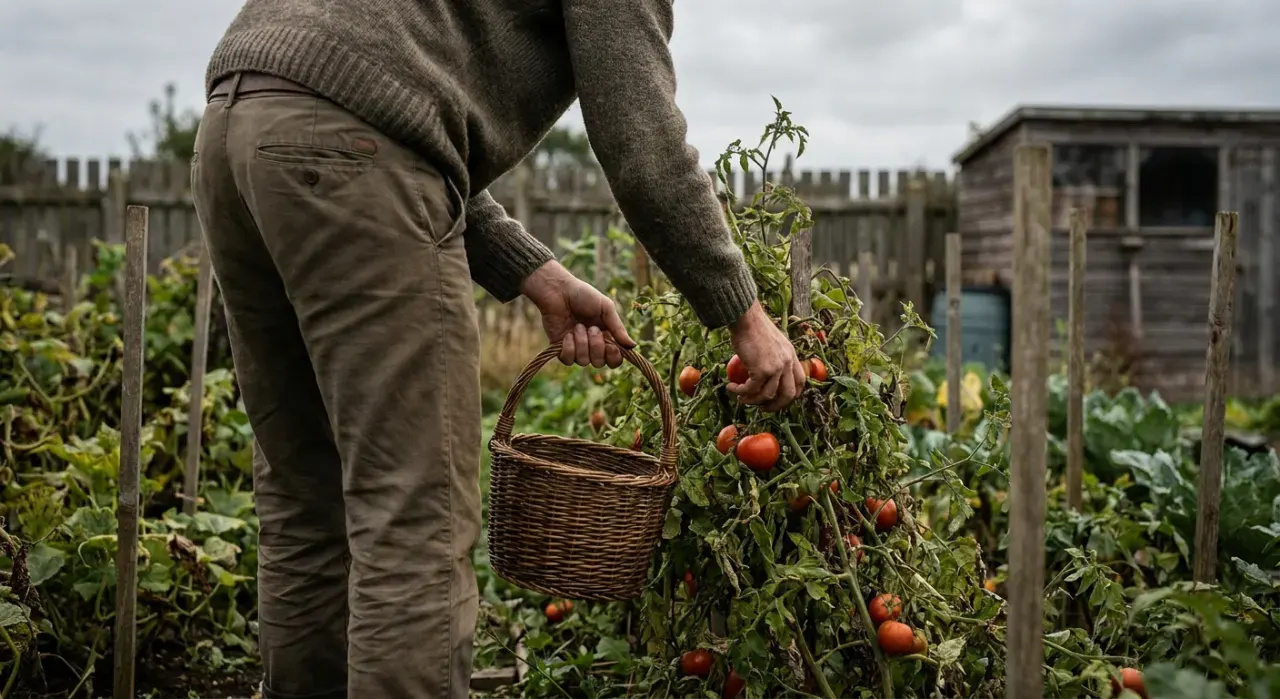
This is where January becomes a real planting month. With last frosts in late February or March and cool but frost-light weather, the cool-season vegetables that bolt in summer heat grow beautifully now. Sow directly into prepared beds.
| Crop | Sow method | Days to maturity |
|---|---|---|
| English and snap peas | Direct, 1 in. deep | 55 to 70 |
| Spinach | Direct, ½ in. deep | 40 to 50 |
| Leaf lettuce and arugula | Direct, ¼ in. deep | 30 to 50 |
| Carrots and beets | Direct, ½ in. deep | 55 to 75 |
| Radishes and turnips | Direct, ½ in. deep | 25 to 50 |
| Fava beans | Direct, 1½ in. deep | 75 to 90 |
Transplant onion sets and started cabbage, kale, broccoli, and collard plants now as well. Fava beans deserve a special mention in the warm South: they are cold-tolerant, fix nitrogen, and a January sowing crops in spring before the heat arrives. Keep an eye on the forecast for the occasional hard frost and cover tender transplants with cloth if a freeze threatens.
Frost-free regions (zones 10-11): peak growing season
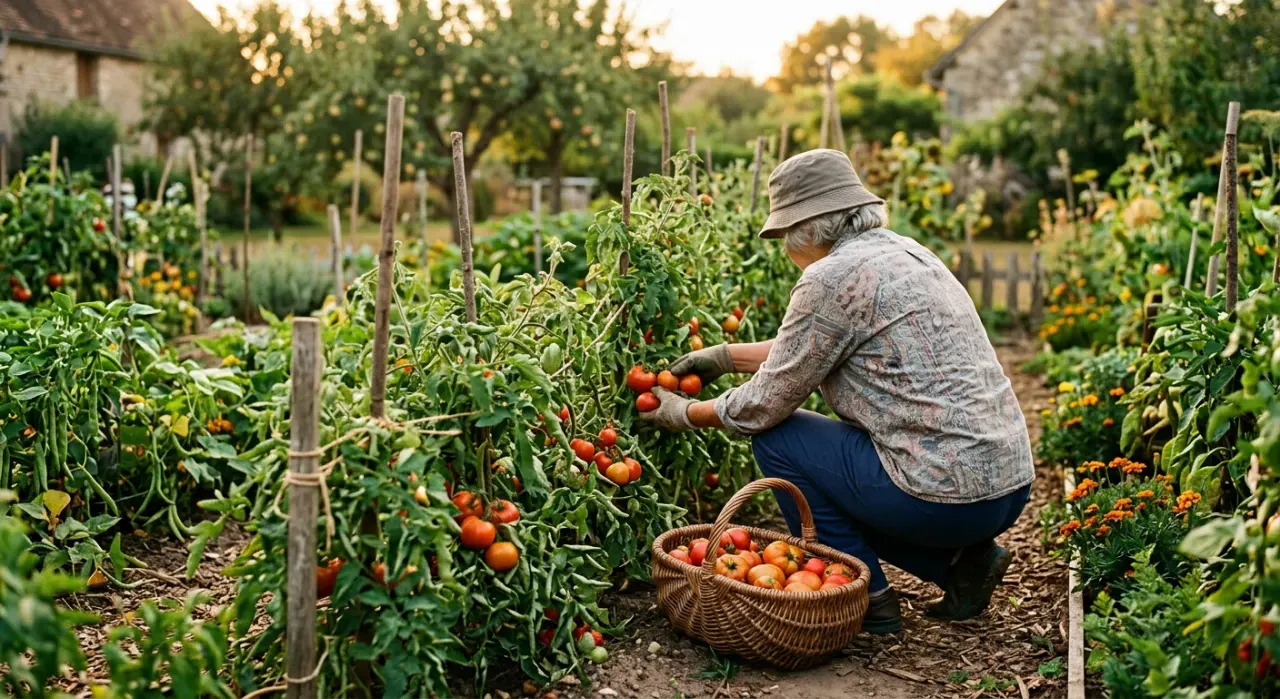
In south Florida, the southern tip of Texas, coastal southern California, and Hawaii, January is one of the best growing months of the year. Summer is too hot and humid for most vegetables here, so the winter is the productive season. Transplant tomatoes, peppers, and eggplant; direct-sow bush and pole beans, cucumbers, summer and winter squash, and sweet corn; and keep the cool-season greens, roots, and legumes going alongside them. Essentially the entire warm-season and cool-season catalog can go in now, because the frost that limits gardeners everywhere else simply does not arrive.
Getting the indoor seed-starting station right
Because January planting in most of the country happens indoors, the quality of your setup matters more than the calendar. Onion and celery seedlings that stretch and flop under weak light never fully recover. A few essentials keep January-started seedlings compact and healthy.
- Strong light within 2 to 3 inches — full-spectrum LED or fluorescent shop lights kept close prevent the stretching that ruins early sowings.
- Bottom warmth to germinate, cool to grow — 70°F germinates onions fast, but grow them on at 55 to 65°F for stocky plants.
- Even moisture, never soggy — a fresh, sterile seed-starting mix drains well and avoids damping-off; owners consistently rate the options in best seed-starting mix.
- Air movement — a small fan on low for a few hours a day strengthens stems and cuts fungal problems.
Planning tasks that pay off all season
Even where you cannot plant a thing, January is working time. Order seed now — popular tomato and pepper varieties sell out by late winter. Map your beds and lock in crop rotation so brassicas do not follow brassicas and heavy feeders rotate onto ground that held legumes. Sketch a succession plan for quick crops like lettuce and radishes. Test old seed for germination by sprouting ten between damp paper towels. Clean and sharpen tools, and check that fall-planted garlic still has its winter mulch in place. An organized January is the difference between a scrambled spring and a calm, productive one.
Choosing the right onions for your latitude
January is the month onions go under lights in most of the country, and the single most important onion decision is made now, before a seed is sown: matching the variety to your latitude. Onions bulb in response to day length, and planting the wrong type is the most common reason a promising crop never forms decent bulbs. There are three groups.
| Onion type | Bulbs when day length reaches | Best for |
|---|---|---|
| Long-day | 14 to 16 hours | Northern zones 3 to 6 |
| Intermediate (day-neutral) | 12 to 14 hours | Central latitudes; adaptable nationwide |
| Short-day | 10 to 12 hours | Southern zones 7 to 11 |
A long-day onion grown in the South never gets the long summer days it needs and stays small; a short-day onion in the North bulbs too early, before the plant has built enough leaves for a large bulb. Roughly north of a line through the middle of the country, choose long-day varieties; well to the south, choose short-day; and if you are unsure, intermediate types perform reliably across a wide band. Start whichever suits you from seed now, keep the seedlings trimmed to about 3 inches to build sturdy plants, and grow them cool and bright until transplant time.
The same January seed order deserves thought beyond onions. Read days-to-maturity carefully against your season length, favor disease-resistant varieties for crops that struggle in your area, and note whether a tomato is determinate (a concentrated harvest, good for short seasons and canning) or indeterminate (a long, steady harvest). Ordering early secures the varieties you actually want before popular ones sell out, which is the quiet advantage of doing this work in the year's slowest month.
Related: look ahead to what to plant in February, review the full winter planting guide, browse the Seeds & Vegetable Growing hub, or read how we rank.