 Garden

Affiliate Disclosure
Some links on this page are affiliate links. As an Amazon Associate, we earn from qualifying purchases — at no extra cost to you. We do not buy, test, or physically handle the products we cover; our rankings come from aggregated owner reviews, ratings and expert consensus. Commissions never change our verdicts. How we rank · full disclosure.
What to plant in February depends on your zone: cold-climate gardeners in zones 3 to 5 start peppers, onions, and early brassicas indoors under lights, temperate zones 6 to 7 add tomatoes late in the month and direct-sow peas where soil is workable, and warm zones 8 to 11 direct-sow peas, potatoes, carrots, and greens outdoors while transplanting brassicas. February is when the growing year genuinely begins — the first heat-loving crops go under lights in the north, and the outdoor cool-season garden opens across the South. Here is the crop-by-crop plan for each climate band.
We do not test or physically handle the plants and products we cover; our guidance draws on horticultural extension research and the aggregated experience in thousands of owner reviews, as explained in how we rank.
February is the month the growing year quietly starts to move. Days are noticeably longer than in January, and although hard winter still grips the north, the light shelf comes alive with the first heat-loving crops. Peppers and eggplant, the slowest of the warm-season vegetables to germinate and grow, go in now so they have the eight to ten weeks they need before the last frost. Across the South, February is a genuine outdoor planting month, with cool-season crops thriving and seed potatoes going into the ground ahead of the frost. The contrast between zones is at its sharpest this month: while a Minnesota gardener is fussing over seed trays under lights, a Georgia gardener is direct-sowing peas and lifting the first spring radishes. What ties them together is the same discipline — reading the calendar against the last frost date and the soil thermometer rather than the weather of a single warm afternoon. Get February right and the spring garden runs on time; rush it, and you end up with leggy transplants or seed rotting in cold ground. Below, each climate band gets a clear, crop-by-crop plan.
February planting at a glance by zone
Find your band below, then read the matching section. Because February straddles the point where northern gardens are still frozen and southern gardens are actively planting, the difference between zones is at its widest this month.
| USDA zone | Typical last frost | February action |
|---|---|---|
| 3 to 5 (cold) | Mid-May to early June | Start peppers, onions, early brassicas indoors |
| 6 to 7 (temperate) | Mid-April to early May | Start tomatoes late month indoors; sow peas outdoors |
| 8 to 9 (warm) | Late February to March | Direct-sow peas, potatoes, roots, greens outdoors |
| 10 to 11 (frost-free) | None | Transplant tomatoes, peppers; sow beans, squash |
Cold regions (zones 3-5): peak indoor seed starting
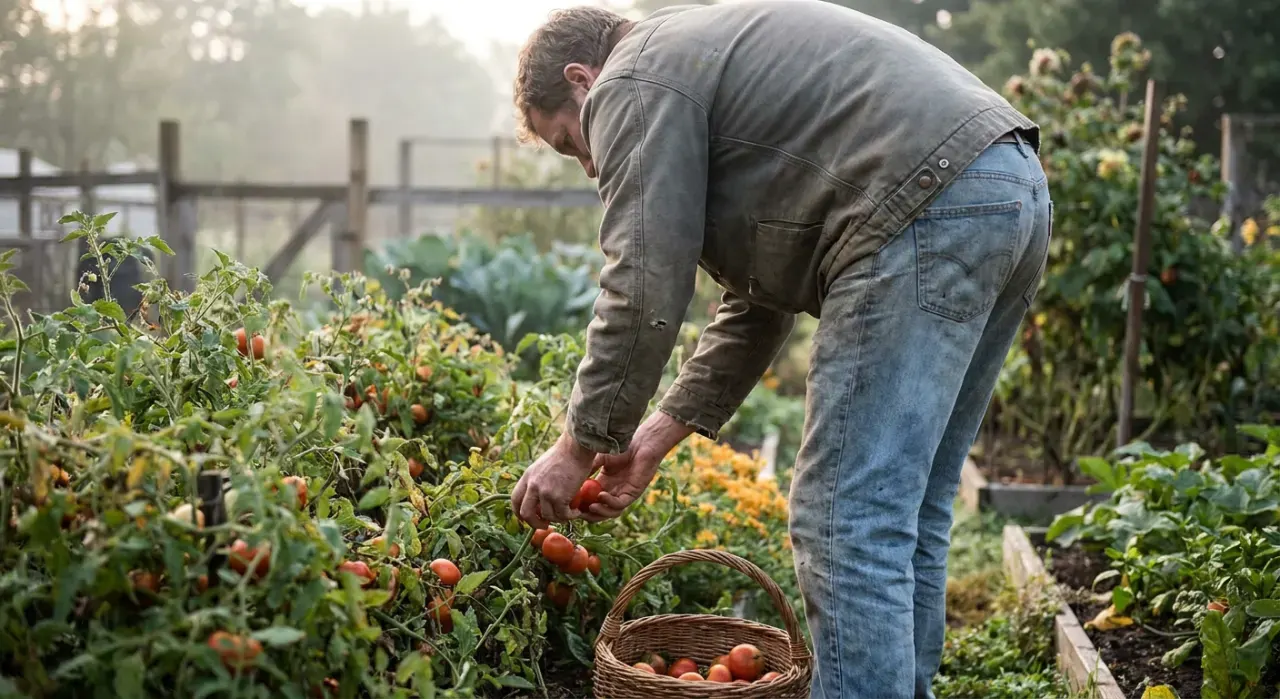
With last frosts still three to four months away, February in the north is all about the indoor light shelf. This is the month for the slow crops that need a long head start. Sow in this order, warmest germinators first.
| Crop | Weeks before last frost | Germination notes |
|---|---|---|
| Peppers and eggplant | 8 to 10 | Need 80 to 85°F; use a heat mat |
| Onions and leeks | 10 to 12 | Trim tops for stronger transplants |
| Celery and celeriac | 10 to 12 | Slow; keep surface moist and cool to grow on |
| Early cabbage and broccoli | 6 to 8 | Grow on cool once germinated |
Peppers and eggplant are the headline February sowings in cold zones because they are the slowest of the warm-season crops. Hold tomatoes until March — six to eight weeks before your last frost — so they do not become leggy indoors. If you missed onions in January, sow them now; they can tolerate a slightly shorter head start.
Temperate regions (zones 6-7): indoors heats up, outdoors cracks open
Zone 6 and 7 gardeners work on two fronts in February. Indoors, start peppers and eggplant early in the month and tomatoes toward the end, along with onions, leeks, celery, and brassicas. Outdoors, the first direct sowings become possible in a mild year.
- Peas — in zone 7, direct-sow English and snap peas late February once soil is workable and not soggy; they germinate slowly in cold soil but tolerate light frost.
- Spinach — a hardy direct sowing that handles zone 7 February weather; overwintered spinach also wakes up now.
- Onion sets — can go in late in the month in zone 7 as soon as the ground can be worked.
- Indoor tomatoes and peppers — the main event for zone 6, where outdoor sowing waits for March.
The test for direct sowing is the soil, not the date: if a squeezed handful crumbles rather than forming a muddy ball, it is ready. Sowing into cold, waterlogged ground rots seed and does more harm than waiting a week.
Warm regions (zones 8-9): the outdoor cool-season garden
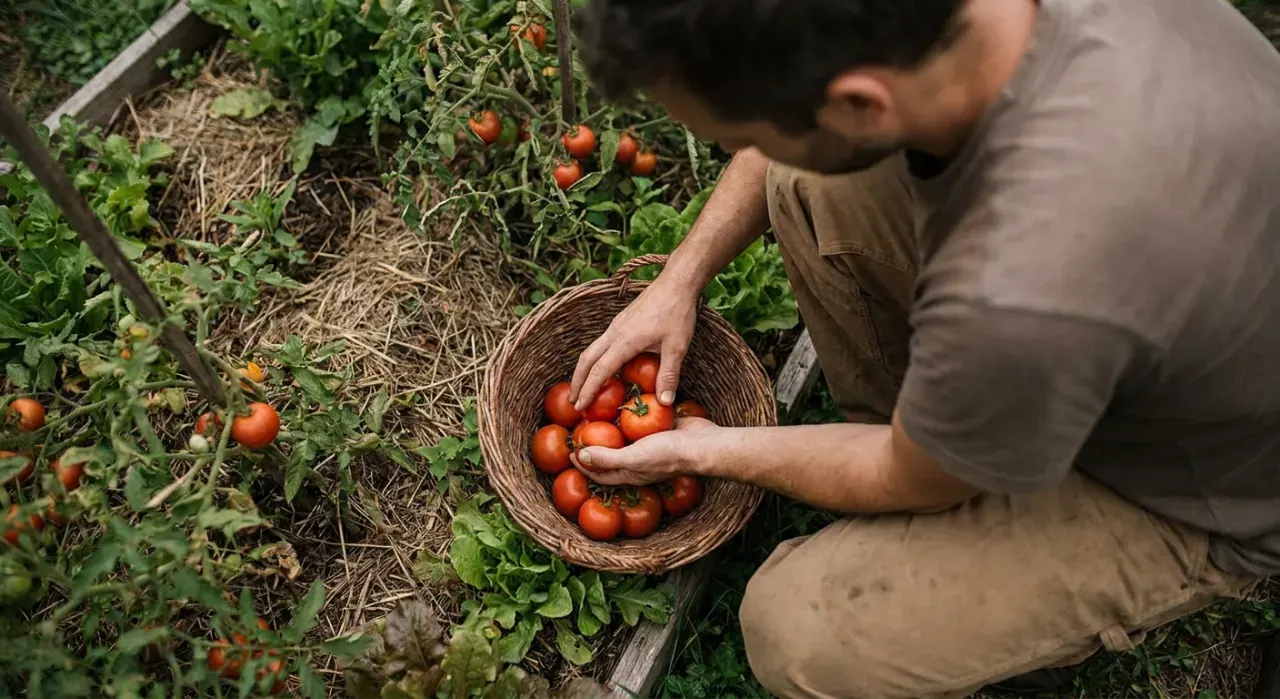
February is a full planting month in the warm South. Cool-season crops are at their best, and seed potatoes go in ahead of the last frost. Sow directly and transplant hardy starts.
| Crop | Sow method | Days to maturity |
|---|---|---|
| Seed potatoes | Plant pieces 4 in. deep | 90 to 110 |
| English and snap peas | Direct, 1 in. deep | 55 to 70 |
| Carrots and beets | Direct, ½ in. deep | 55 to 75 |
| Lettuce and spinach | Direct, ¼ to ½ in. deep | 30 to 50 |
| Radishes and turnips | Direct, ½ in. deep | 25 to 50 |
| Cabbage, broccoli, kale (transplants) | Set out started plants | 55 to 75 |
Plant certified seed potatoes cut into pieces with one or two eyes each, cut-side down, and hill soil over the shoots as they grow. Start tomatoes and peppers indoors now for transplanting after your last frost in March. Watch the forecast: a late hard freeze can still hit, so keep row cover ready for tender transplants.
Frost-free regions (zones 10-11): the productive winter continues
In south Florida, deep south Texas, coastal southern California, and Hawaii, February is peak season. Transplant tomatoes, peppers, and eggplant so they fruit before the punishing summer; direct-sow bush and pole beans, cucumbers, squash, and sweet corn; and keep cool-season greens, roots, and peas producing. The goal in these regions is to get warm-season crops harvesting before the heat and humidity of summer shut them down, which makes February plantings some of the most important of the year.
Looking ahead: hardening off and timing transplants
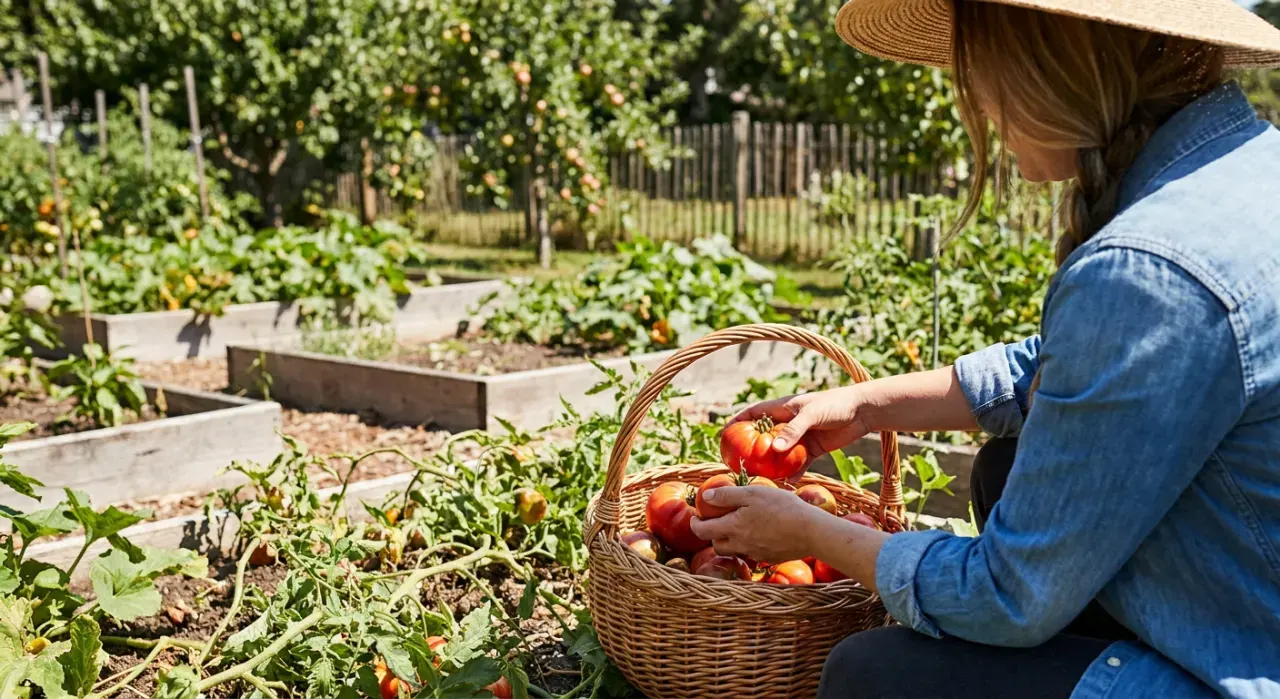
The seedlings you start in February will need a careful transition to outdoor life in spring. Plan for it now so you are not caught out. Indoor-grown transplants have soft tissue and must be acclimated gradually — a process called hardening off — over 7 to 10 days before they go into the garden, or they scald and stall.
- Track your dates — label every flat with the sowing date and target transplant week so nothing outgrows its window.
- Pot up on schedule — peppers and tomatoes started now will need a larger pot before they go out; a good seed-starting mix keeps roots healthy through the move.
- Plan the hardening-off window — for the full method, see hardening off seedlings.
Common February planting mistakes
| Mistake | Result | Fix |
|---|---|---|
| Starting tomatoes too early in the north | Leggy, root-bound transplants | Sow 6 to 8 weeks before last frost; peppers earlier |
| Sowing into cold, wet soil | Seed rots before germinating | Wait until a squeezed handful crumbles |
| Weak light on seedlings | Stretched, floppy plants | Keep lights 2 to 3 in. above the tops |
| No frost cover ready in the South | A late freeze kills transplants | Keep row cover on hand through last frost |
Caring for February-sown seedlings
The peppers, tomatoes, onions, and brassicas started this month spend six to twelve weeks indoors before they can go out, and how you tend them now decides whether they transplant into strong, productive plants or weak, leggy ones. Germination is only the first step; the weeks that follow matter just as much.
- Move to light the moment seedlings emerge — the instant the first loops break the surface, get them under bright light within 2 to 3 inches of the leaves. A day too long in dim warmth produces stretched, floppy stems that never fully straighten.
- Drop the temperature after germination — seeds germinate warm, but seedlings grow stockier at 60 to 65°F than in hot air. Cooler growing conditions build compact plants.
- Water from below and let the surface dry — bottom-watering draws roots downward and keeps the crown dry, which prevents the fungal collapse known as damping-off that wipes out whole trays overnight.
- Pot up before roots circle — peppers and tomatoes started early February will fill their cells before they can go outside. Shift them to a larger pot so growth never stalls; tomatoes can be buried deeper at each move to build more root.
- Feed lightly once true leaves appear — a half-strength balanced feed every week or two keeps color and growth steady once the seed's own reserves run out.
A small fan running a few hours a day strengthens stems and cuts fungal problems, mimicking the wind that outdoor plants feel. Label every flat with its sowing date so nothing outgrows its window unnoticed, and start thinking now about the hardening-off period each of these seedlings will need before it can face open sky and wind.
Related: look back at what to plant in January, ahead to what to plant in March, review the full winter planting guide, or read how we rank.