 Garden
Affiliate Disclosure
Some links on this page are affiliate links. As an Amazon Associate, we earn from qualifying purchases — at no extra cost to you. We do not buy, test, or physically handle the products we cover; our rankings come from aggregated owner reviews, ratings and expert consensus. Commissions never change our verdicts. How we rank · full disclosure.
What to plant in March depends on your zone: cold-region gardeners in zones 3 to 5 start tomatoes, peppers, and brassicas indoors, temperate zones 6 to 7 direct-sow peas, spinach, lettuce, and carrots and plant potatoes, and warm zones 8 to 11 transplant tomatoes and begin sowing beans and squash as the frost date passes. March is the pivot month of the gardening year — the point where the outdoor season opens across most of the country and the indoor light shelf is at its busiest in the north. Here is the crop-by-crop plan for each climate band.
We do not test or physically handle the plants and products we cover; our guidance draws on horticultural extension research and the aggregated experience in thousands of owner reviews, as explained in how we rank.
March is the great pivot of the gardening year. For most of the country it is the month the outdoor season finally cracks open — soil thaws, drains, and warms into the range where the first hardy seeds will germinate, and the earliest direct sowings of peas, spinach, and radishes go in. At the same time the indoor light shelf hits its busiest stretch, with tomatoes joining the peppers and brassicas already growing. The defining feature of March is how fast conditions change: a bed too cold and wet to work in the first week can be ready by the last, and a warm spell can tempt you to plant tender crops weeks before it is safe. That is why soil temperature, not the calendar, governs success this month. Cool-season seeds germinate in soil as cool as 40°F, while warm-season crops need 60°F or more and simply rot in cold ground. Warm and frost-free southern zones are already handing off from the cool season to the warm, planting tomatoes outdoors and eyeing the summer heat. Below, each climate band gets its own crop-by-crop plan.
March planting at a glance by zone
Find your band, then read the matching section. Soil temperature matters as much as the date in March — cool-season seeds germinate at 40°F, but warm-season crops need 60°F or more, so use the frost dates below as a guide and check your own soil before sowing.
| USDA zone | Typical last frost | March action |
|---|---|---|
| 3 to 5 (cold) | Mid-May to early June | Start tomatoes, peppers, brassicas indoors |
| 6 to 7 (temperate) | Mid-April to early May | Direct-sow peas, greens, roots; plant potatoes |
| 8 to 9 (warm) | Late February to March | Transplant tomatoes; sow beans, squash late month |
| 10 to 11 (frost-free) | None | Shift to heat-tolerant crops; last cool-season sowings |
Cold regions (zones 3-5): the indoor shelf at full tilt
March is the busiest indoor sowing month in the north. Tomatoes take center stage now, joined by the brassicas and the last of the slow warm-season crops if you have not started them. Sow six to eight weeks before your last frost.
| Crop | Weeks before last frost | Notes |
|---|---|---|
| Tomatoes | 6 to 8 | Germinate at 70 to 80°F; grow on bright and cool |
| Cabbage, broccoli, cauliflower | 5 to 7 | Cold-tolerant transplants for early setting-out |
| Lettuce (for transplants) | 4 to 6 | Fast; can also direct-sow later |
| Peppers and eggplant (if not sown) | 8 to 10 | Last call; earlier is better for these |
Outdoors, watch for the ground to thaw and drain. In a mild year, the hardiest crops — peas, spinach, and radishes — can be direct-sown into raised beds late in the month, since raised beds warm and drain first. A cold frame or low tunnel buys you an extra couple of weeks. Do not rush warm-season crops outdoors; frost is still weeks away.
Temperate regions (zones 6-7): the outdoor season opens
This is where March delivers the real payoff. Soil is workable, and the cool-season garden goes in outdoors while warm-season crops continue under lights.
| Crop | Sow method | Days to maturity |
|---|---|---|
| Peas (English, snap, snow) | Direct, 1 in. deep | 55 to 70 |
| Spinach and arugula | Direct, ½ in. deep | 30 to 50 |
| Radishes | Direct, ½ in. deep | 25 to 30 |
| Carrots and beets | Direct, ½ in. deep | 55 to 75 |
| Leaf lettuce | Direct, ¼ in. deep | 30 to 45 |
| Seed potatoes | Plant pieces 4 in. deep, late March | 90 to 110 |
Peas are the signature March sowing — get them in early so they mature before summer heat. Plant seed potatoes late in the month, two to four weeks before your last frost. Transplant cabbage, broccoli, and onion starts under row cover for extra protection. Keep tomatoes and peppers growing indoors; they are still weeks from going out.
Warm regions (zones 8-9): the shift to warm-season crops
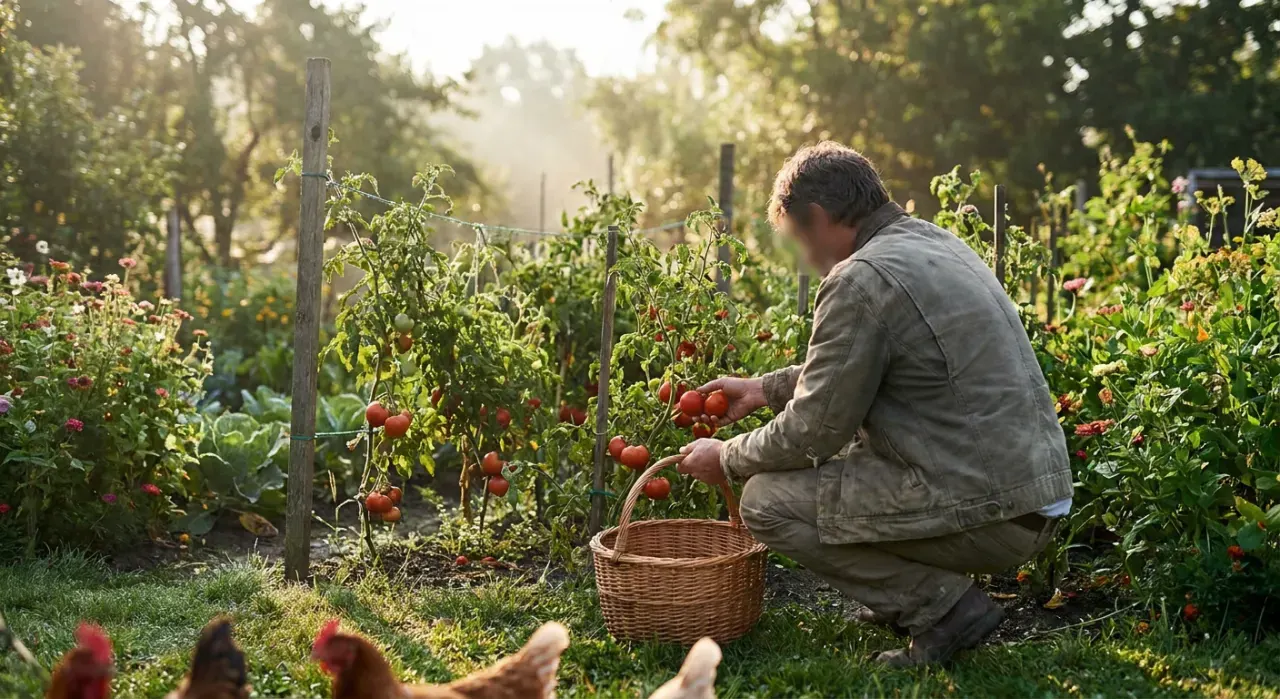
In the warm South, March is the handover from the cool season to the warm season. With the last frost passing this month, tomatoes and peppers move outdoors and the first heat-loving crops go in.
- Tomatoes and peppers — transplant hardened-off starts late March, once nights hold above about 50°F.
- Bush and pole beans — direct-sow late in the month as soil reaches 60°F.
- Summer squash and cucumbers — direct-sow toward month's end after frost risk passes.
- Last cool-season sowings — get in fast crops like radishes, lettuce, and carrots early in the month before heat cuts the window short.
The clock is different here: rather than racing frost, warm-South gardeners race the summer heat that stops tomato fruit set and bolts lettuce. Getting warm-season transplants established in March gives them time to crop before the worst of it.
Frost-free regions (zones 10-11): the cool season winds down
In south Florida, deep south Texas, coastal southern California, and Hawaii, the productive winter is ending and the heat is building. March is the time to finish harvesting cool-season crops and shift toward heat-tolerant vegetables that carry through the hot months: okra, southern (cowpea) peas, sweet potatoes, malabar spinach, and heat-set tomato varieties. Any tomatoes and peppers you want to fruit before high summer should already be in the ground and sizing up.
Reading soil temperature, not just the calendar
March is the month where soil temperature governs success. A cheap soil thermometer takes the guesswork out and prevents the most common early-season failures — seed rotting in ground that is too cold. Push it 2 to 3 inches into the bed in mid-morning for a representative reading.
| Crop group | Minimum soil temp to sow | Examples |
|---|---|---|
| Cold-hardy | 40°F | Peas, spinach, radishes, lettuce |
| Cool-season | 50°F | Carrots, beets, chard, potatoes |
| Warm-season | 60°F and up | Beans, squash, cucumbers, corn |
Raised beds and covered ground warm first, which is why early March sowings do best there. If the soil is below the crop's minimum, wait — a seed sitting cold in wet ground is far more likely to rot than one sown a week later into warmer soil.
Common March planting mistakes
| Mistake | Result | Fix |
|---|---|---|
| Setting tomatoes out too early in the north | Cold-stunted, sulking plants | Wait until nights hold above 50°F, after last frost |
| Sowing warm-season seed in cold soil | Seed rots; poor stands | Check soil temperature before sowing |
| Skipping the pea window | Peas caught by summer heat | Direct-sow peas early March in zones 6 to 7 |
| Not hardening off transplants | Scald and transplant shock | Acclimate over 7 to 10 days before setting out |
For the transition method, see hardening off seedlings.
Planting earlier with cold frames and cloches
March is the month simple season-extension gear pays off most, letting temperate and even cold-zone gardeners direct-sow two to four weeks ahead of open ground. The principle is straightforward: a clear cover traps daytime warmth and holds it around the soil and young plants overnight, nudging soil temperatures up into the range where cool-season seeds will germinate.
- Cold frames — a low, boxed bed with a clear lid warms the soil enough for an early March sowing of spinach, lettuce, radishes, and Asian greens. They also make an ideal hardening-off station for indoor-started transplants later in the month.
- Cloches and row cover — a clear tunnel or a floating cover over hoops raises the temperature a few degrees and shelters seedlings from cold wind, extending the range of what you can sow.
- Raised beds — even without a cover, raised beds warm and drain faster than flat ground, so they are the first place to sow in March.
Whatever cover you use, ventilation is the discipline that makes it work. On a sunny March day the air under a closed cold frame can climb past 90°F in an hour and cook tender seedlings, so prop the lid open on mild, sunny days and close it again before evening. Watch soil moisture too — covered ground can dry out unnoticed, and a dried seedbed means failed germination. Pull covers off entirely once the weather settles and the crops inside are established, saving them for the next cold snap. Used with attention, these tools turn March from a waiting month into a planting one across much of the country.
Related: look back at what to plant in February, ahead to what to plant in April, review the full spring planting guide, or read how we rank.