 Garden
Affiliate Disclosure
Some links on this page are affiliate links. As an Amazon Associate, we earn from qualifying purchases — at no extra cost to you. We do not buy, test, or physically handle the products we cover; our rankings come from aggregated owner reviews, ratings and expert consensus. Commissions never change our verdicts. How we rank · full disclosure.
The winter vegetables to plant depend heavily on your zone: mild zones 8 to 10 grow lettuce, spinach, kale, broccoli, carrots and peas outdoors all winter, while colder zones rely on hardy crops like kale, mâche, leeks and carrots overwintered under cover, plus indoor seed-starting. Most are established in fall to survive the cold, then harvested through winter. This guide gives the crops zone by zone, with soil temperatures in °F, days to maturity, and frost timing so you plant what actually works for your climate.
We do not test or physically handle the plants and products we cover; our guidance draws on horticultural extension research and the aggregated experience in thousands of owner reviews, as explained in how we rank.
Winter planting is decided by your zone
No season is as zone-dependent as winter. In mild-winter zones, the cool months are the best growing season of the year, free of the summer heat that makes cool-season crops bolt. In cold zones, the ground freezes and outdoor growth stops, so winter crops are either hardy plants held under cover or seeds started indoors for spring.
The crops themselves are all frost-tolerant cool season vegetables; what changes is whether you grow them outdoors, under a tunnel, or indoors. The broader indoor-versus-outdoor split is covered in what to plant in winter.
One idea trips up newcomers to winter gardening more than any other: most "winter" crops are not sown in winter at all. They are planted in late summer or early fall, given time to reach a usable size while the soil is still warm and the days are still reasonably long, and then held or slowly harvested through the cold months. A spinach plant sown in September and mature by late October will sit under a cover and feed you all winter; the same seed sown in December, into cold soil and short days, may not germinate at all. So planning your winter harvest really means planning your fall sowing. The exception is the mildest zones, where soil stays workable and warm enough to keep sowing right through the season.
Mild zones (8 to 10): grow all winter outdoors
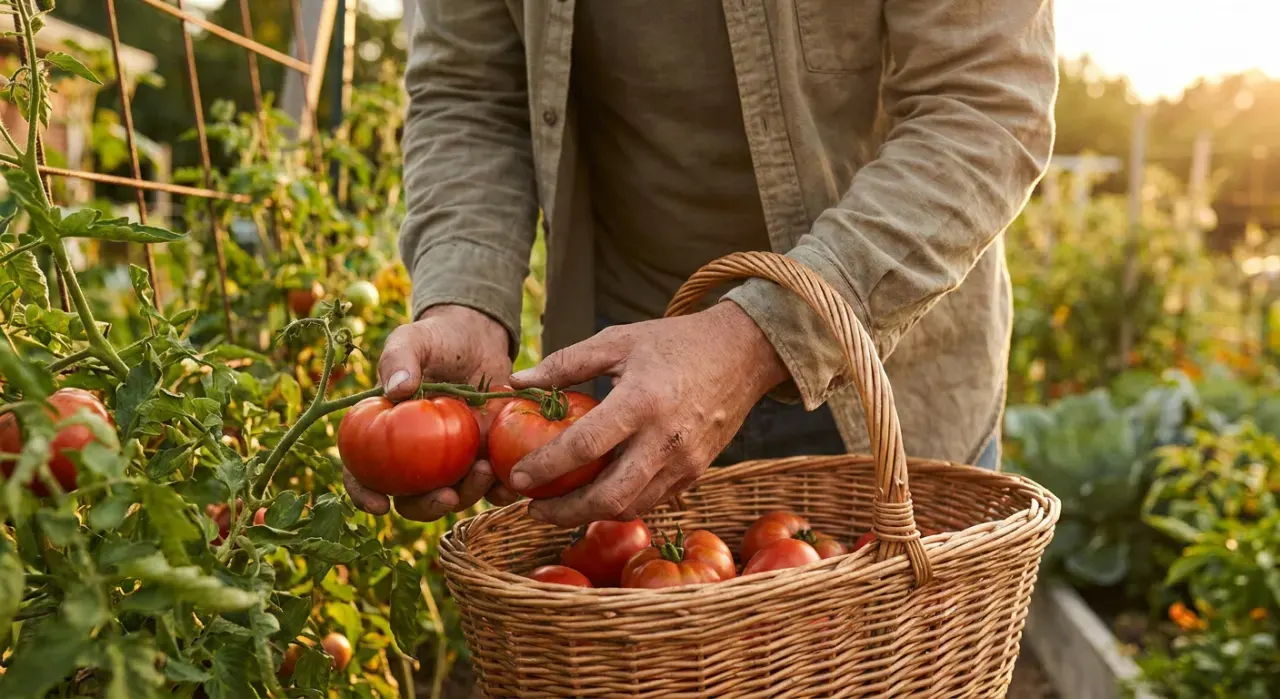
Where winters stay mild, a full range of cool-season crops grows outdoors right through the season.
| Crop | Soil temp to sow | Days to maturity |
|---|---|---|
| Lettuce, spinach | 40°F | 40 to 50 |
| Kale, chard, collards | 45°F | 50 to 65 |
| Broccoli, cauliflower | 45°F | 55 to 75 |
| Carrots, beets, radishes | 45°F | 25 to 80 |
| Peas, onions | 40°F | 55 to 110 |
Sow whenever the soil is workable and around 40 to 45°F, and succession-sow greens for continuous winter harvests.
The hardiest crops for overwintering
In zones 5 to 7, only the toughest crops carry through winter, usually under cover. These survive hard frost and several sweeten in the cold.
| Crop | Cold hardiness | Winter behavior |
|---|---|---|
| Mâche (corn salad) | Very hardy, into teens°F | Grows slowly; nearly foolproof |
| Spinach | Hard frost; low 20s°F | Holds; resumes in late winter |
| Kale | Hard frost; sweetens | Holds and slowly grows under cover |
| Leeks, parsnips | Hard frost | Stand in ground through winter |
| Carrots | Hard frost; sweetens | Dig from mulched ground all winter |
Growing under cover in cold zones
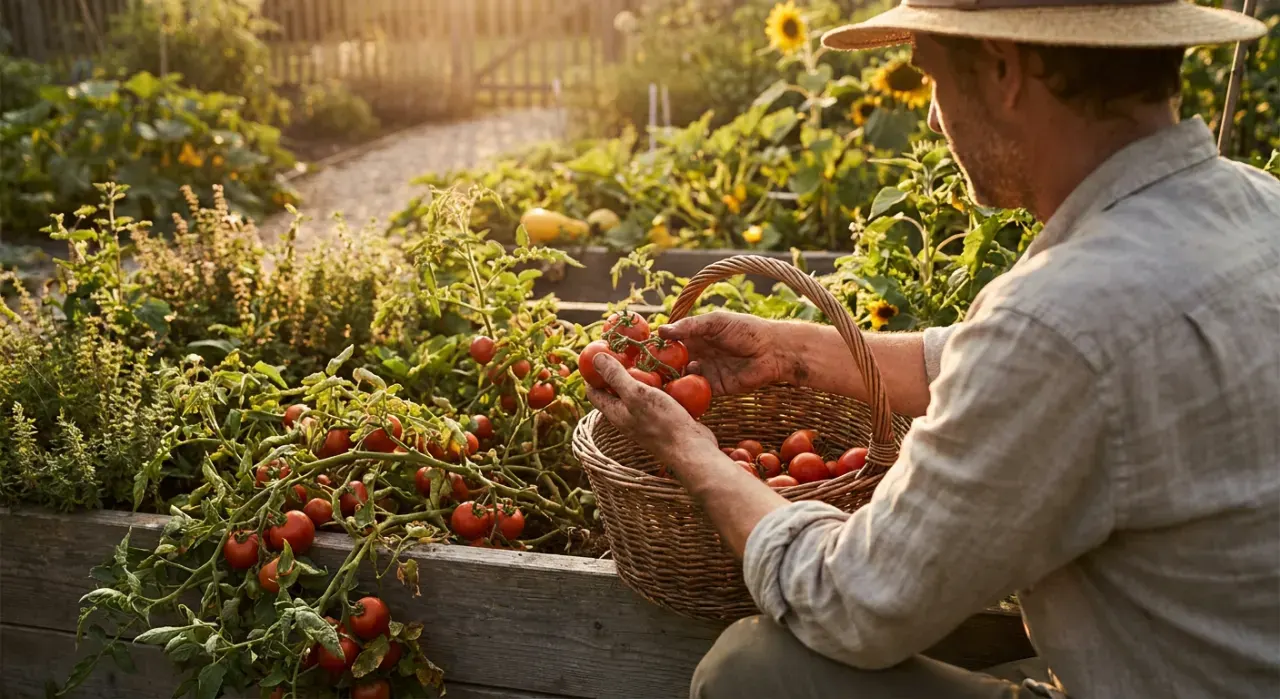
In zones 5 to 7, hardy crops planted in early fall can be carried through winter under simple protection, though with short days and cold soil they mostly hold rather than grow. A cold frame or a low tunnel with heavy row cover keeps spinach, kale, mâche and hardy lettuce alive through hard freezes, resuming growth as light returns in late winter for a very early harvest. On the coldest nights, a second layer of cover inside the tunnel adds several degrees. Vent covers on mild, sunny days so trapped heat does not cook the crop, and remember plants under cover still need light and occasional water.
Garlic and mulched storage crops
Two winter strategies work across nearly all zones. Garlic, planted in fall from September to November, sits dormant through winter and is harvested the following summer — the easiest plant-and-forget winter crop. Root crops like carrots, beets and parsnips can be left in the ground under a thick straw mulch and dug through much of winter in zones 6 and up, becoming sweeter after repeated frosts. In effect the garden becomes a living refrigerator, storing crops in place rather than growing new ones.
The in-ground storage approach works best if you set it up before the ground freezes hard. Lay six inches or more of loose straw, shredded leaves or a similar mulch over the root bed once the soil has chilled but before a deep freeze locks it, and the insulation keeps the ground diggable for weeks or months longer than bare soil. Mark the rows, because a snow-covered bed hides where the carrots are. Leeks, parsnips and salsify are especially suited to this, standing in the ground with little protection, while beets and turnips store better if mulched deeply. Lift the last of them before a prolonged hard freeze in cold zones, or before spring warmth prompts them to resume growth and turn woody.
Cold zones (3 to 4): indoor starts
Where sustained outdoor growing is not realistic, winter is seed-starting and planning season. Onions and leeks are started indoors first (10 to 12 weeks before last frost), followed by peppers and eggplant (8 to 10 weeks) and tomatoes (6 to 8 weeks) as spring nears. Provide bright light — a grow light keeps seedlings stocky rather than leggy. A well-mulched bed of stored root crops is the closest thing to an outdoor winter garden in these zones.
Winter crops by zone at a glance
| USDA zone | Winter vegetables to plant |
|---|---|
| 3 to 4 | Indoor starts; mulched storage roots |
| 5 to 6 | Overwinter kale, spinach, mâche, carrots under cover |
| 7 | Hardy greens and roots under light cover |
| 8 | Lettuce, spinach, brassicas, carrots outdoors |
| 9 to 10 | Full cool-season range; peak season |
For the whole year mapped out, see the vegetable planting calendar.
Winter planting tips
- Let your zone decide — outdoors, under cover, or indoors.
- Establish crops in fall — most winter vegetables are planted before the cold.
- Lean on the hardiest crops — mâche, kale, spinach, leeks and carrots.
- Mulch root crops in place to harvest from the ground through winter.
- Vent covers on mild days so trapped heat doesn't cook the crop.
Related: what to plant in winter, fall garden vegetables, the vegetable planting calendar, and how we rank.