 Garden
Affiliate Disclosure
Some links on this page are affiliate links. As an Amazon Associate, we earn from qualifying purchases — at no extra cost to you. We do not buy, test, or physically handle the products we cover; our rankings come from aggregated owner reviews, ratings and expert consensus. Commissions never change our verdicts. How we rank · full disclosure.
Cleaning a dehumidifier takes about 20 minutes and keeps it efficient while stopping it from spreading mold and musty odors. It costs nothing but water, mild soap, and a little vinegar, with no permit or hazard beyond unplugging it first. Because a dehumidifier constantly pulls damp air across cold coils and pools water in its bucket, it’s a natural home for mildew — and it will happily circulate that smell back into your room. The routine is simple: wash the filter and bucket, gently clean the coils, and flush the drain path where slime builds up.
Tools and materials
- Mild dish soap and white vinegar for the bucket and drain path, plus a soft cloth and a soft brush.
- A vacuum with a brush attachment for the coils and filter, and a fin comb if any coil fins get bent.
- Warm water for rinsing. If your unit can’t keep up even when clean, see our best dehumidifier picks.

Step 1: Unplug and empty
Switch off and unplug the dehumidifier — never clean it live, given the water involved. Remove and empty the water bucket. If you run a continuous drain hose, disconnect it. Move the unit somewhere you can work on it, ideally near a sink or drain.
Step 2: Clean the air filter
Slide out the air filter (front or top on most units). Vacuum it or rinse it under running water, then let it dry completely before reinstalling. A clogged filter is the most common reason a dehumidifier removes less moisture and runs hard — this two-minute step has the biggest payoff. Replace it instead if yours is the disposable type.
Step 3: Wash and disinfect the bucket
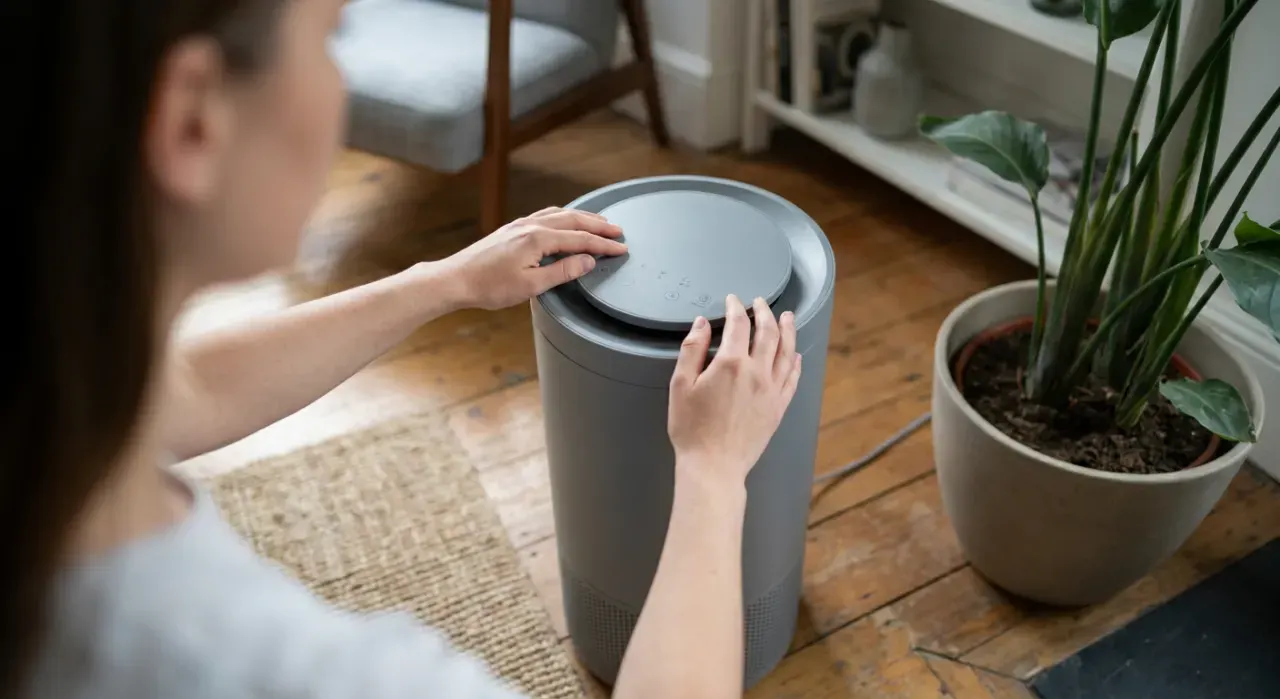
Wash the water tank with warm soapy water to remove any slimy biofilm, then wipe or soak it with a vinegar solution to kill mildew, and rinse. This is where standing water breeds the musty smell, so don’t skip the disinfecting step. Dry it before reinstalling. Never mix vinegar with bleach.
Step 4: Clean the coils gently
Access the coils (behind the front grille on most units) and vacuum them with a soft brush to lift the dust that insulates them and kills efficiency. For grime, wipe with mild soapy water or a coil-safe cleaner, avoiding the electrical parts. Be gentle — the thin aluminum fins bend easily; straighten any you flatten with a fin comb. Clean coils pull far more moisture.
Step 5: Flush the drain path and reassemble
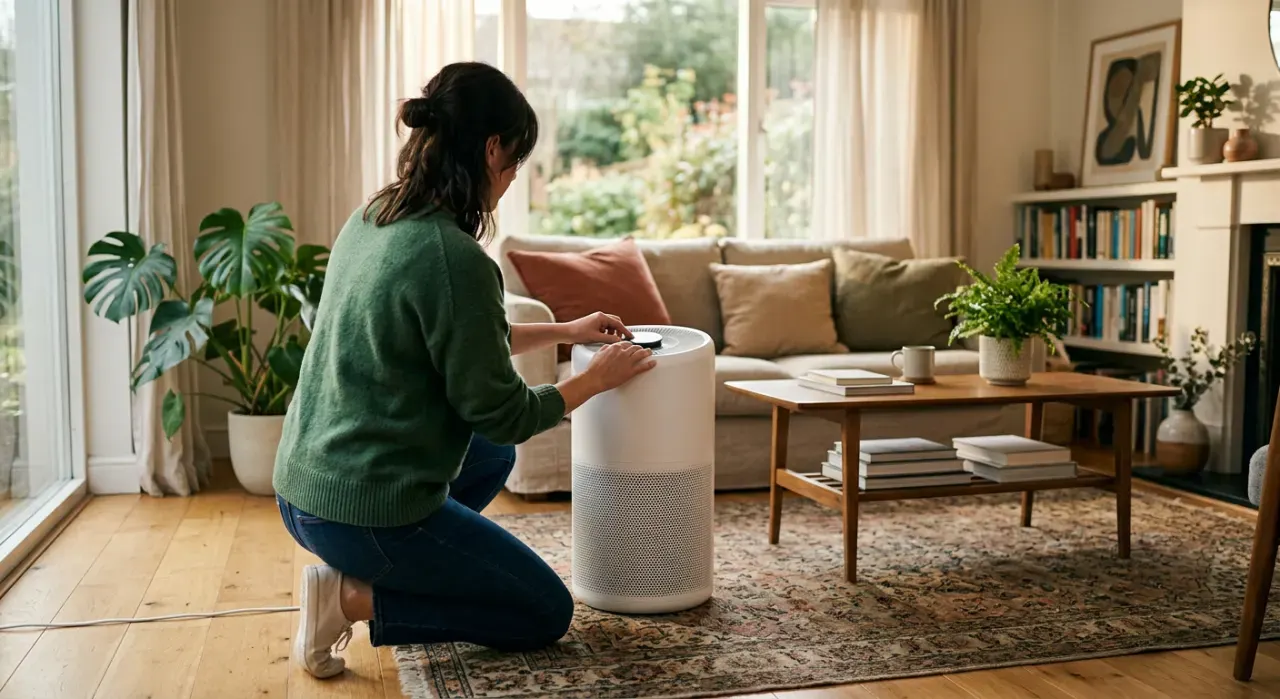
Flush the drain channel and any hose with a vinegar-water solution to clear the slime and mineral buildup that cause smells and blockages. Let everything dry, reinstall the clean filter and bucket, and reconnect the hose. Going forward, empty and dry the bucket when the unit isn’t running so water never sits and breeds mold.
Where to go next
Dehumidifier upkeep pairs with cleaning a humidifier and replacing an air purifier filter for whole-home air health. Chasing a summer musty smell? See why houses smell musty in summer. It all lives under the air quality hub.
We never buy or physically test the products we rank — our picks come from aggregated owner reviews and expert consensus, explained on how we rank. Follow your unit’s manual for coil and filter care.