 Garden
Affiliate Disclosure
Some links on this page are affiliate links. As an Amazon Associate, we earn from qualifying purchases — at no extra cost to you. We do not buy, test, or physically handle the products we cover; our rankings come from aggregated owner reviews, ratings and expert consensus. Commissions never change our verdicts. How we rank · full disclosure.
Keep out meat, fish, bones, dairy, greasy or oily food, cat and dog waste, diseased or herbicide-treated plant material, perennial weed roots, coal ash, glossy or coated paper, and anything labeled compostable plastic. Each fails for a different reason — some attract rodents, some carry pathogens that a backyard pile is not hot enough to kill, and some, like hay treated with persistent herbicides, survive composting and then damage the garden you spread it on. Almost everything else from a kitchen and yard is fair game.
What goes in the do-not-add list, and why?
| Item | Why it fails | Alternative |
|---|---|---|
| Meat, fish, bones | Odor and rodent attraction; slow to break down | Municipal organics collection, or a sealed bokashi bucket |
| Dairy and eggs (not shells) | Odor, pests, goes anaerobic | Same |
| Cooking oil, grease, fatty leftovers | Coats material and blocks air; attracts rodents | Trash or grease recycling |
| Cat and dog waste, used litter | Can carry pathogens home piles do not reliably kill | Trash; see our page on dog waste specifically |
| Diseased plant material | Some pathogens survive a cool pile | Municipal green waste or trash |
| Perennial weed roots and seeded weeds | Regrow or germinate in your beds | Drown in water first, or bag |
| Hay, straw or manure from herbicide-treated fields | Aminopyralid and clopyralid survive composting | Verify the source; do the bioassay below |
| Glossy, coated or thermal paper | Clay and plastic coatings; thermal paper additives | Plain paper and brown cardboard |
| Compostable plastics and PLA cups | Certified for industrial facilities, not backyards | Municipal organics if accepted |
| Coal and charcoal briquette ash | Sulfur and heavy metals; additives in briquettes | Wood ash only, sparingly |
| Treated, painted or pressure-treated wood | Preservative chemicals | Untreated wood chips and sawdust |
| Sawdust from plywood or MDF | Adhesives and binders | Sawdust from solid untreated timber |
Which one actually ruins gardens?
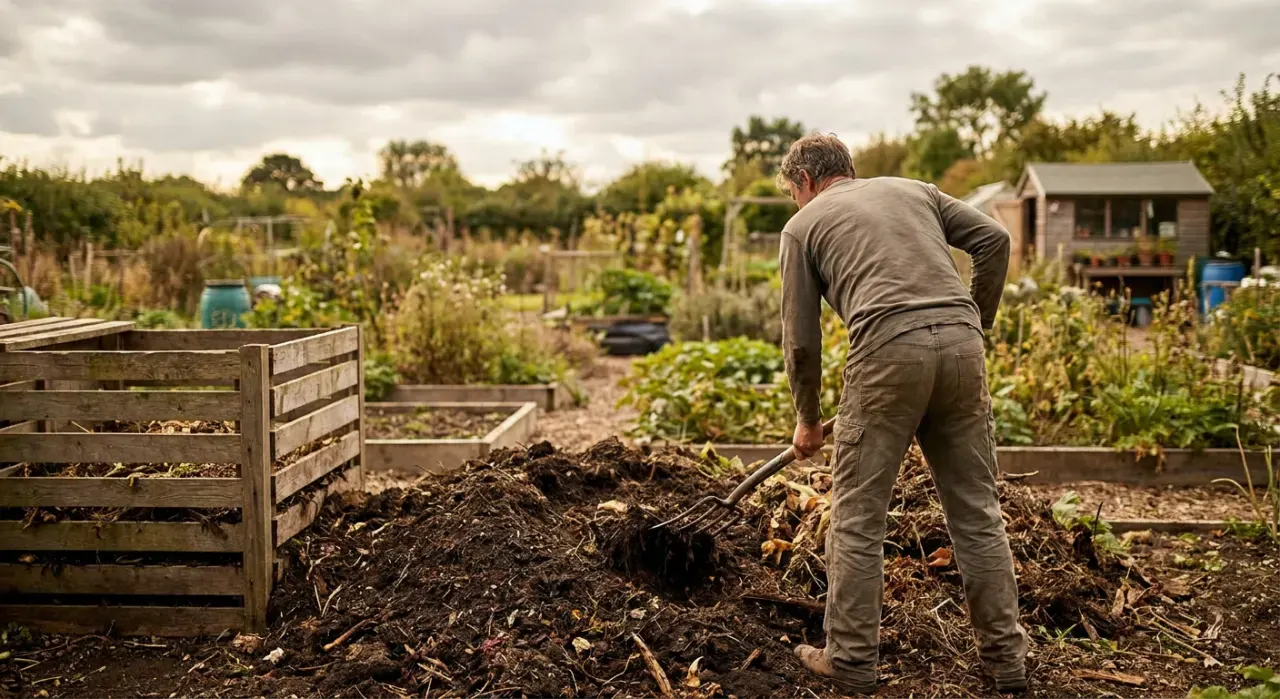
Persistent herbicide contamination, and it is the item on this list that most people have never heard of. Herbicides in the pyridine carboxylic acid family — aminopyralid, clopyralid, picloram — are used on pasture and hay fields and pass through composting and through a grazing animal largely intact. Compost made from contaminated hay, straw or manure then stunts and curls tomatoes, beans, potatoes and peas at concentrations too low to detect any other way. Extension programs across the US, including Washington State University and North Carolina State Extension, publish guidance on it specifically because it keeps happening.
The check is a simple bioassay. Mix your finished compost 50:50 with potting soil, plant three pea or bean seeds in that and three in plain potting soil, and grow them for two to three weeks. Cupped, twisted or fern-like new growth on the compost side means contamination, and that compost should not go on a vegetable bed. It is the same principle as the germination test in how to tell when compost is finished.
Does a hot pile change the rules?
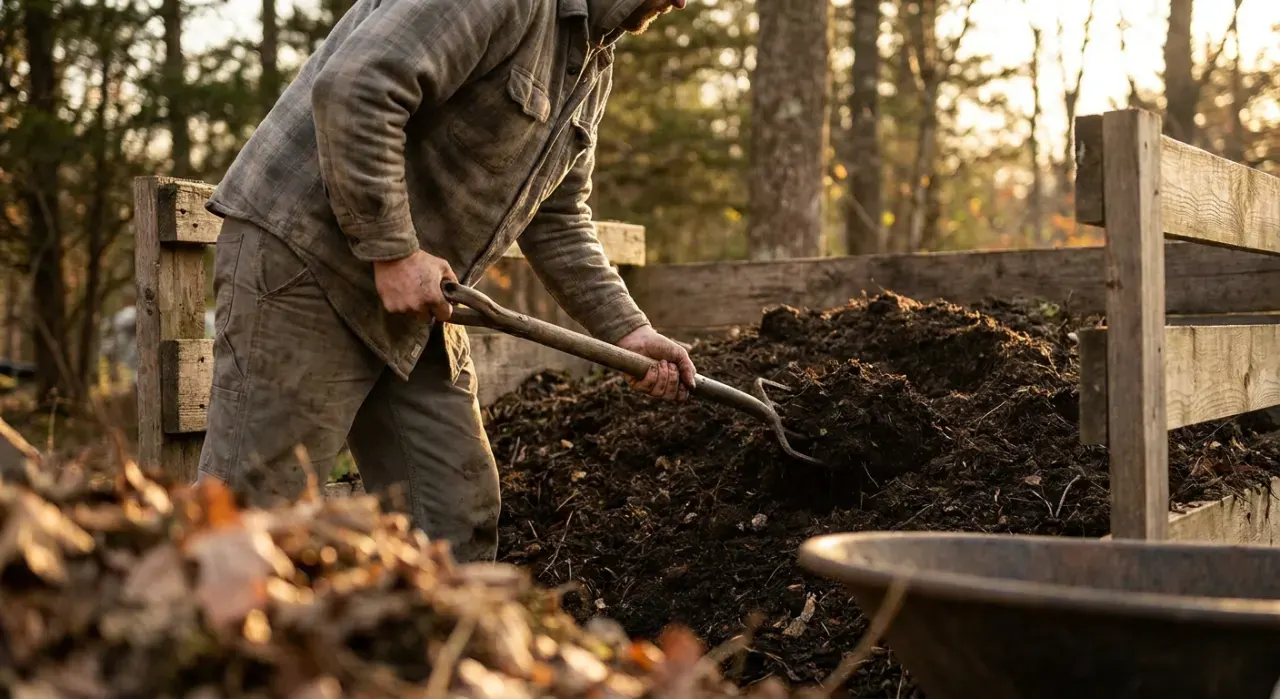
For some items, yes. A pile that genuinely reaches and holds 131 to 160°F throughout — turned so the outer material moves to the center — kills most weed seeds and many plant pathogens. The US Composting Council and USDA organic standards use 131°F held for several days with turnings as the benchmark for that, and it is the standard commercial operations work to.
Backyard piles rarely hold it reliably, which is why the conservative list stands for home composting. And it does not change the rules for the items that fail for other reasons: meat and grease still attract rodents at any temperature, persistent herbicides survive heat entirely, and compostable plastics need sustained industrial conditions. If your pile is not heating at all, why compost is not heating up covers the causes.
What can you actually add that people avoid unnecessarily?
- Citrus and onion — fine in a normal pile, limited only in worm bins.
- Coffee grounds and paper filters — a good nitrogen source, and roughly neutral in pH once brewed.
- Eggshells — harmless, just slow; crush them if you want them gone.
- Brown cardboard and plain paper — excellent carbon, and most households have more than they need. Tear and wet it.
- Bread and cooked grains in small amounts — fine if buried in the center of a working pile, though they are a rodent draw if left on the surface.
- Wood ash — in small quantities only, and not on soil that is already alkaline.
Getting the ratio of these right matters more than the exclusion list does day to day — browns and greens explained covers the balance, and how to make compost the whole process. If rodents are your specific worry, do compost bins attract rats deals with bin design and siting. Enclosed bins and tumblers change what you can safely add, and those are ranked in best compost bin.
We never buy, test or physically handle the products we rank. Recommendations come from aggregated owner reviews, star ratings, review volume and expert consensus — see how we rank.
More from this hub: Composting & Soil · Composting dog waste · Tumbler versus bin · How we rank