 Garden

Affiliate Disclosure
Some links on this page are affiliate links. As an Amazon Associate, we earn from qualifying purchases — at no extra cost to you. We do not buy, test, or physically handle the products we cover; our rankings come from aggregated owner reviews, ratings and expert consensus. Commissions never change our verdicts. How we rank · full disclosure.
The US standard kitchen faucet hole is 1-3/8 inch in diameter, which is 35 mm. That size fits the overwhelming majority of residential kitchen faucets sold in North America. A minority of models, generally heavier commercial-style and pull-down units with larger shanks, require 1-1/2 inch. Where a sink has multiple holes, the spacing is measured center to center: 4 inches for a centerset layout and 8 inches for the widespread three-hole arrangement standard on kitchen sinks. Always confirm the required diameter on the specification sheet for your exact model before drilling anything.
What are the standard dimensions?
| Dimension | Standard | Notes |
|---|---|---|
| Single faucet hole | 1-3/8 in (35 mm) | Fits most residential faucets |
| Oversized faucet hole | 1-1/2 in (38 mm) | Some commercial-style and heavy pull-downs |
| Bathroom faucet hole | 1-1/4 to 1-3/8 in | Smaller shanks than kitchen |
| Kitchen 3-hole spacing | 8 in on center | The common widespread layout |
| Bathroom centerset spacing | 4 in on center | Single-plate two-handle faucets |
| Sink deck thickness limit | Check the spec | Most faucets accept up to 1-1/2 to 2-1/2 in |
| Air gap / soap dispenser hole | 1-3/8 in | Same as a faucet hole |
Deck thickness is the specification people overlook. A faucet designed for a stainless sink deck may not have enough threaded shank to clamp through a 3 cm granite countertop, and the fix is an extension kit rather than a shorter mounting nut.
How many holes does your faucet need?
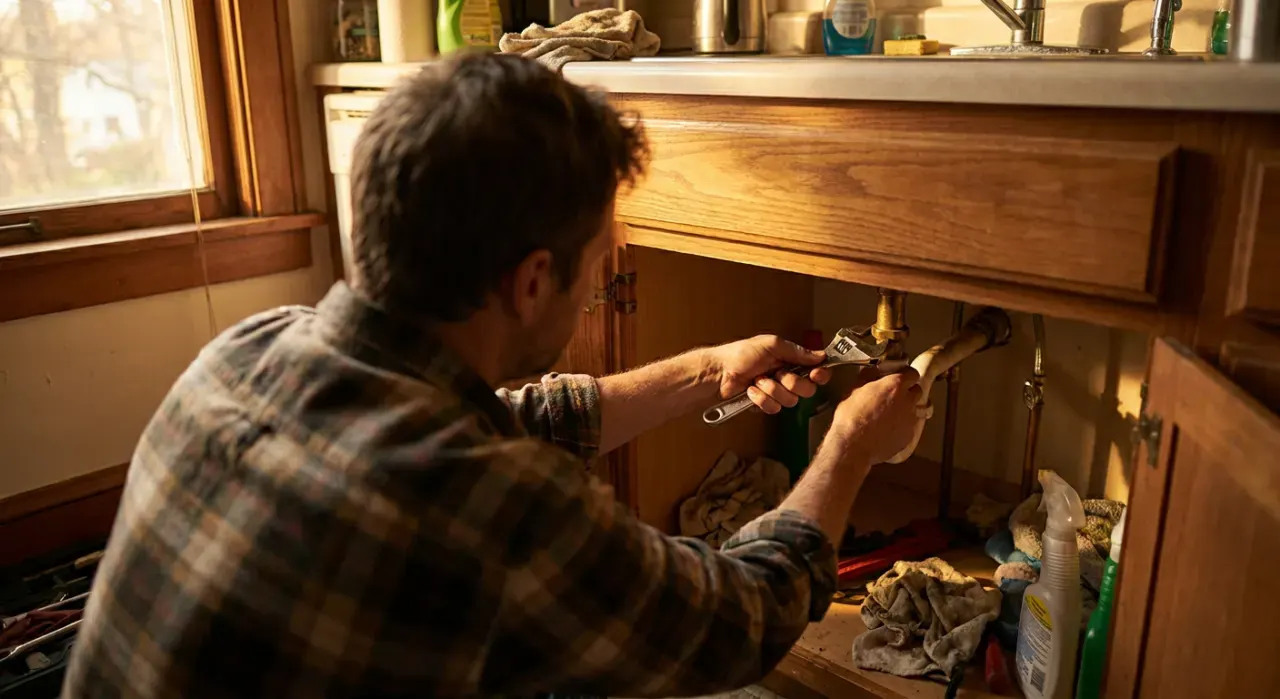
Count the deck-mounted components, not just the faucet. A single-hole pull-down needs one. Add a side soap dispenser and you need two. Add a filtered water tap and a dishwasher air gap and you are at four. A two-handle bridge faucet needs its own spacing entirely, generally three holes at 8 inches on center.
The direction of the mismatch decides how hard the fix is. Too many holes is trivial — a deck plate or a hole cover solves it in a minute. Too few holes is a drilling job, and in stone or fireclay that is a specialist task. If you are ordering a new sink, buying one with more holes than you currently need costs nothing and leaves the option open.
How do you enlarge or add a hole?
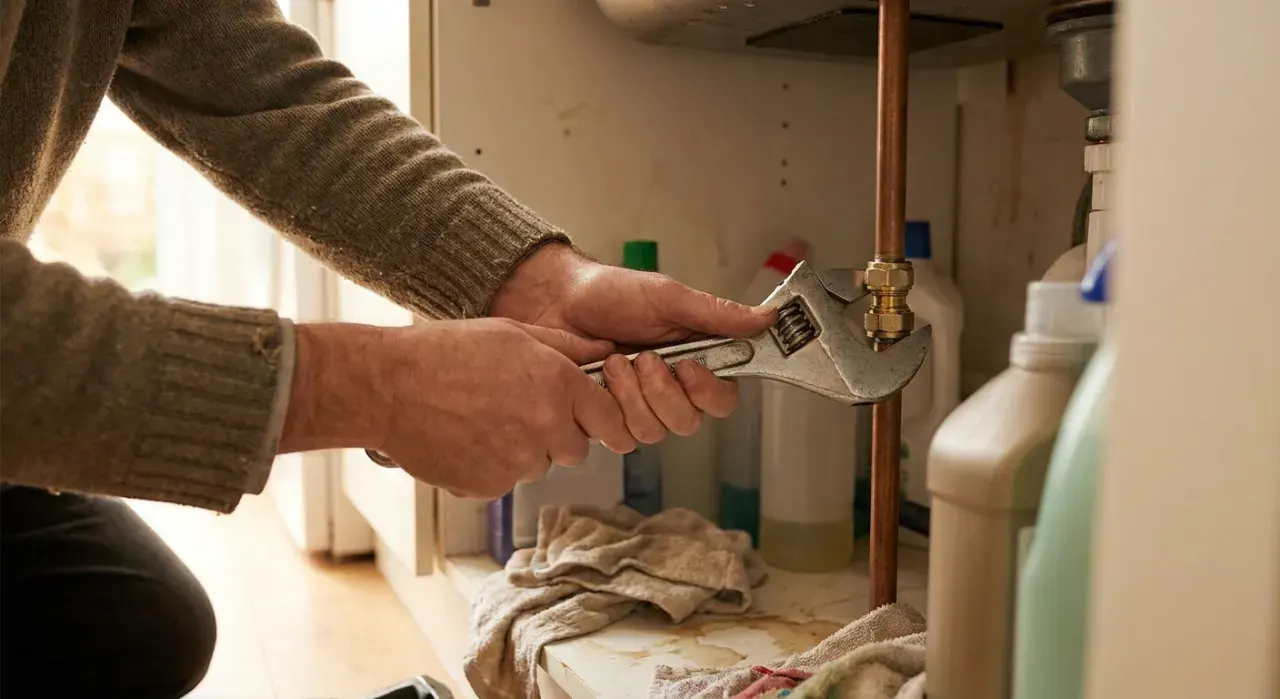
- Stainless steel: a step bit or bi-metal hole saw, low speed, cutting oil, steady light pressure. Clamp a wood block underneath to support the metal and prevent chatter. Deburr the edge afterward so it does not cut the gasket.
- Enameled cast iron and fireclay: a diamond hole saw with a constant water feed. Start at a shallow angle to establish the ring, then bring the saw upright. Never a hammer setting, never a standard bit — impact cracks the glaze and the body.
- Composite granite and solid surface: diamond hole saw, water cooling, and let the tool do the work. These materials heat quickly and a burned rim is permanent.
- Stone and quartz countertops: leave it to the fabricator. Drilling installed stone in place risks a crack that runs the length of the slab, and that is not a repair.
Wear eye protection for all of these, and expect a stainless hole to take a few minutes rather than a few seconds. The rest of the tool list for a faucet job is in what tools do you need to replace a faucet.
What should you check before you buy?
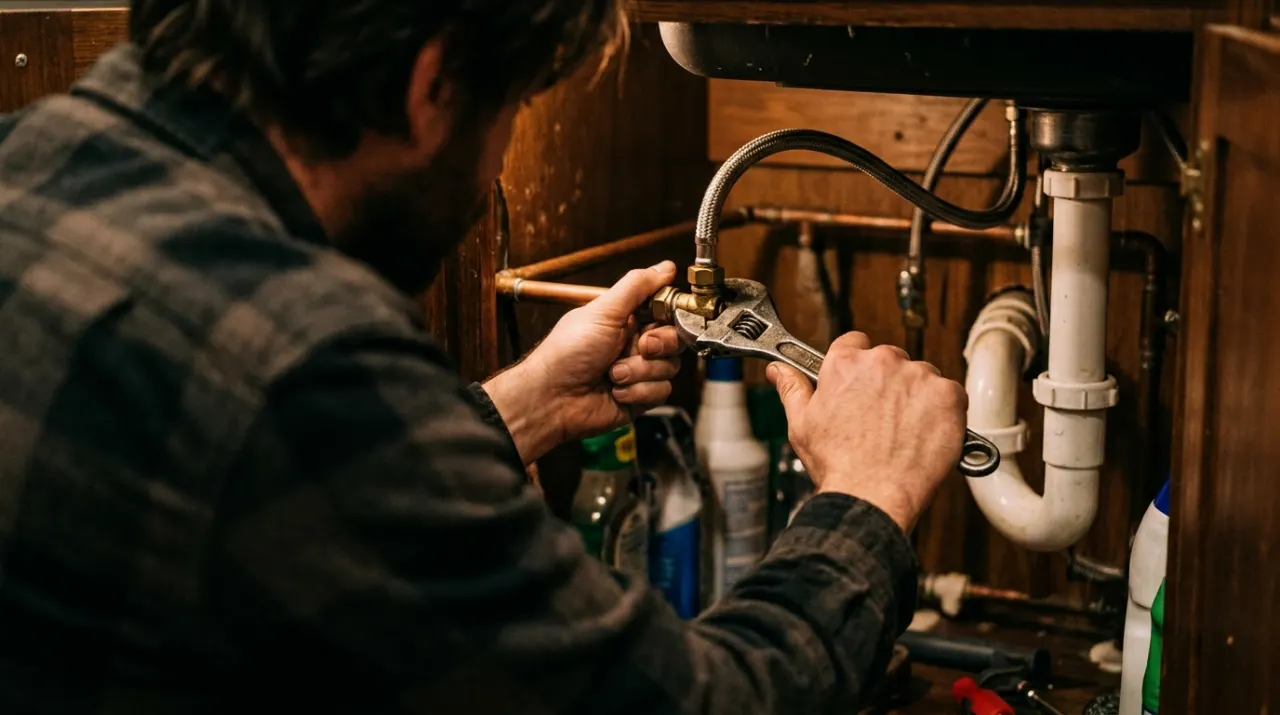
Pull the specification sheet for the exact model number and confirm four things: required hole diameter, number of holes, minimum and maximum deck thickness, and the spout reach and height relative to your sink and any window behind it. Those four cover essentially every installation failure people run into. Configuration differences between spray styles are covered in pull-down versus pull-out kitchen faucets, and our best kitchen faucet roundup lists hole requirements alongside the picks. Once the hardware is confirmed, how to replace a kitchen faucet walks the installation.
We never buy, test or physically handle the products we rank. Recommendations come from aggregated owner reviews, star ratings, review volume and expert consensus — see how we rank.
More from this hub: DIY Plumbing · Best kitchen faucet · How long faucets last · Under-sink water filter · How we rank