 Garden


Affiliate Disclosure
Some links on this page are affiliate links. As an Amazon Associate, we earn from qualifying purchases — at no extra cost to you. We do not buy, test, or physically handle the products we cover; our rankings come from aggregated owner reviews, ratings and expert consensus. Commissions never change our verdicts. How we rank · full disclosure.
The short answer: around 8 percent of heating and cooling energy, which for a typical US household is roughly $50 a year — in line with the ENERGY STAR certification criteria, which require a certified connected thermostat to demonstrate at least an 8 percent annual reduction in heating run time and 10 percent in cooling. Real results range from nothing to over $180 depending on climate, fuel price and, above all, what you were doing before. If you already set the thermostat back manually every time you left the house, expect close to zero. If you held one temperature 24 hours a day, expect the top of the range.
We do not physically handle the devices we rank — recommendations come from aggregated owner reviews and expert consensus, described in how we rank. Models are in best smart thermostat.
Why do savings estimates vary so much?
Because a thermostat saves energy in exactly one way — by not heating or cooling a house nobody is in — and the size of that opportunity is a property of your habits, not of the device. A smart thermostat automates a setback that a disciplined person could perform manually with a $25 programmable model. Everything else it does, from geofencing to occupancy sensing to learning your schedule, is a way of making the setback happen reliably rather than only when someone remembers.
That is why the honest answer starts with a question about your old behavior rather than a dollar figure. The Department of Energy’s long-standing guidance is that setting a thermostat back 7 to 10°F for 8 hours a day can cut heating and cooling costs by up to about 10 percent. A device that captures that automatically is worth exactly the share of it you were not already capturing.
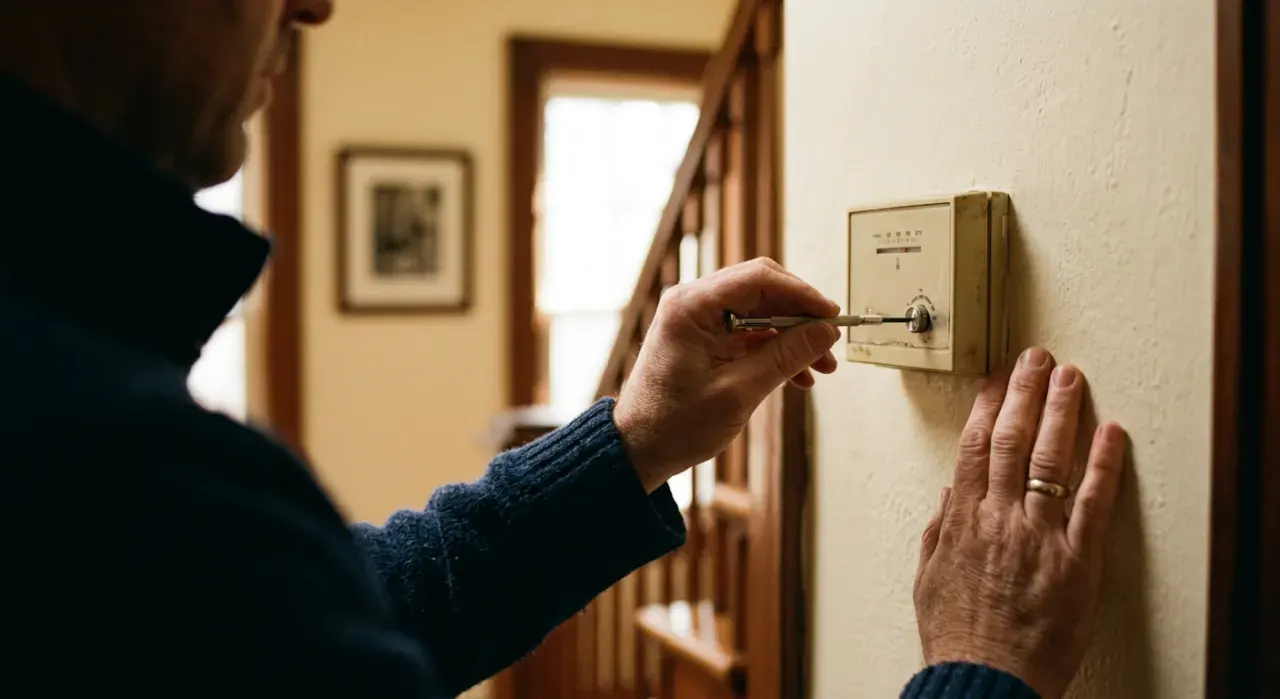
What will it save in my situation?
| What you did before | Realistic annual saving | Payback on a $180 device |
|---|---|---|
| Held one setpoint 24/7, never adjusted | $90 – $180 | 1 – 2 years |
| Adjusted by hand, inconsistently | $45 – $90 | 2 – 4 years |
| Used a programmable schedule properly | $10 – $35 | 5 – 10 years |
| Already set back manually every departure | $0 – $20 | May never pay back |
| Irregular schedule, house often empty | $70 – $160 | 1 – 3 years |
| Vacation home or rental | $60 – $200 | 1 – 3 years, plus freeze protection |
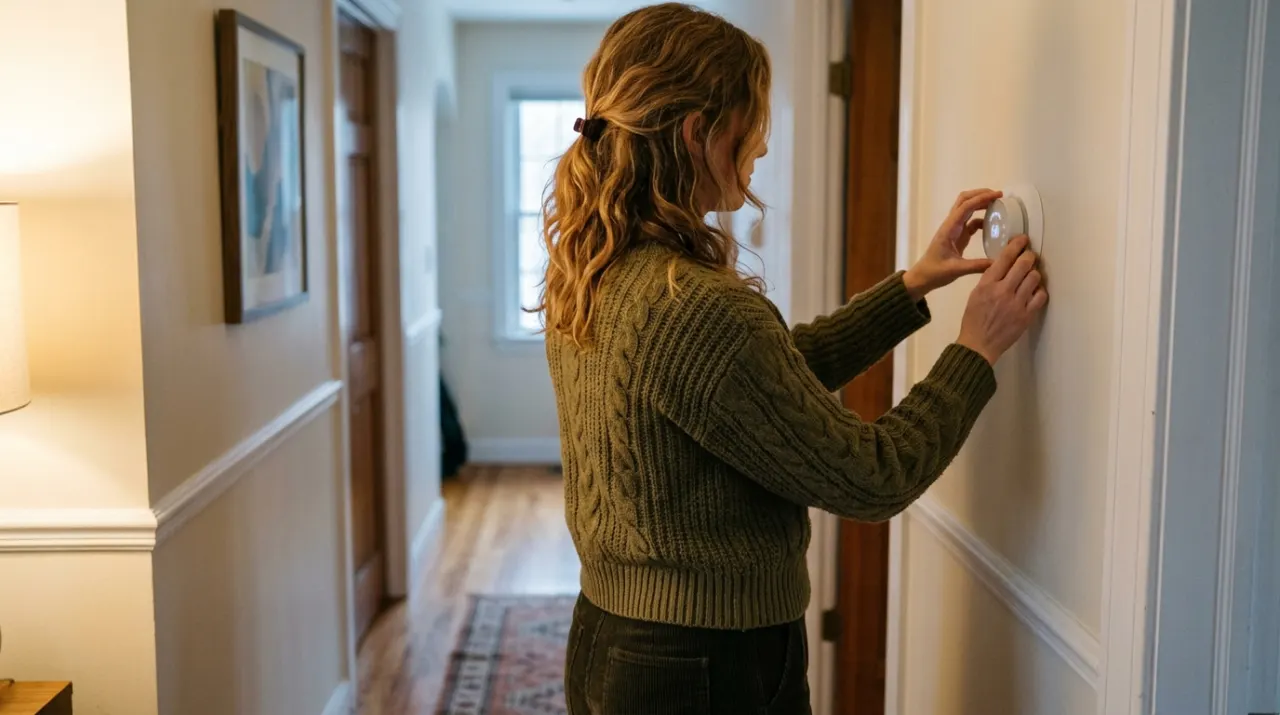
Does climate and fuel type change the answer?
Substantially. The saving is a percentage of a heating and cooling bill — which ENERGY STAR puts at close to half of the average American household's annual energy bill, more than $900 — so the same 8 percent is worth far more in a Minnesota winter or a Phoenix summer than in coastal California. Fuel matters just as much: 8 percent off electric resistance heat in New England is a large number, while 8 percent off natural gas heat in a mild climate may be $20.
- Cold climates with electric or propane heat — the largest savings, often $120 to $200.
- Hot, humid climates with long cooling seasons — strong savings, though deep cooling setbacks are limited because the house must also stay dry.
- Natural gas heat in a mild climate — smallest savings, often under $30.
- Heat pumps — setbacks work differently. Deep setbacks can trigger expensive auxiliary resistance heat on recovery, which is why smart thermostats with proper heat pump logic ramp back gradually. A generic model set up badly on a heat pump can increase your bill.

What is worth having beyond the energy saving?
For many owners the non-energy features justify the purchase more than the savings do. Remote access means you can start cooling a house on the way home from vacation, and more usefully, a low-temperature alert tells you the furnace has quit while there is still time to prevent frozen pipes — the case for which is in how low can you set a thermostat before pipes freeze. Filter reminders based on actual runtime rather than a calendar are more accurate than guessing, though the intervals in how often should you change an HVAC filter should still be your cross-check.
Runtime reporting is the quietly valuable one. A thermostat that logs how many hours the system ran each day will show you a developing problem long before you notice it in comfort — a furnace whose cycles are getting shorter, or an air conditioner whose runtime is creeping up week over week. Those patterns are the early symptoms behind why does my furnace short cycle and why is my AC running but not cooling. Combine the setback with a ceiling fan and the 4°F of thermostat headroom described in do ceiling fans actually cool a room, and the two together beat either alone.