 Garden

Affiliate Disclosure
Some links on this page are affiliate links. As an Amazon Associate, we earn from qualifying purchases — at no extra cost to you. We do not buy, test, or physically handle the products we cover; our rankings come from aggregated owner reviews, ratings and expert consensus. Commissions never change our verdicts. How we rank · full disclosure.
The short answer: water a ZZ plant every 2 to 3 weeks in spring and summer and every 3 to 4 weeks or less in fall and winter, and only ever when the soil has dried out completely. ZZ plants store water in fat underground rhizomes, so they are built for drought and need far less water than most houseplants. Water thoroughly until it drains, then let the pot dry out fully before the next drink. The one thing that reliably kills a ZZ plant is overwatering, which rots the rhizomes. When in doubt, wait — this is a plant that genuinely prefers neglect to attention.
The ZZ plant (Zamioculcas zamiifolia) is one of the toughest, most drought-tolerant houseplants you can own. This guide reflects horticultural consensus and the patterns owners report, not first-hand growing on our part; see how we rank. For the broader logic across plants, see how often to water houseplants.
Why ZZ plants need so little water
The key to watering a ZZ plant is understanding its rhizomes. Beneath the soil, a ZZ plant grows plump, potato-like rhizomes that store water and nutrients, letting the plant draw on its own reserves through long dry spells. This is the same survival strategy that lets it thrive on neglect and in low light, and it completely changes how you water.
Because the plant carries its own water supply, it does not need the soil to stay moist the way a tropical plant does. Keeping the soil damp actually works against it, because the rhizomes, already full of water, rot when surrounded by constant moisture. So the ZZ plant is watered less like a fern and more like a succulent: soak, then let it dry out entirely, then soak again.
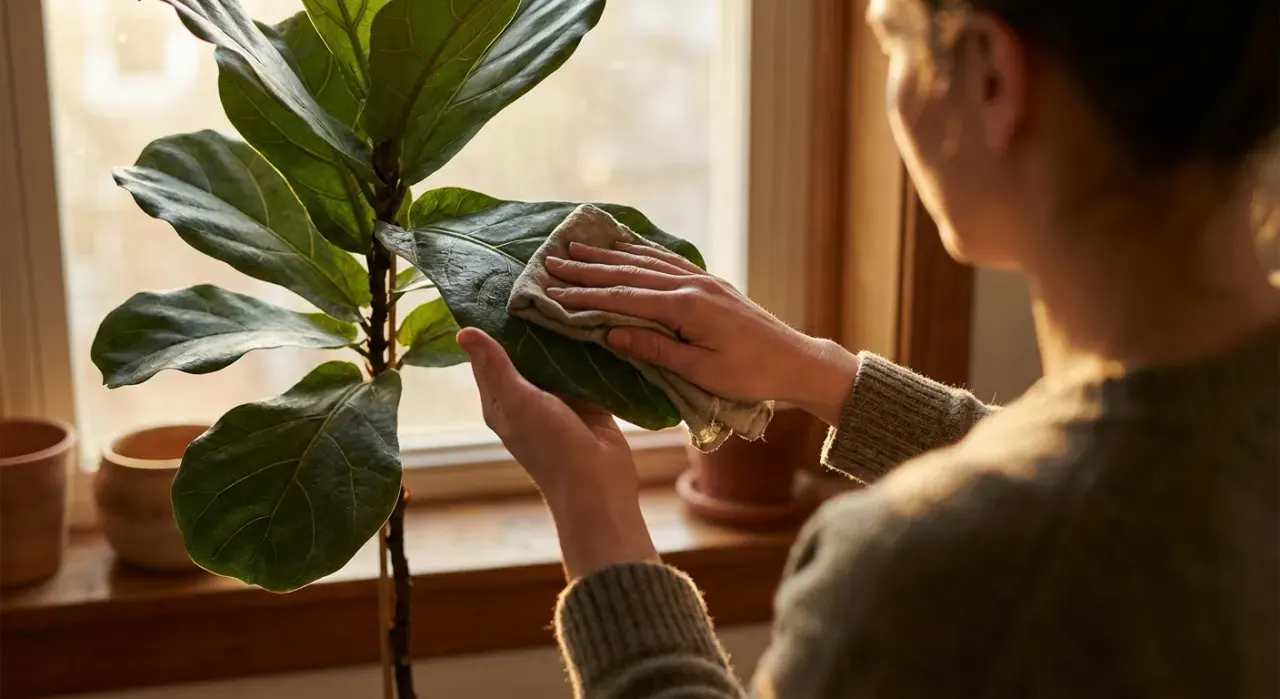
The soak-and-dry approach to watering a ZZ plant
ZZ plants do best with a version of the soak-and-dry method, the same principle used for succulents.
- Wait until the soil is fully dry. Not just the surface — the whole pot, top to bottom, should be dry. Check with a finger to root depth or a moisture meter.
- Water thoroughly. Soak until water runs out the drainage holes, wetting all the soil and the rhizomes.
- Drain completely. Empty the saucer so the pot never sits in water.
- Do not water again until fully dry. Then repeat. This may be two, three, or four weeks apart depending on conditions.
The instinct to water on a weekly schedule is what gets ZZ plants into trouble. Let the soil, not the calendar, set the pace, and always err toward waiting.
Watering a ZZ plant by season
| Season | Typical frequency | Why |
|---|---|---|
| Spring / summer | Every 2 to 3 weeks | Active growth, faster water use |
| Fall / winter | Every 3 to 4 weeks or less | Growth slows, very little water needed |
In winter, a ZZ plant in a cool, low-light room can go a month or more between waterings without complaint. Watering it as often as you did in summer is a fast track to root rot, because the soil stays wet far longer in cool, dim conditions and the plant is using almost nothing. Always confirm the soil is dry before you water in the colder months.
How light and other factors change the timing
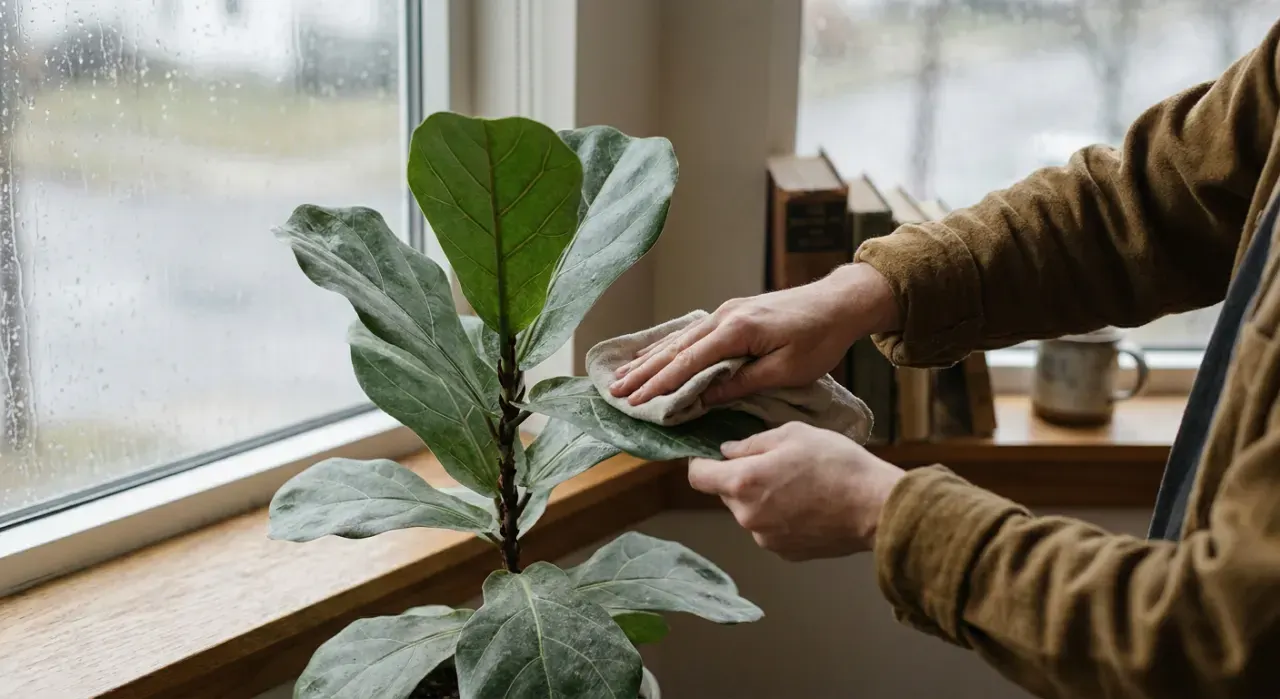
Light is the biggest variable. A ZZ plant in bright, indirect light grows faster and dries out sooner, so it needs watering a little more often. In the low light where these plants famously survive, growth slows to a crawl and the plant may go a month or more between drinks. Both are fine — the ZZ plant simply adjusts its pace to the light. For placement guidance, see low light houseplants, which features the ZZ plant prominently.
Other factors matter too. Terra cotta pots dry faster than plastic or glazed ceramic and give extra insurance against overwatering. A larger pot holds more soil and dries slower. Warm, dry rooms speed drying; cool or humid rooms slow it. And a well-draining, gritty mix, like one made for succulents, dries faster and protects the rhizomes better than a dense, moisture-holding mix — see what potting mix for succulents.
Recognizing and fixing an overwatered ZZ plant
Overwatering is the ZZ plant's one real weakness, and catching it early is the difference between a full recovery and a lost plant. The warning signs are yellowing leaves, often several at once, soft or mushy stems at the base, and a musty or rotten smell from the soil.
If you see these, stop watering immediately and let the soil dry out completely. In a serious case, unpot the plant and inspect the rhizomes: healthy ones are firm and plump, while rotted ones are soft, brown, and foul. Cut away any rotted rhizomes and roots with clean tools, let the plant air out, and repot into fresh, dry, well-draining mix, then water very sparingly while it recovers. The general recovery steps are in how do you save an overwatered plant. Firm, plump rhizomes give even a struggling ZZ plant a good chance of bouncing back.
Signs a ZZ plant is actually thirsty
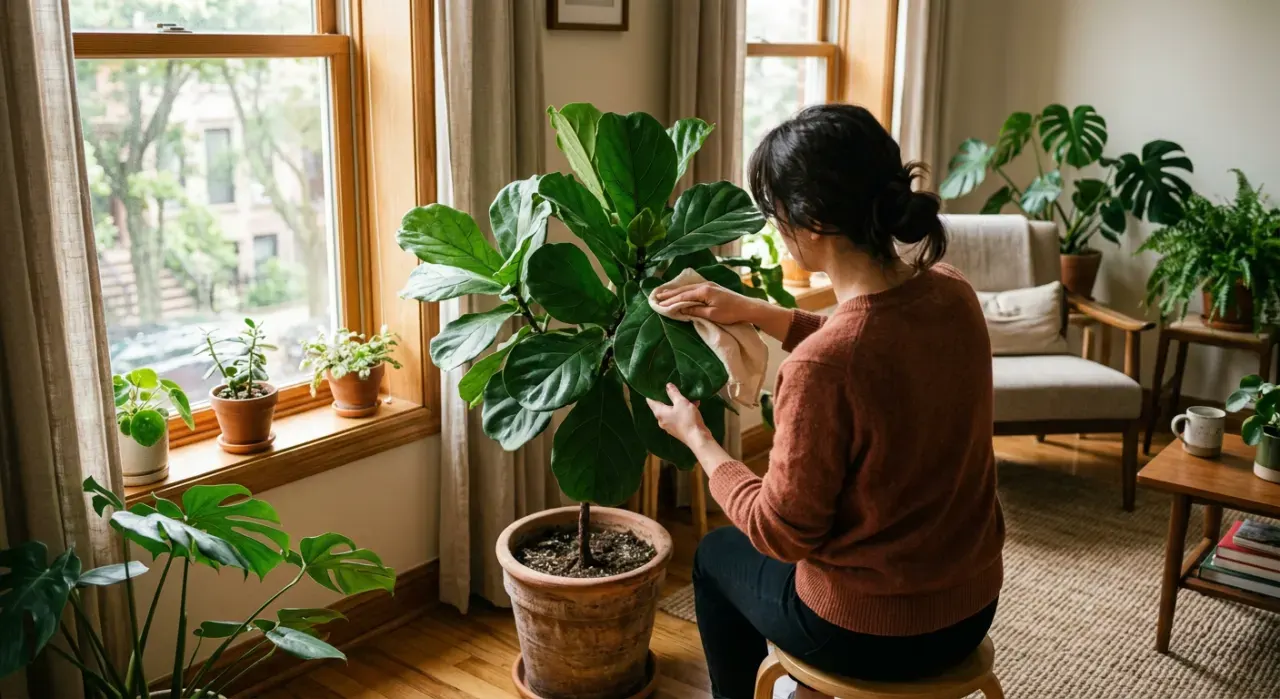
ZZ plants hide thirst well because of their rhizome reserves, so they rarely wilt dramatically. The subtle cues are a loss of the leaves' usual glossy shine, slight wrinkling of the stems, and, after long dryness, yellowing of the oldest leaves. None of these are as urgent as the overwatering signs, because a ZZ plant tolerates drought for a remarkably long time.
The reliable test remains the soil. Check to the bottom of the pot: if it is bone dry throughout, give it a thorough soak; if any moisture lingers, wait. Given the choice, a ZZ plant would rather be a bit too dry than a bit too wet, so when you are unsure, waiting is the safe call.
Quick troubleshooting
| Symptom | Soil state | Meaning and fix |
|---|---|---|
| Yellow leaves, mushy base | Wet, musty | Overwatering, rhizome rot; dry out, inspect and trim rhizomes |
| Dull leaves, wrinkled stems | Bone dry | Thirst after long neglect; water thoroughly |
| Occasional yellow leaf | Normal | Natural aging; nothing needed |
| Leggy, stretching stems | Any | Too little light; move somewhat brighter |
| No new growth for months | Any | Normal in low light or winter; be patient |
The ZZ plant thrives on being left alone, which makes it perfect for beginners and busy people. For other tough, low-water choices, see how to grow succulents and low light houseplants. Everything else is at the houseplants and indoor greenery hub.