 Garden

Affiliate Disclosure
Some links on this page are affiliate links. As an Amazon Associate, we earn from qualifying purchases — at no extra cost to you. We do not buy, test, or physically handle the products we cover; our rankings come from aggregated owner reviews, ratings and expert consensus. Commissions never change our verdicts. How we rank · full disclosure.
The short answer: for a cool-season lawn, buy Jonathan Green. It publishes the cleanest seed analysis on the shelf and lists named improved cultivars, which is the one measurable quality difference in this category. Buy Scotts instead if inconsistent watering is your real constraint, and Pennington if you need warm-season grass or a whole range from one brand.
This page answers which brand. It does not answer which bag. Each entry names one representative product to anchor the company and nothing more — the seed-by-seed ranking is at best grass seed, which is where the buying decision actually gets made. Then narrow by species with best tall fescue grass seed, best Kentucky bluegrass seed or best Bermuda grass seed.
The Four Things That Actually Differ Between Seed Brands
Grass seed is unusual among the categories on this site because brand quality is legally disclosed. Every bag sold in the United States carries a seed analysis panel, so the single most important brand difference is printed on the packaging and almost nobody reads it. These are the axes this page ranks on:
- Seed analysis discipline. How consistently the brand keeps weed seed and inert matter low, and whether it names cultivars or hides behind a species name.
- Range breadth. Cool-season only, or cool and warm season, plus repair products and budget lines. This decides whether the brand can serve you at all.
- Coating policy. Coated seed germinates better under poor watering and gives you fewer seeds per pound. Brands take different positions and both are defensible.
- The program cost. Seed is bought once; the fertilizer program the brand steers you toward is bought four times a year for as long as you own the lawn.
Notice what is missing: germination speed. It feels like a brand quality and it is mostly a species characteristic, which is why a bag padded with fast annual rye looks brilliant in week two and disappointing in year two.

The Brands at a Glance
How to Read the Panel That Decides Brand Quality
This is the most useful thing on the page. The analysis panel tells you exactly what you are buying regardless of what the front of the bag says, and comparing two brands on it takes about thirty seconds.
| Label line | What it means | What good looks like |
|---|---|---|
| Pure seed % | How much of the bag is the named grass | Above 95% on premium seed |
| Other crop seed % | Agricultural seed that is not what you ordered | 0.00% |
| Weed seed % | Actual weed seed you are sowing into your lawn | 0.00 to 0.05%. Above 0.5% is poor |
| Inert matter % | Coating, chaff and filler — not seed | Under 5% uncoated; much higher on coated seed |
| Germination % | Proportion that sprouted in testing | 85% or better for most species |
| Test date | When germination was measured | Within the last 9 to 12 months |
| Named cultivars | Specific improved varieties | Named varieties beat a bare species listing |
Two conclusions follow immediately. A cheap bag at 0.5 percent weed seed sows tens of thousands of weed seeds across a lawn — that is what makes budget seed expensive later. And a bag listing a species with no named cultivar is generic seed, which will be less disease-resistant and less consistent than a bag naming specific improved varieties.
Our #1 Brand: Jonathan Green
Jonathan Green is a small family-run New Jersey company that has been breeding and selling grass seed since 1881, and it competes with the mass-market giants on exactly one axis: what is actually in the bag.
What it does better than the others. Seed analysis discipline, consistently, across the whole range rather than on a flagship product. The Black Beauty line is built on turf-type tall fescues selected for a deep root system, a waxy leaf cuticle that reduces water loss, and a naturally dark color that holds without heavy nitrogen — tall fescue is the species Penn State Extension calls the most heat- and drought-tolerant of the cool-season turfgrasses. Those are varietal characteristics rather than coatings, which means they persist for the life of the lawn rather than for the establishment window.
The review pattern is distinctive and worth noting: a large share of the positive reviews come from people who had already bought a supermarket blend, been disappointed, and switched. In a category where site conditions dominate outcomes, that is the most informative kind of review available.
Consensus Score █████████░░ 8.7 — the strongest seed-quality consensus of any brand in the American market.
Where it is weak, and it is genuinely weak in places. Price runs well above mass-market seed, often 50 to 100 percent more per pound, which is real money on a large lawn. Establishment is slower, because the blends are not padded with fast-germinating annual rye. Distribution is narrow — it is not stocked in every hardware store, which matters if you run out mid-application. And it is a cool-season specialist with no warm-season range at all, so for a southern lawn the excellent analysis panel is simply irrelevant. Our longer look at the company is in the Jonathan Green review.
Check price on Amazon → (paid link)

The Brands, Ranked

Best for a cool-season lawn you intend to keep and improve for years
- Family-owned New Jersey company, selling seed since 1881
- Consistently the cleanest seed analysis on the shelf
- Named improved cultivars rather than generic species
- No warm-season range at all
Why buy it: Jonathan Green competes on one axis and wins it: what is genuinely inside the bag, measured on a legally required panel anyone can read.
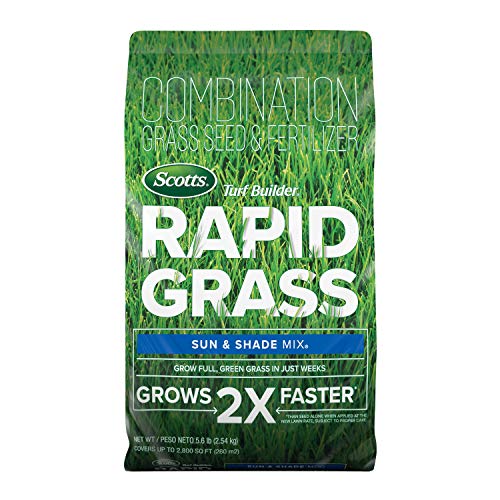
Best for anyone who cannot water four times a day and wants a result anyway
- The widest distribution of any lawn brand in America
- Seed coating that holds moisture against the seed
- Covers every job from new lawn to bare-patch repair
- A four-step feeding program that is a recurring cost
Why buy it: Scotts engineers around what homeowners actually do rather than what the label assumes, and its coatings genuinely raise germination for people who water inconsistently.
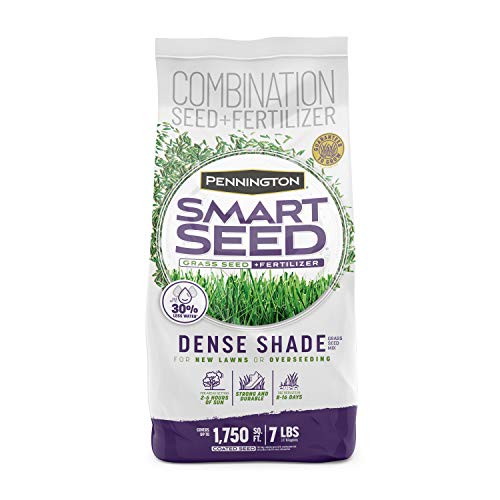
Best for a household that needs cool-season, warm-season and budget options from one brand
- The only brand here spanning fescue, bluegrass, Bermuda and Bahia
- Owned by Central Garden and Pet since 1998
- Smart Seed line selected for lower water requirement
- Quality varies across the range — read each panel
Why buy it: Pennington is the one brand that can answer a northern lawn, a southern lawn and a rough back paddock without you leaving the range.

Best for chasing a specific species or a fine, fairway-style turf texture
- A Lebanon Seaboard brand, with a professional turf heritage
- Multi-cultivar blends rather than all-purpose mixes
- Fine leaf texture and strong color
- Narrow distribution compared with the big three
Why buy it: GreenView blends several cultivars of one species, which is standard golf-course practice because a disease that hits one variety does not take the whole lawn.
Quick Comparison
| Product | Best for | Rating | Price | Buy |
|---|---|---|---|---|
| Jonathan Green Black Beauty Original Grass Seed Blend, Cool Season Lawn Seed, 15 lb | Best Brand Overall — Jonathan Green | — | Check (paid link) | |
| Scotts Turf Builder Rapid Grass Sun and Shade Mix with Fertilizer, 5.6 lb | Best Mass-Market Brand — Scotts | — | Check (paid link) | |
| Pennington Smart Seed Dense Shade Mix Grass Seed for Lawn | Best Value and Range Brand — Pennington | — | Check (paid link) | |
| GreenView Pure Grass Seed Kentucky Bluegrass Blend, 3 lb Bag | Best Specialist Brand — GreenView | — | Check (paid link) |
Range, Ownership and the Program Behind the Bag
| Brand | Ownership | Cool season | Warm season | Coating policy | Recurring program |
|---|---|---|---|---|---|
| Jonathan Green | Family-owned, New Jersey, since 1881 | Deep, premium | None | Largely uncoated | Soil-first feeding program |
| Scotts | Scotts Miracle-Gro, Ohio | Very wide | Yes, within Turf Builder | Coated across most lines | The most developed four-step program |
| Pennington | Central Garden and Pet since 1998 | Wide, budget to premium | Yes — Bermuda and Bahia | Treated and coated lines | Own fertilizer range |
| GreenView | Lebanon Seaboard, Pennsylvania | Species-specific blends | Limited | Largely uncoated | Professional-heritage fertilizer line |
The column most buyers skip is the last one. Seed is a one-time purchase of maybe $40 to $80; the feeding program the brand steers you toward is typically four applications a year for as long as you own the lawn, and over five years that is several times the cost of the seed. It is the closest thing this category has to the filter economics that dominate air purifiers, and it is worth pricing before you pick a side. Start with when to apply lawn fertilizer and best lawn fertilizer.
How We Rank Brands
We never buy or physically handle the products on this site. On a brand page we weight different evidence from a product roundup. Seed analysis discipline across the range carries the most weight, because it is the most objective measure available in this category and because a brand with one excellent bag and four padded ones is not a safe brand. Germination consistency is read from owner reports across many seasons and regions. Lawn condition at twelve months matters far more than at eight weeks. Value per pound of pure seed is adjusted for coating and inert content rather than taken from the bag price. And we check range coverage and distribution, since a brand that cannot serve your region is not a candidate however good its seed is. Prices and star ratings move; the complaint pattern does not. Full method on how we rank.
The Brands, Assessed
1. Jonathan Green — Best Brand Overall
Covered above. Who it is for: a cool-season homeowner building a lawn to keep. What it does better: the cleanest and most consistent seed analysis across a whole range, named improved cultivars, and varietal traits that persist rather than fade with the coating. Where it is weak: price, slower establishment, narrow retail distribution, and no warm-season range whatsoever.
2. Scotts — Best Mass-Market Brand
Who it is for: the homeowner who will water diligently for a fortnight and then get busy, which is most homeowners. Scotts dominates American lawn care because its products are engineered around real behavior rather than ideal behavior. The WaterSmart coating absorbs and holds moisture against the seed, measurably improving germination under exactly those conditions, and the range covers every job from a new lawn to a bare patch. It also has the widest distribution of any brand here, which matters more than it sounds when you run short on a Sunday.
What it does better: germination reliability under imperfect watering, availability everywhere, a published money-back guarantee across much of the line, and genuine coverage of both new lawns and repairs. Where it is weak: coating weight means fewer seeds per pound, so the bag price flatters it; it generally lists species rather than named cultivars; its weed seed allowance is higher than the premium brands; the color it produces is good rather than exceptional; and the four-step program it steers you into is the largest recurring cost in this comparison. Our look at that program is in the Scotts Turf Builder review.
3. Pennington — Best Value and Range Brand
Who it is for: anyone whose needs do not fit neatly in one box — a southern lawn, a mixed property, or a household buying both a premium front lawn mix and cheap seed for a rough slope. Pennington, owned by Central Garden and Pet since 1998, is the only brand here that spans budget Kentucky 31, the drought-selected Smart Seed line, Bermuda and Bahia. Its Smart Seed products are selected for reduced water requirement, which in a metered-water household is an operating saving rather than a marketing claim.
What it does better: range breadth by a wide margin, genuine warm-season coverage, a credible water-saving line, and the lowest cost per pound in the category at the budget end. Where it is weak: quality varies considerably across a range that stretches from premium to commodity, so the brand name alone tells you less than it does with Jonathan Green — you have to read each panel. Establishment is slower than coated seed. Coverage figures often assume overseeding rather than new-lawn rates, which catches people out. And the budget lines are coarse-bladed and clumping, which is honest for what they are but disappointing to anyone expecting fine turf.
4. GreenView — Best Specialist Brand
Who it is for: someone chasing a particular species or a particular look rather than an all-purpose result. GreenView is a Lebanon Seaboard brand with a professional turf heritage, and it sells species-specific blends instead of catch-all mixes. Its bluegrass blend uses multiple cultivars, which is standard golf-course practice for a sound reason: disease resistance varies between varieties, so a blend means an outbreak that hits one cultivar does not take the entire lawn.
What it does better: fine leaf texture, strong color, multi-cultivar disease resilience, and a level of species focus the mass-market brands do not attempt. Where it is weak: narrow distribution and a much smaller review base than the big three, so the owner evidence is thinner; prices above mass-market seed; limited warm-season coverage; and the slow germination inherent to Kentucky bluegrass, which is a species characteristic rather than a brand failing but disappoints buyers all the same.
What Owners Complain About, Whatever the Brand
Across every brand, grass seed complaints cluster into five things and only two are really about the seed. Poor germination dominates, and the overwhelming majority of those reviews describe watering that stopped too early or a seedbed that dried out — species take 8 to 30 days depending on type, and expectations set by ryegrass do not transfer to bluegrass. Weeds in the new lawn is second and is a genuine brand issue, which is precisely why the analysis panel sits at the top of our weighting. Coverage falling short is third, usually because the bag figure quotes the overseeding rate. Coating weight is a legitimate value complaint on coated products. And old seed is fifth — germination drops 10 to 20 percent per year, and bags bought late in a season may already be a year old, which is covered in does grass seed go bad.
How to Choose Between These Brands
- Region first. Cool-season or warm-season. This eliminates Jonathan Green immediately for a southern lawn, however good its seed is.
- Then watering honesty. If you cannot water three or four times a day on bare ground, Scotts coated seed will outperform better uncoated seed. If you can, uncoated gives you more seed per dollar.
- Then read the panel. Weed seed under 0.05 percent, pure seed above 95, named cultivars, test date within a year. This tells you more than the brand name does.
- Then price the program, not just the bag, because that is where the money goes over five years.
- Buy only what you will use this season. Storage kills viability faster than most people expect.
Then pick the actual bag at best grass seed, and work out quantity with how much a bag of grass seed covers. One point matters more than brand: seed at the correct rate and at the correct time. The best seed in America sown at half rate in July will produce a worse lawn than budget seed sown properly in September — within the cool-season window NC State Extension puts at mid-August to early October.
The Verdict
Jonathan Green is the grass seed brand the evidence supports most strongly for cool-season lawns, on the strength of what is genuinely in the bag rather than what is printed on it. Scotts is the better choice if watering discipline is your limiting factor, because the coating does real work and the guarantee is easy to use. Pennington is the brand to reach for when you need range — especially warm-season grasses — and GreenView when you want a specific species done properly. Then choose the bag in best grass seed. Check the current Jonathan Green price on Amazon → (paid link)