 Garden
Affiliate Disclosure
Some links on this page are affiliate links. As an Amazon Associate, we earn from qualifying purchases — at no extra cost to you. We do not buy, test, or physically handle the products we cover; our rankings come from aggregated owner reviews, ratings and expert consensus. Commissions never change our verdicts. How we rank · full disclosure.
The short answer: in the North and transition zone, the best grass seed for full sun is Jonathan Green Black Beauty Ultra — turf-type tall fescue rooting around four feet deep, with a waxy leaf coating that genuinely reduces moisture loss in heat. It suits open, unshaded lawns that have to survive August. In the South, Bermuda is the most heat-loving lawn grass in America and performs better the more sun it gets, with Scotts Turf Builder Bermudagrass the most reliable seeded option.
We do not buy, plant, or physically handle any seed. These rankings come from aggregated owner reviews, star ratings, review volume and expert consensus — see how we rank. For the wider field see best grass seed, and for the opposite conditions, best grass seed for shade.
Top Picks at a Glance
What Full Sun Actually Does to a Lawn
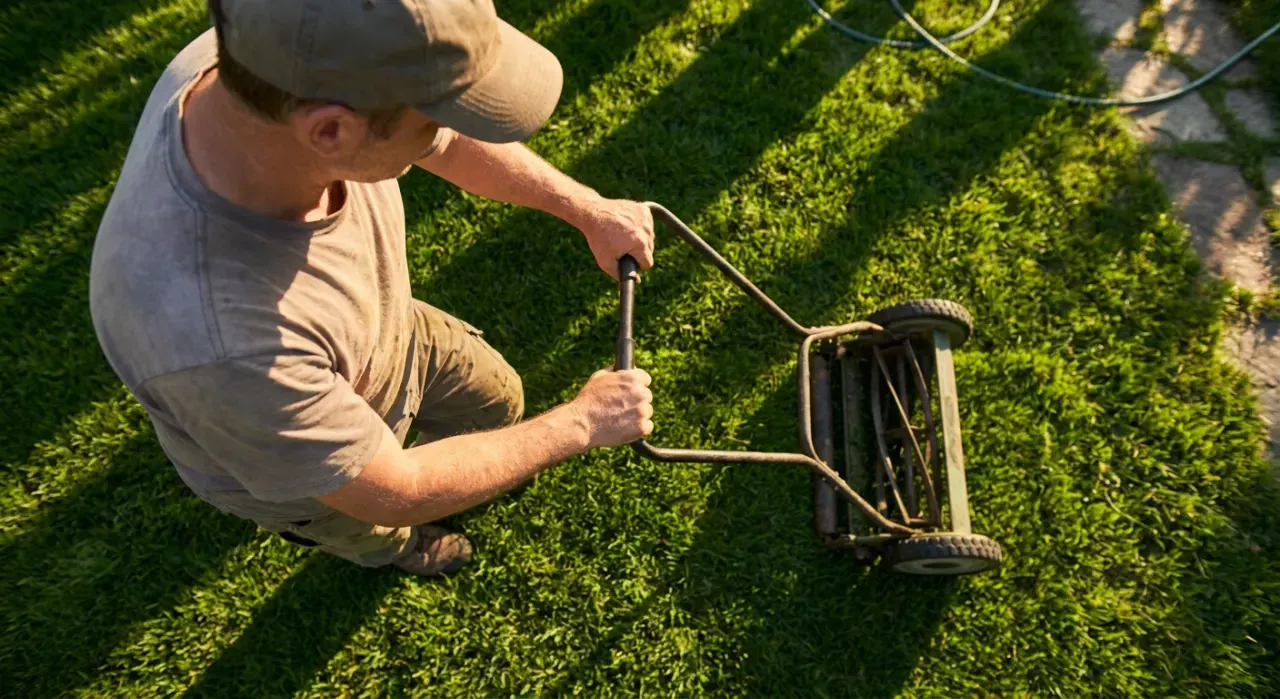
Full sun is not simply the absence of a shade problem. It is its own set of stresses, and understanding them explains why root depth dominates this category.
Six or more hours of direct sun raises soil surface temperature substantially, accelerates evaporation from the top inch of soil, and increases transpiration from the leaf. The result is that the top few inches of soil dry out fast, and any grass whose roots live in that zone is in trouble within days of the last rain.
That is why the same lawn grass behaves so differently in different conditions. Kentucky bluegrass looks superb in an open sunny lawn with irrigation, and goes brown and dormant in the same location without it, because its roots stop at six to twelve inches. Tall fescue in the same spot stays green, because it is drawing from three to four feet down where soil moisture persists.
| Grass | Sun needed | Root depth | Full sun without irrigation |
|---|---|---|---|
| Turf-type tall fescue | 4–8 hours | 3–4 feet | Stays green through most dry spells |
| Kentucky bluegrass | 6+ hours | 6–12 inches | Goes dormant and brown |
| Perennial ryegrass | 6+ hours | Shallow | Struggles badly |
| Bermuda | 7+ hours | Deep rhizomes | Thrives |
| Zoysia | 6+ hours | Moderate to deep | Good, slow to recover |
| Bahiagrass | 6+ hours | Very deep | Thrives on poor soil |
Our #1 Pick: Jonathan Green Black Beauty Ultra
For a cool-season lawn in full sun, this blend does two specific things that matter more than anything else on the bag.
First, root depth. Turf-type tall fescue roots reach around four feet, which is where the water is once the top foot has dried out in July — consistent with Penn State Extension's description of tall fescue as the most heat- and drought-tolerant of the cool-season turfgrasses. That single characteristic is why tall fescue dominates sunny lawns across the transition zone from Kansas to Virginia.
Second, and less widely known, these varieties carry a waxy cuticle on the leaf surface that reduces water loss through transpiration. It is a real physiological trait rather than a marketing line, and it compounds with root depth: the plant both loses less water and reaches more of it. Owners describe the practical effect as a lawn that holds color into a dry August when neighboring lawns have gone straw-colored.
The blend also includes Kentucky bluegrass, which spreads by rhizomes and repairs damage that tall fescue on its own would leave as bare patches, and perennial ryegrass for quick initial cover.
The complaints are consistent. Price per pound is well above mass-market seed, which is real money on a large lawn even though the seed analysis is cleaner and coverage is honest. Establishment is slower than a rye-heavy quick-cover mix, so the watering commitment runs longer. The bluegrass fraction contributes nothing visible until year two. And a species limit that no blend gets around: this is a cool-season grass. In the Deep South it will not survive summer regardless of how much sun it gets, and Bermuda or Bahia is the correct answer there.
Consensus Score █████████░░░ 8.6
Check price on Amazon → (paid link)
The Ranked Field

Best for northern and transition-zone lawns in full, unshaded sun
- Turf-type tall fescue with bluegrass and perennial rye
- Roots reach around 4 feet for drought survival
- Waxy leaf coating reduces moisture loss in heat
- Naturally dark green without heavy feeding
Why buy it: full sun means heat and drought stress, and this blend solves both with deep roots and a leaf that loses less water.

Best for southern lawns with seven or more hours of direct sun
- Bred for full sun and high drought resistance
- Seed, fertilizer and soil improver in one bag
- WaterSmart coating holds moisture at the seed
- Spreads aggressively to fill bare ground
Why buy it: Bermuda is the most heat-loving lawn grass in America and actually performs better the more sun it gets.

Best for covering big sunny areas cheaply
- Thrives on 4 to 8 hours of sun
- Deep rooting for heat and drought survival
- Tolerates low fertility and rough ground
- 25 lb covers a large area
Why buy it: the cheapest grass per pound that genuinely survives full sun and drought without irrigation.
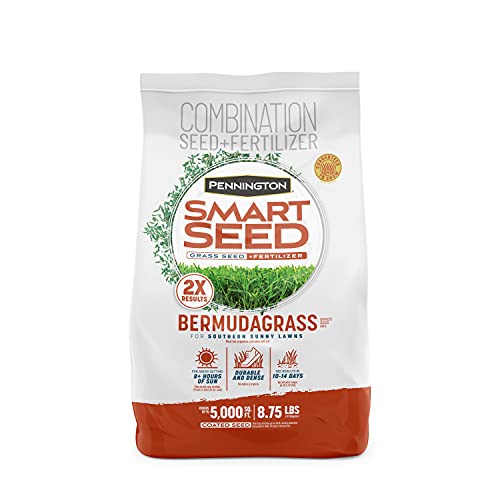
Best for sunny southern lawns where irrigation is limited
- Uses up to 30% less water once established
- Improved cold tolerance over common Bermuda
- Fertilizer included in the mix
- Exceptional heat and traffic tolerance
Why buy it: full sun and water restrictions usually arrive together, and a drought-selected Bermuda handles both.
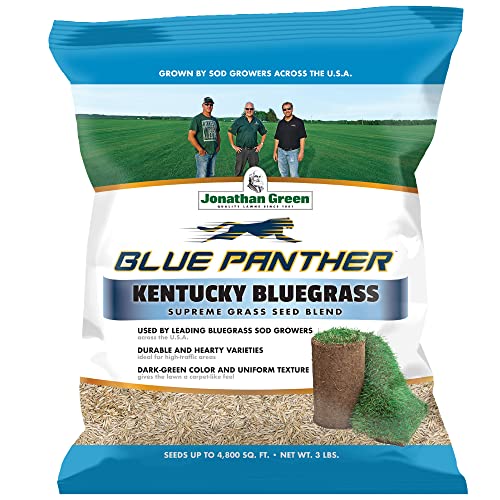
Best for northern lawns in full sun with reliable irrigation
- 100% Kentucky bluegrass — no filler species
- Needs at least 6 hours of sun to thrive
- Spreads by rhizomes to self-repair
- Naturally dark green, fine texture
Why buy it: bluegrass needs full sun to perform, so an open sunny lawn is exactly where it produces the best-looking turf there is.

Best for Gulf Coast and Florida lawns with sun and poor soil
- Ideal for sunny lawns on the Southern Coastal Plain
- Extremely deep rooting and drought tolerant
- Thrives on low-fertility sandy soil
- Finer texture than Pensacola Bahiagrass
Why buy it: the least demanding lawn grass in the South — full sun, sandy soil and minimal irrigation are its normal conditions.
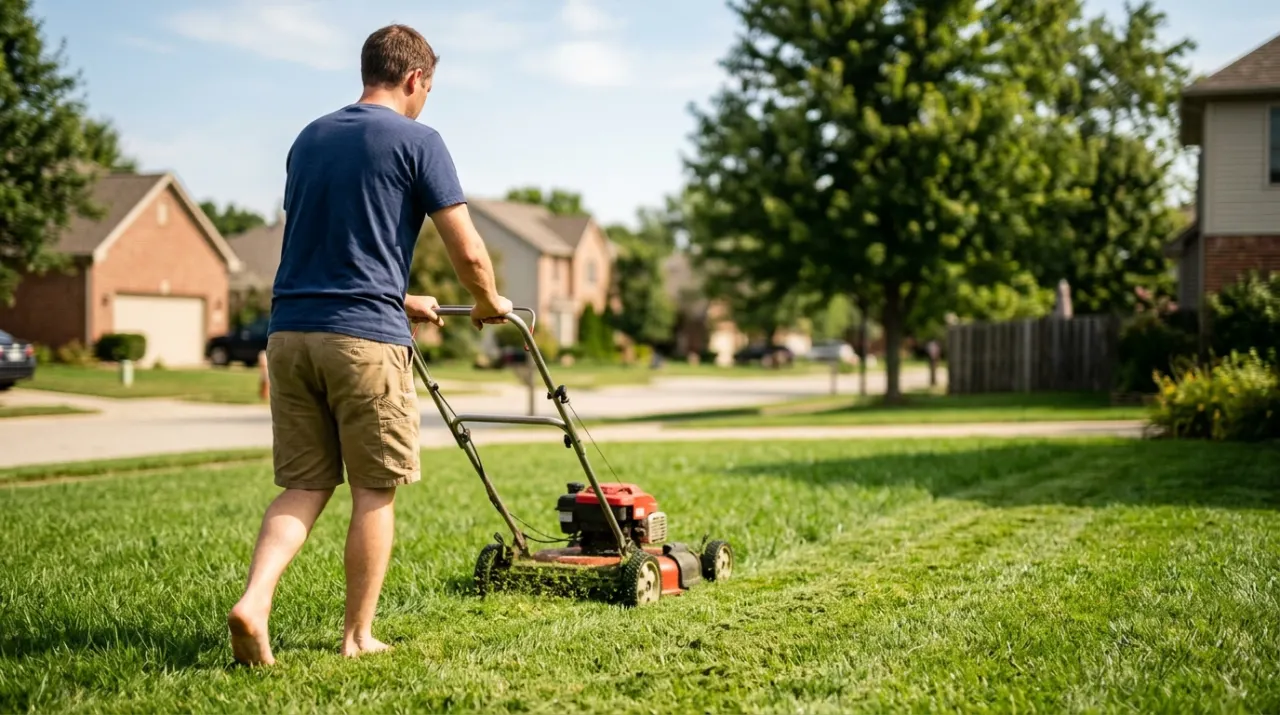
Quick Comparison
| Product | Best for | Rating | Price | Buy |
|---|---|---|---|---|
| Jonathan Green Black Beauty Ultra Grass Seed (7 lb) | Best Overall | — | Check (paid link) | |
| Scotts Turf Builder Grass Seed Bermudagrass (4 lb) | Best Southern Pick | — | Check (paid link) | |
| Pennington Kentucky 31 Tall Fescue Grass Seed (25 lb) | Best Value for Large Areas | — | Check (paid link) | |
| Pennington Smart Seed Bermudagrass Mix (8.75 lb) | Best Water-Saving Southern Pick | — | Check (paid link) | |
| Jonathan Green Blue Panther Kentucky Bluegrass Grass Seed (3 lb) | Best Northern Fine Turf | — | Check (paid link) | |
| Pennington Argentine Bahiagrass Grass Seed | Best Low-Water Southern Choice | — | Check (paid link) |
The Seeds, Reviewed
1. Jonathan Green Black Beauty Ultra — Best Overall
Covered above. Owners praise: color retention through summer heat, drought performance, dark green appearance without heavy feeding, and clean seed analysis. Owners complain about: price per pound, slower establishment, a bluegrass fraction that takes a season, and unsuitability for the Deep South.
2. Scotts Turf Builder Bermudagrass — Best Southern Pick
Bermuda is the grass that treats full sun as an advantage rather than a stress, and in the South it is the correct answer for an open lawn. The WaterSmart coating on this seed holds moisture against the seed during germination, which is what southern seedbeds most need — bare soil in June can go from damp to dust in an afternoon. Starter fertilizer and a soil improver are included. Owners praise: reliable germination from the coating, drought and heat tolerance once established, aggressive spread into bare ground, and the all-in-one bag. Owners complain about: coating weight reducing seed per pound, 60 to 90 days to fill in, complete failure in shade, invasiveness into flower beds, and winter dormancy that turns the lawn brown.
3. Pennington Kentucky 31 (25 lb) — Best Value for Large Areas
When the sunny area is large and the budget is not, Kentucky 31 is the answer. It is the same species as premium turf-type fescue with the same deep roots and heat tolerance, at a fraction of the price, and it tolerates low fertility and rough treatment. Thrives on four to eight hours of sun. Owners praise: price per pound, survival in heat and drought, reliable germination, and toughness on slopes. Owners complain about: a coarse wide blade that looks like pasture rather than lawn, clumping habit, poor blending with fine turf, and a lighter green color.
4. Pennington Smart Seed Bermudagrass Mix — Best Water-Saving Southern Pick
Full sun and water restrictions usually arrive in the same summer, and this addresses both. Smart Seed selection cuts water need by up to 30 percent once established, and the improved cold tolerance means the lawn survives transition-zone winters that thin out common Bermuda. Fertilizer is included and the bag size suits a real lawn. Owners praise: reduced irrigation need, winter survival further north than expected, density once established, and traffic tolerance. Owners complain about: price, slower initial germination than coated Scotts seed, and results that vary sharply with seedbed preparation.
5. Jonathan Green Blue Panther Kentucky Bluegrass — Best Northern Fine Turf
If you have full sun, reliable irrigation and a northern climate, bluegrass produces the best-looking cool-season lawn there is — fine texture, deep color, and a spreading habit that heals damage without reseeding. Blue Panther is 100 percent bluegrass rather than a blend padded with cheaper rye. Owners praise: uniform carpet appearance, dark color, self-repair, and density once mature. Owners complain about: slow germination taking up to 30 days, a full season to fill in, high water demand that becomes obvious in a sunny lawn, and dormancy in drought.
6. Pennington Argentine Bahiagrass — Best Low-Water Southern Choice
The least demanding lawn grass in the South. Bahiagrass evolved on the sunny, sandy, low-fertility soils of the Southern Coastal Plain, so full sun and poor ground are its normal conditions rather than a challenge. It roots extremely deep and needs less irrigation and fertilizer than anything else that will grow in Florida. The Argentine variety is finer and darker than the older Pensacola type. Owners praise: survival with minimal input, drought tolerance, low fertility requirement, and toughness. Owners complain about: a coarse open texture, prolific tall seed heads requiring frequent summer mowing, slow germination up to 28 days, and a lighter color than St. Augustine or Bermuda.
What Owners Actually Complain About
Full-sun seeding failures follow a consistent pattern. Burning out in the first summer is the top complaint, and it is usually spring seeding: a lawn sown in April has not rooted deeply enough to survive July, and fall seeding produces dramatically better results for cool-season grass. Seedbed drying during germination is second and is far harsher in full sun than in shade — the surface can dry between waterings on a hot afternoon. Wrong species for the region is third, and cuts both ways: cool-season grass in the Deep South, and Bermuda seeded in the northern tier where it will not survive winter. Slow Bermuda fill-in is fourth and is normal rather than a defect. And brown lawns in July is fifth, which on bluegrass is dormancy rather than death, and on any grass is usually a mowing-height problem as much as a species problem.
How to Establish a Full-Sun Lawn
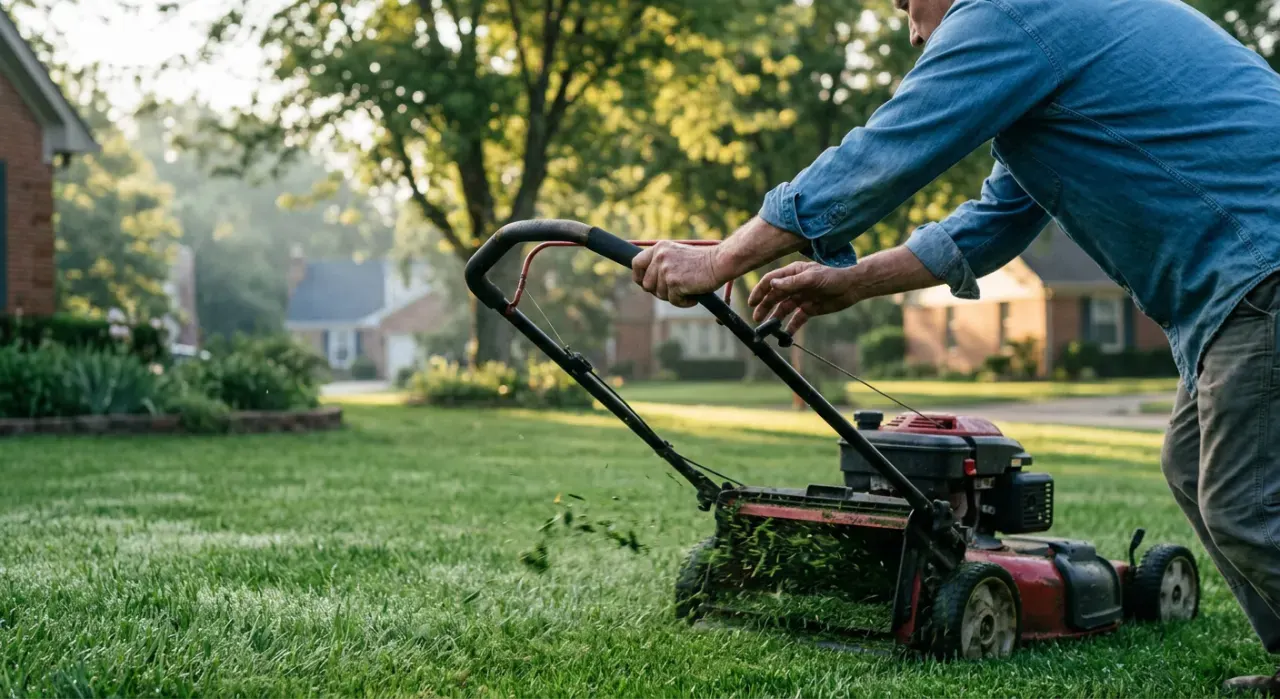
Species choice is the first decision and mowing height is the second, and the second is the one most people get wrong.
- Pick by region, not just by sun. Cool-season grass north of the transition zone, warm-season grass south of it. Sun exposure narrows the choice within that; it does not override it.
- Seed at the right time. Early fall for cool-season, late spring to early summer for warm-season. Spring-seeded cool-season lawns rarely survive their first full-sun summer.
- Mow high. Raise the deck an inch above what feels normal — Penn State Extension recommends keeping most lawns at 2 inches or above. Taller grass has deeper roots and shades its own crown, which is the single most effective defense against sun stress — see mowing height by grass type.
- Water deeply and infrequently. Shallow daily watering trains roots to stay near the surface, which is exactly wrong in full sun. About an inch a week in one or two soakings — see how much to water a lawn.
- Do not over-fertilise in spring. Heavy nitrogen produces soft top growth on a shallow root system, which is the growth that collapses in July.
How We Rank Grass Seed
We never buy or physically handle the products on this site. We read the owner-review record at scale, weighting four things. Drought and heat performance of the species, checked against published extension data rather than packaging claims. Germination consistency as owners report it, since full-sun seedbeds are harder than shaded ones. Condition at 12 months rather than eight weeks, because the summer after seeding is the real test. And seed analysis quality, including weed seed and inert content. Prices and star ratings move; the complaint pattern does not.
The Verdict
Jonathan Green Black Beauty Ultra is the full-sun seed the owner-review record supports most strongly for northern and transition-zone lawns, because deep roots plus a low-transpiration leaf is exactly the combination sun stress demands. In the South, Scotts Turf Builder Bermudagrass is the reliable seeded choice, and Pennington Kentucky 31 covers large sunny areas for the least money. Bluegrass only makes sense here if you can irrigate consistently.
Next: get the timing right with the best time of year to plant grass seed, compare species in fescue vs Bermuda grass, or feed new seedlings with the best fertilizer for new grass.