 Garden
Affiliate Disclosure
Some links on this page are affiliate links. As an Amazon Associate, we earn from qualifying purchases — at no extra cost to you. We do not buy, test, or physically handle the products we cover; our rankings come from aggregated owner reviews, ratings and expert consensus. Commissions never change our verdicts. How we rank · full disclosure.
The short version: the best charcoal for most grilling is Kingsford Original briquettes — uniform, predictable, ready in about fifteen minutes and available everywhere, which is why almost every published charcoal count and cook time assumes it. Switch to Royal Oak lump when you want hotter, cleaner fires for barely more money, step up to Jealous Devil Chunx XL for long cooks, and use FOGO in a kamado where low ash keeps the vents clear.
Below is the ranked field, the real difference between lump and briquettes, what owners complain about in each bag, and how much you actually need.
Top Picks at a Glance
Our #1 Pick: Kingsford Original Briquettes
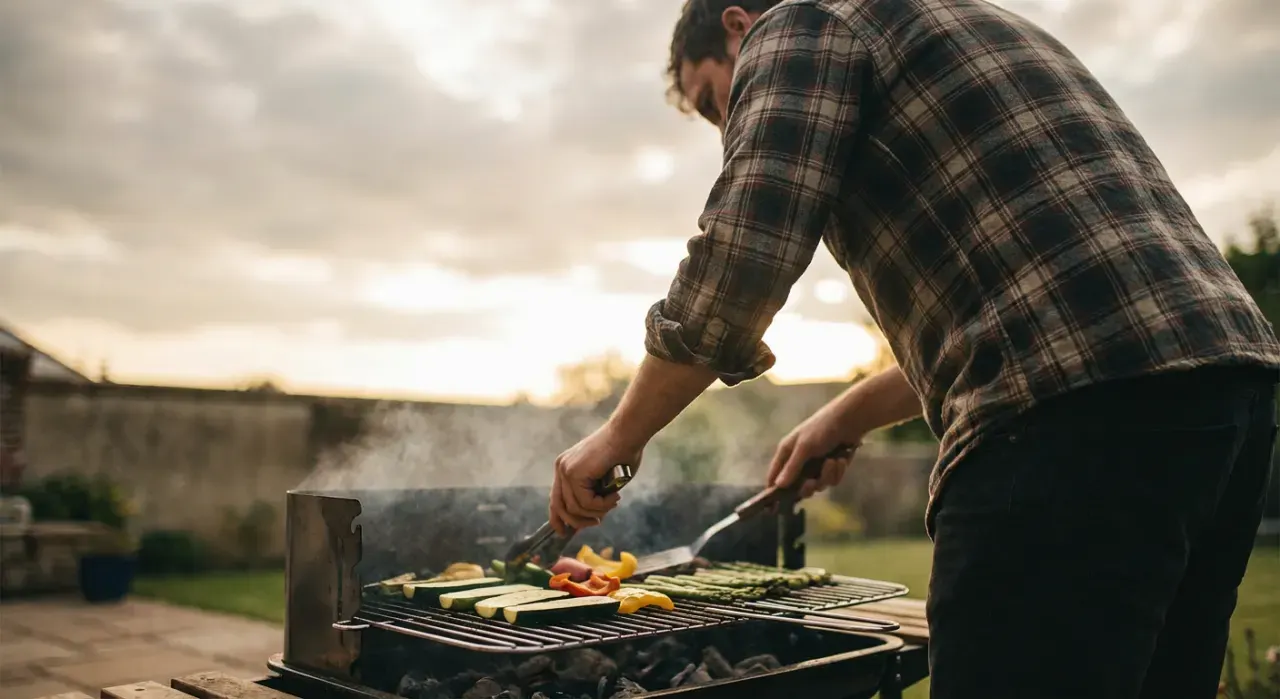
Kingsford is the default answer and it deserves to be, for a reason that is easy to undervalue: every briquette is the same size, the same density and the same composition, so a given number of them produces a predictable amount of heat for a predictable amount of time. That consistency is the foundation of nearly every charcoal grilling technique in print. When a recipe says twelve lit coals on a snake at 250°F, or a full chimney for searing, the number assumes a standard briquette. Lump charcoal, which comes in pieces ranging from fist-sized chunks to dust, simply cannot be counted that way.
In practice a chimney of Kingsford is ready to cook in about fifteen minutes, holds grilling temperature for roughly 45 to 60 minutes on an open kettle, and takes a lid-down low-and-slow arrangement several hours. It lights reliably even when it has been in the garage a while, and it is on the shelf at every grocery store in the country in July, which matters more than any spec when you are cooking on a Saturday.
Consensus Score ████████░░ 8.8
The complaints are consistent and fair. Ash is the loudest — briquette binders and mineral content mean a lot more ash than lump, and on a small grill or a kamado that ash eventually restricts airflow and drops your temperature mid-cook. Peak heat is lower than lump, so genuine steakhouse searing takes more coals and more patience. Some owners describe a faint chemical smell during the first few minutes of lighting, which dissipates once the coals ash over but bothers people who have switched to lump. And Kingsford has changed its formulation more than once over the years, which generates a steady stream of reviews from long-time users arguing the old bags burned longer.
Check price on Amazon → (paid link)
Best Charcoal 2026: The Ranked Field

Best for predictable weeknight grilling on any kettle
- Uniform briquettes for even, repeatable heat
- Ready to cook in about 15 minutes from a chimney
- Burns roughly 45–60 minutes at grilling temperature
- Available in almost every grocery and hardware store
Why buy it: the most predictable fuel in the category — uniform size means uniform burn, which is why nearly every published cook time and charcoal count assumes it.
Best for hotter, cleaner fires without a premium price
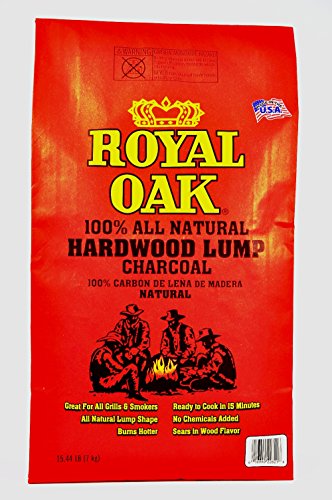
- Oak, hickory, maple and walnut hardwoods
- No binders, fillers or accelerants
- Lights faster and burns hotter than briquettes
- Leaves noticeably less ash
Why buy it: the widest-available real lump charcoal, which gets you searing temperatures and clean wood smoke for barely more than briquette money.

Best for long cooks where you refuse to add fuel mid-session
- Extra-large South American hardwood chunks
- Very low ash and almost no sparking
- Burns hot and long — hours per load
- Paper bag with minimal dust
Why buy it: unusually large, dense chunks that hold temperature for hours, which is exactly what a low-and-slow cook needs and what cheap lump cannot do.

Best for ceramic kamados and high-heat searing
- Dense Central American hardwood, hand-selected pieces
- Lights in about 15 minutes and burns very hot
- Low ash so the kamado vents stay clear
- Restaurant-grade consistency between bags
Why buy it: the low-ash, high-density lump that kamado owners keep coming back to, because ash buildup choking the lower vent is the main failure mode in a ceramic cooker.

Best for briquette consistency with lump-grade cleanliness
- Oversized pillow briquettes, no fillers or binders
- Very long burn per load
- Minimal ash for a briquette
- Boxed rather than bagged, so less breakage
Why buy it: the uniform shape of a briquette without the mineral binders — the compromise for people who want repeatable heat and clean smoke at the same time.

Best for smoke flavor without messing with wood chunks
- Hickory wood blended into the briquette
- Same light time and burn profile as Kingsford Original
- Consistent flavor without soaking chips
- Works on kettles, barrels and offsets
Why buy it: a genuine hickory note built into the fuel, which is the easiest way to get smoke flavor on a weeknight when you are not managing a smoker.
Quick Comparison
| Product | Best for | Rating | Price | Buy |
|---|---|---|---|---|
| Kingsford Original Charcoal Briquettes, 16 lb Bag | Best Overall | — | Check (paid link) | |
| Royal Oak 100% All Natural Hardwood Lump Charcoal, 15.4 lb Bag | Best Value Lump | — | Check (paid link) | |
| Jealous Devil Chunx XL Lump Charcoal, 20 lb Paper Bag | Best Premium Lump | — | Check (paid link) | |
| FOGO FB8 Premium Hardwood Lump Charcoal, 17.6 lb Bag | Best for Kamado Grills | — | Check (paid link) | |
| Jealous Devil Max XL All Natural Hardwood Charcoal Pillow Briquets, 20 lb Box | Best Long-Burn Briquette | — | Check (paid link) | |
| Kingsford Original Charcoal Briquettes with Hickory, 16 lb Bag | Best Flavored | — | Check (paid link) |
Burn Comparison
| Charcoal | Type | Light time | Peak heat | Ash | Best use |
|---|---|---|---|---|---|
| Kingsford Original | Briquette | ~15 min | Moderate | High | Everyday grilling |
| Royal Oak Lump | Lump | ~10–12 min | High | Low | Searing, general |
| Jealous Devil Chunx XL | Lump | ~12–15 min | Very high | Very low | Long cooks |
| FOGO Premium | Lump | ~15 min | Very high | Very low | Kamado, searing |
| Jealous Devil Max XL | Briquette | ~15–20 min | High | Low | Long, repeatable cooks |
| Kingsford with Hickory | Briquette | ~15 min | Moderate | High | Smoke flavor, no chips |
How We Rank
We never buy, light or cook over the products on this site, and we say so on every ranking page. These rankings are built from aggregated owner reviews, star ratings, review volume, manufacturer specifications and expert consensus from established grilling publications. For charcoal we weight four things: heat and burn time relative to bag weight, ash production — which decides how often you clean and whether a kamado chokes mid-cook — consistency between bags, which is where cheap lump most often disappoints, and sparking and popping, a genuine safety complaint in several lump brands. Prices move sharply in and out of grilling season. Full method on how we rank.
The Charcoals, Reviewed
1. Kingsford Original — Best Overall
Covered above. What owners like: predictability, availability, reliable lighting, and a price that makes weeknight charcoal cooking realistic. What they complain about: heavy ash, lower peak heat than lump, an initial smell while lighting, and formulation changes over the years. Check price (paid link).
2. Royal Oak Lump — Best Value Lump
Royal Oak is the lump charcoal you can actually find, made from oak, hickory, maple and walnut with nothing added. It lights faster than briquettes, runs hotter, produces genuine wood smoke rather than the neutral heat of a briquette, and leaves a fraction of the ash. For most people it is the obvious first step out of briquettes.
Consensus Score ████████░░ 8.3
Recurring complaints: piece size varies enormously bag to bag, and reviewers regularly describe opening one bag of good fist-sized chunks and the next full of gravel and dust. Sparking and popping is more pronounced than with briquettes, which matters on a wooden deck. It burns faster than briquettes at the same volume, so a long cook needs refuelling. And because it is a natural product, batch consistency is genuinely lower than the premium brands charge extra to guarantee.
3. Jealous Devil Chunx XL — Best Premium Lump
Jealous Devil sells unusually large, unusually dense hardwood chunks, and the size is the product. Big dense pieces have less surface area per unit of mass, so they burn slower and hold temperature for hours rather than tens of minutes — which is precisely what a long cook needs. Ash output is minimal and sparking is close to nonexistent, both of which reviewers single out.
Consensus Score ████████░░ 8.9
Recurring complaints: the price is roughly double commodity lump and buyers say so plainly. The chunks are sometimes too large for small grills and portable cookers, and owners end up breaking them by hand. It takes longer to come up to temperature than lighter lump because of that same density. And the paper bag, while cleaner than plastic, tears easily and does not reseal against humidity.
4. FOGO Premium — Best for Kamado Grills
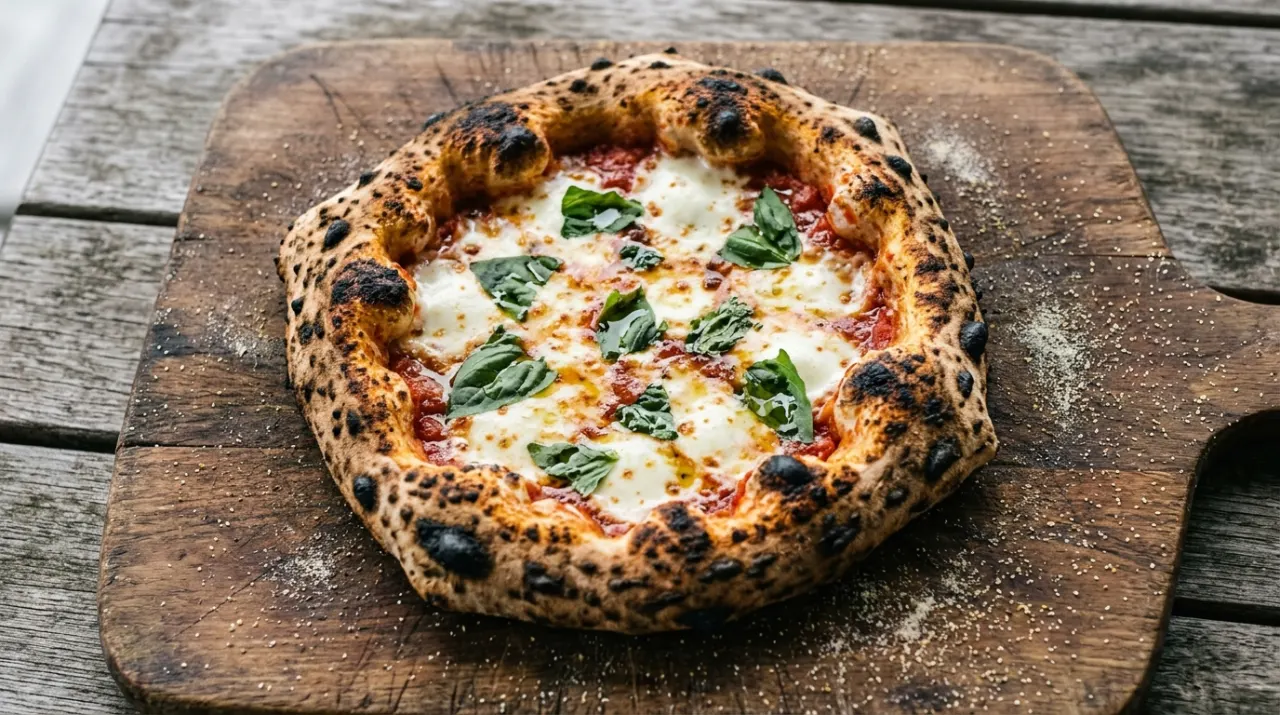
FOGO is hand-selected dense hardwood aimed squarely at ceramic cookers and high-heat searing. In a kamado, ash is not a cleaning inconvenience but a control problem: accumulated ash blocks the bottom vent and you lose the ability to hold temperature. FOGO produces very little of it and burns hot enough for the 700°F-plus pizza and sear cooks kamados are bought for.
Consensus Score ████████░░ 8.7
Recurring complaints: expensive, and reviewers note the bags contain a noticeable amount of small pieces and dust at the bottom despite the hand-selected claim. Because it burns so hot, it is easy to overshoot a target temperature in a kamado and then struggle to bring it back down. Availability is inconsistent outside grilling season. And several long-time buyers argue consistency has slipped as the brand has scaled.
5. Jealous Devil Max XL Briquettes — Best Long-Burn Briquette
The interesting middle ground: briquette shape and uniformity, but made from hardwood with no fillers or mineral binders. You get the countability and predictable burn that make briquettes useful, without the ash load and neutral flavor that make people leave them. Boxed rather than bagged, so less breakage in transit.
Consensus Score ████████░░ 8.5
Recurring complaints: slower to light than either standard briquettes or lump, which surprises people expecting briquette behavior. The price is premium-lump money for something most cooks think of as a commodity. The oversized pillows do not pack into a chimney as densely as standard briquettes, so the counts in published recipes do not translate directly. And distribution is limited compared with anything on a grocery shelf.
6. Kingsford with Hickory — Best Flavored
Hickory blended into the briquette itself. It will not replace a proper smoker with wood chunks, but for a weeknight cook where you want more than neutral heat and are not going to manage a smoke box, it is the path of least resistance — same lighting behavior, same burn time, noticeably more aroma.
Consensus Score ███████░░░ 7.9
Recurring complaints: the smoke flavor is mild, and reviewers coming from real hickory chunks describe it as a hint rather than a hickory cook. It carries the same heavy ash load as standard Kingsford. Some owners find the flavor uneven bag to bag. And it costs a little more than the plain version for a difference that a proper handful of wood chips would deliver more cheaply.
What Owners Actually Complain About
Read the low-star reviews across every charcoal brand and five themes cover almost all of them. Dust and small pieces is first, and it is overwhelmingly a lump charcoal problem — buyers open a 20-pound bag and find several pounds of it unusable. Damp bags is second: charcoal stored or shipped wet will not light properly, and it generates a lot of angry reviews that are really about warehousing. Sparking and popping is third, again concentrated in lump, and it is a legitimate safety concern on a deck or under an awning — the kind of overhead cover NFPA says a grill should never sit under. Ash volume is fourth, almost entirely about briquettes and most acute in kamados. Burns too fast is fifth, and it usually reflects a mismatch — lump used where a briquette burn profile was needed.
How to Choose Charcoal
Match the fuel to the cook rather than looking for one bag to do everything. Weeknight burgers, chicken, anything you follow a recipe for? Briquettes, because the counts and timings in that recipe were written for them. Steak, pizza, anything that needs genuine searing heat? Lump, which gets several hundred degrees hotter and does it faster. A five-hour brisket or a full rack of ribs? Either large dense lump or a long-burn briquette, arranged as a snake or minion so unlit fuel ignites progressively. A ceramic kamado? Premium low-ash lump, no exceptions, because ash in the bottom vent is the main way a kamado cook goes wrong.
Two safety notes worth stating plainly. Charcoal grills produce carbon monoxide and must never be used indoors, in a garage, or in any enclosed space — the CPSC is unambiguous about this and it kills people every year, and NFPA is equally direct that charcoal grills should only be used outdoors. And where you can use a charcoal grill at all is a local question: many apartment complexes, condo associations and municipal fire codes prohibit charcoal on balconies and within a set distance of a building, and those rules vary by jurisdiction, so check yours before buying a grill you cannot legally light.
For the whole picture, lump charcoal vs briquettes goes deeper on the trade-off, how much charcoal to use covers quantities by cooking style, and how long to let charcoal burn covers the timing that ruins most first attempts.
The Verdict
Kingsford Original is the charcoal to keep in the garage — predictable, cheap and universally available, and the fuel every published technique assumes. Add a bag of Royal Oak lump for searing nights, spend up on Jealous Devil Chunx XL or FOGO for long cooks and kamados, and try Kingsford with Hickory when you want smoke flavor without the effort. Check price on Amazon → (paid link)
More from this hub: Outdoor Living & Grills · Best charcoal grill · Best charcoal grill for smoking · How long does a bag of charcoal last · How to control temperature on a charcoal grill · How we rank