 Garden

Affiliate Disclosure
Some links on this page are affiliate links. As an Amazon Associate, we earn from qualifying purchases — at no extra cost to you. We do not buy, test, or physically handle the products we cover; our rankings come from aggregated owner reviews, ratings and expert consensus. Commissions never change our verdicts. How we rank · full disclosure.
A full chimney of briquettes keeps a kettle grill at searing temperature for about an hour, in usable 300 to 400°F grilling range for another 30 to 60 minutes, and leaves live embers for two to three hours after that. Lump charcoal runs hotter and shorter, roughly 45 to 60 minutes at high heat. The variable that matters most is not the fuel but the air: choke the bottom vent to a quarter open and the same charcoal will hold 250°F for four hours or more, which is how low-and-slow cooking works on the same hardware.
How long does each setup hold temperature?
| Setup | Temperature | Usable duration |
|---|---|---|
| Full chimney briquettes, vents open | 450–550°F | ~60 min at peak, 90–120 min total |
| Full chimney lump, vents open | 500–650°F | 45–60 min at peak, 75–90 min total |
| Two-zone bank, half chimney per side | 400°F hot / 250°F cool | 60–90 min |
| Snake or fuse method, vents choked | 225–275°F | 6–12 hrs |
| Minion method with a water pan | 225–250°F | 4–8 hrs |
| Barrel or offset firebox | 250–300°F | 2–3 hrs per fuel load |
Grill shape is a real factor here. A deep kettle traps and recirculates heat efficiently, while a shallow barrel loses more through the larger lid area — one of the practical differences in kettle versus barrel charcoal grills.
Why do the vents matter more than the charcoal?
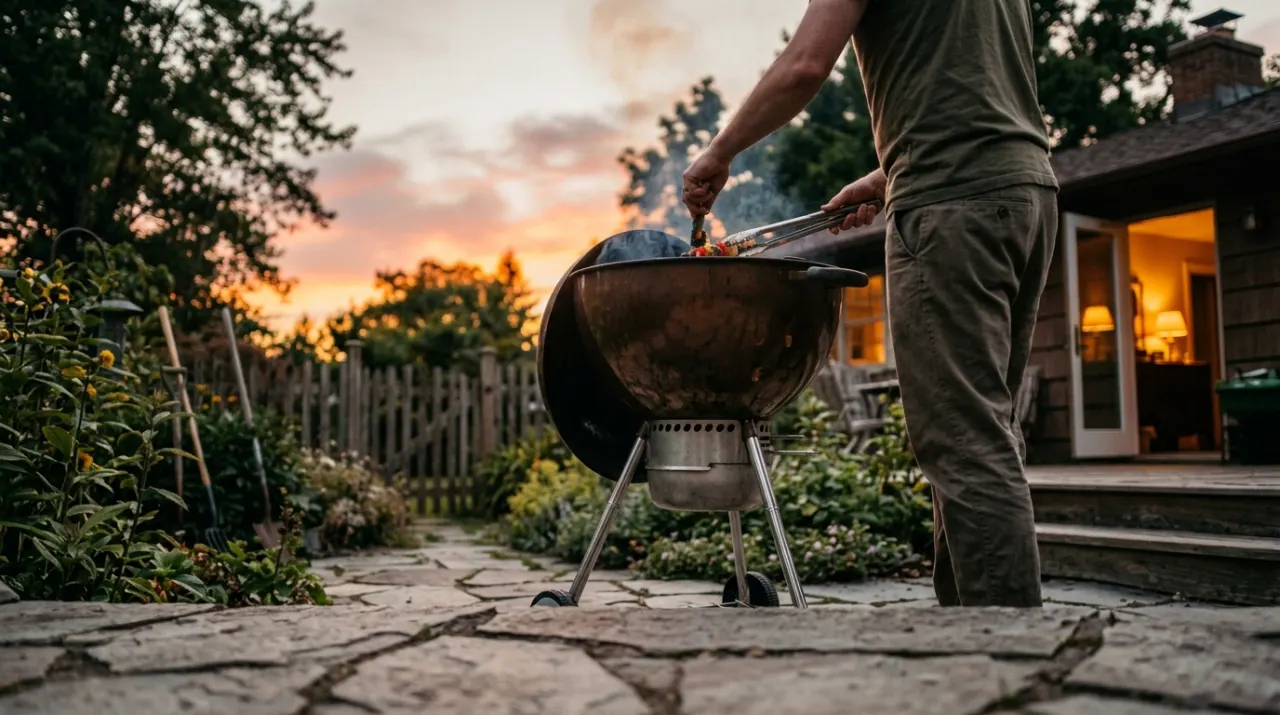
Combustion is limited by oxygen, not fuel. The bottom intake vent decides how much air reaches the coals, and the top exhaust vent decides how fast that air moves through. Wide open, a bed of briquettes burns fast and hot and is spent in about an hour. Closed to a quarter, the same bed smolders at pit-barbecue temperature for the better part of a day. Adjust the bottom vent for temperature, leave the top vent mostly open so smoke does not stall over the food, and give each change 10 to 15 minutes before judging the result. Reaching for the vents too often is why beginners chase temperature all afternoon.
How do you extend a cook past the fuel load?
Two options. Add unlit briquettes around the outer edge of the burning bed and let the fire creep into them — quiet, easy, but the grill dips for 10 minutes and smokes a little as they catch. Or light a half chimney separately and dump it in, which costs nothing in temperature but means running a second starter. For anything planned to run long, set the fuel up as a snake from the outset: a two-briquette-wide, two-deep ring around the outside of the charcoal grate, lit at one end, burning around at a steady creep. Timing that first light-up is covered in how long to let charcoal burn before cooking.
Does briquette or lump last longer?
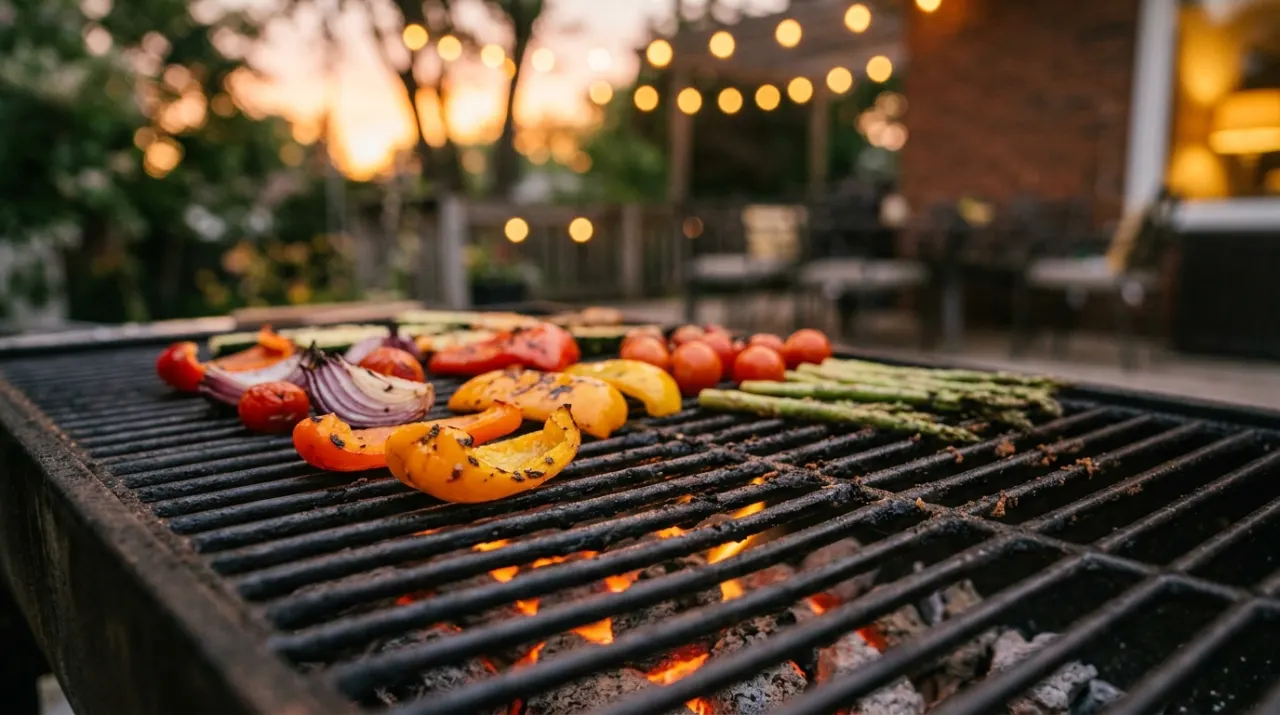
Briquettes, by a clear margin, for the same volume of fuel. They are compressed to a uniform size and density, so they burn predictably and slowly; lump is irregular, catches faster, runs hotter and burns out sooner. Lump wins on peak searing temperature and on ash volume, briquettes win on duration and consistency — the full comparison is in lump charcoal versus briquettes. For planning how much to buy across a season, see how long a bag of charcoal lasts.
How should you shut it down?
Close every vent, top and bottom, and leave the lid on. Starved of oxygen, the remaining coals extinguish within about 20 minutes and can be reused next time — a habit that meaningfully cuts charcoal spending. Do not douse the fire with water unless you have to; the thermal shock stresses the enamel and creates a slurry that is unpleasant to clean out. Leave the grill until it is cold before touching the ash, and follow CPSC guidance by soaking ashes in water before disposal in a metal container.
We do not buy, test or physically handle any product on this site — figures here come from manufacturer guidance, CPSC safety advice and aggregated owner reports. See how we rank, or browse our best charcoal grill picks.
More from this hub: Outdoor Living & Grills · Charcoal will not stay lit · Chimney timing · How we rank