 Garden


Affiliate Disclosure
Some links on this page are affiliate links. As an Amazon Associate, we earn from qualifying purchases — at no extra cost to you. We do not buy, test, or physically handle the products we cover; our rankings come from aggregated owner reviews, ratings and expert consensus. Commissions never change our verdicts. How we rank · full disclosure.
A charcoal grill that will not stay lit is almost always starved of air. The fire needs an uninterrupted draft from the bottom intake vent, up through the fuel, and out the top exhaust. Check three things in order: the bottom vent is fully open, ash is not blocking it from the inside, and the coals are touching each other rather than spread in a thin layer. Those three account for most cases. Damp charcoal, closing the lid too early, cold or windy conditions, and lighter fluid that burned off before the fuel caught cover nearly all the rest.
What are the causes, in order of likelihood?
| Cause | What you see | Fix |
|---|---|---|
| Bottom vent closed or partly shut | Fire fades within 10 min of closing the lid | Open the intake fully during light-up |
| Ash blocking the intake | Vent lever reads open but no draft | Empty the ash catcher, sweep the bowl |
| Coals spread too thin | Edge briquettes go black, center barely glows | Pile at least two deep; use a full chimney |
| Damp charcoal | Weak glow, never ashes over, heavy smoke | Fresh bag; store sealed and off the floor |
| Lid closed too early | Fire looked fine, dies after the lid goes on | Wait for 80 percent gray ash first |
| Cold or high wind | Slow start, temperature never climbs | Shelter the grill; add 25 percent more fuel |
| Lighter fluid without enough fuel contact | Big flames, then nothing | Switch to a chimney starter |

How do you confirm it is an airflow problem?
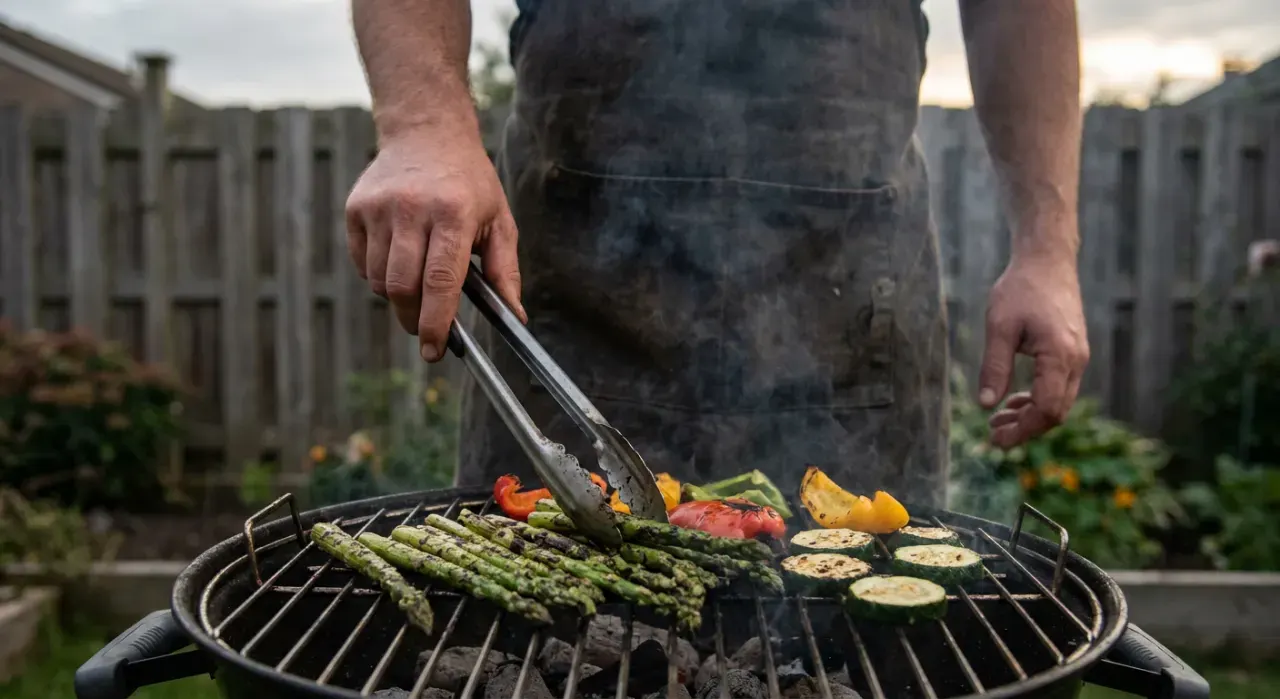
Take the cooking grate off, open the bottom vent fully, and look up into the grill from underneath with the ash catcher removed. You should see daylight through the intake and a clear path through the charcoal grate. If ash has bridged over the vent or the grate holes are packed with fine ash and old briquette dust, that is the fault, and it explains why a grill that worked perfectly in May goes out in July. A stiff brush and two minutes of work fix it. While the grate is off, check that it sits at the correct height — a warped charcoal grate resting on the bowl floor kills the draft under the fuel.
How much charcoal is enough?
Briquettes stay lit by heating each other, so contact matters more than quantity. For a 22-inch kettle, a full chimney of roughly 80 to 100 briquettes is the working baseline for direct grilling; for two-zone cooking, bank that same load to one half rather than spreading it. A single-layer bed across the full grate is the classic setup that fizzles. If you are running low on fuel mid-cook, adding unlit briquettes around the edge of a healthy bed works fine, but adding them to a struggling one just makes it worse — light a fresh half chimney instead. Fuel type shifts this too, since lump has more air gaps than uniform briquettes: see lump charcoal versus briquettes.
What is the light-up sequence that works every time?
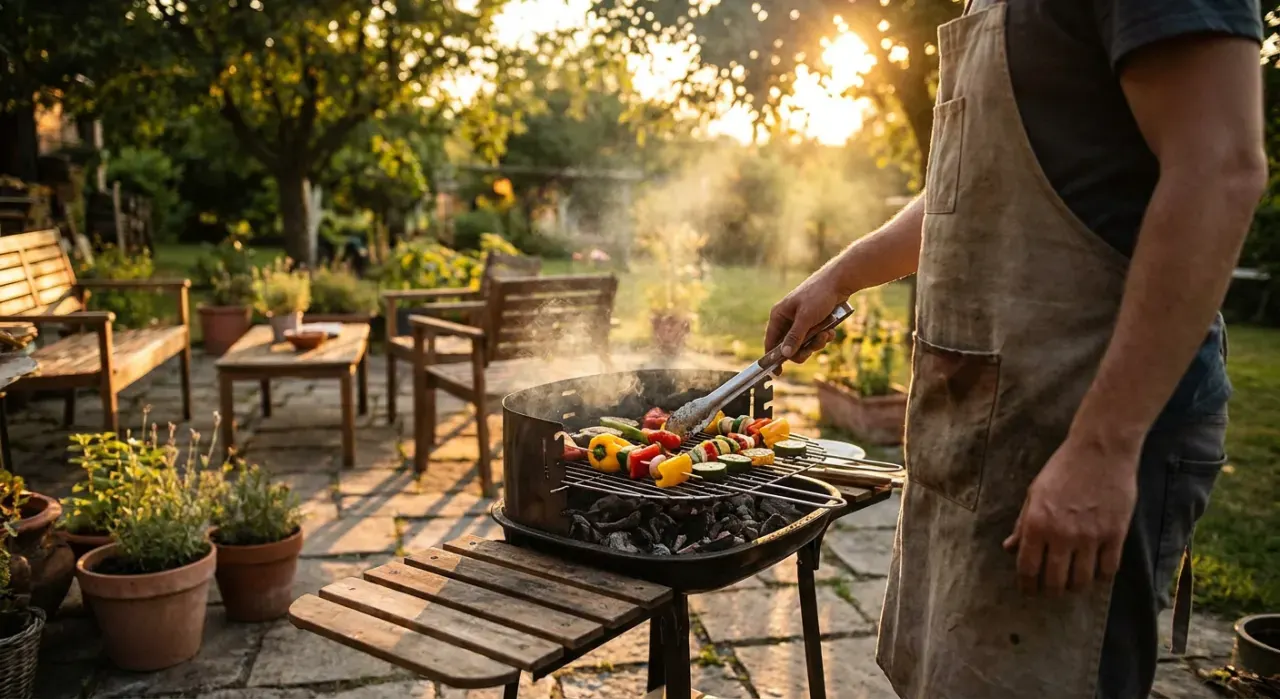
Empty the ash. Open the bottom vent fully. Fill a chimney starter, set it over two sheets of crumpled newspaper or a paraffin cube on the charcoal grate, and light. Leave the lid off. After 15 to 20 minutes the top coals will be ashed gray — dump them, spread or bank as needed, and only then put the lid on with the top vent wide open. Give the grate five minutes to heat, scrape it, and cook. Skipping the ash step or closing vents early is what breaks the sequence. Timing detail is in how long to let charcoal burn before cooking, and once you are lit, how long a charcoal grill stays hot covers holding temperature.
Could it be the grill itself?
Occasionally. Rusted-through vent dampers that no longer seal or open, a bowl with corrosion holes that let air in at the wrong point, or a badly warped lid that cannot seat all disrupt the draft. Cheap thin-steel kettles develop these faults within a few seasons; heavier enameled bowls rarely do. If the grill is old enough that the vent hardware has seized, replacement is usually the honest answer — our best charcoal grill picks flag the models owners report the fewest airflow complaints about, and the beginner picks favor designs that are hard to get wrong.
We do not buy, test or physically handle any product on this site — conclusions come from aggregated owner reviews, manufacturer guidance and expert consensus. See how we rank.
More from this hub: Outdoor Living & Grills · Chimney timing · How long a bag of charcoal lasts · How we rank