 Garden


Affiliate Disclosure
Some links on this page are affiliate links. As an Amazon Associate, we earn from qualifying purchases — at no extra cost to you. We do not buy, test, or physically handle the products we cover; our rankings come from aggregated owner reviews, ratings and expert consensus. Commissions never change our verdicts. How we rank · full disclosure.
Most pre-emergent herbicides hold a germination barrier for about 6 to 12 weeks at label rates. Prodiamine applied at the higher labeled rate is the longest lasting of the common actives, often quoted at 4 to 6 months, while pendimethalin and dithiopyr generally sit nearer the 6 to 10 week end. Heat, heavy rainfall, sandy soil and any physical disturbance of the top inch of soil shorten it. Plan a split or second application if your germination season runs longer than the residual.
How long does each active last?
Duration is a property of the active ingredient and the rate you applied, not the brand on the bag. Read the active ingredients panel.
| Active ingredient | Typical residual | Notes |
|---|---|---|
| Prodiamine | 3–6 months at high rate | Longest lasting; rate-dependent |
| Pendimethalin | 6–12 weeks | Can stain concrete and shoes |
| Dithiopyr | 6–12 weeks | Also has early post-emergent activity on young crabgrass |
| Isoxaben | 6–8 months in beds | Broadleaf focus, ornamental beds |
| Corn gluten meal | 4–6 weeks | Organic option; weaker and shorter |
Dithiopyr is worth noting because it straddles the categories — it will still take out very young crabgrass that has just emerged, which none of the others do. That does not change the rule set out in does pre-emergent kill existing weeds for established plants.
What shortens the residual?
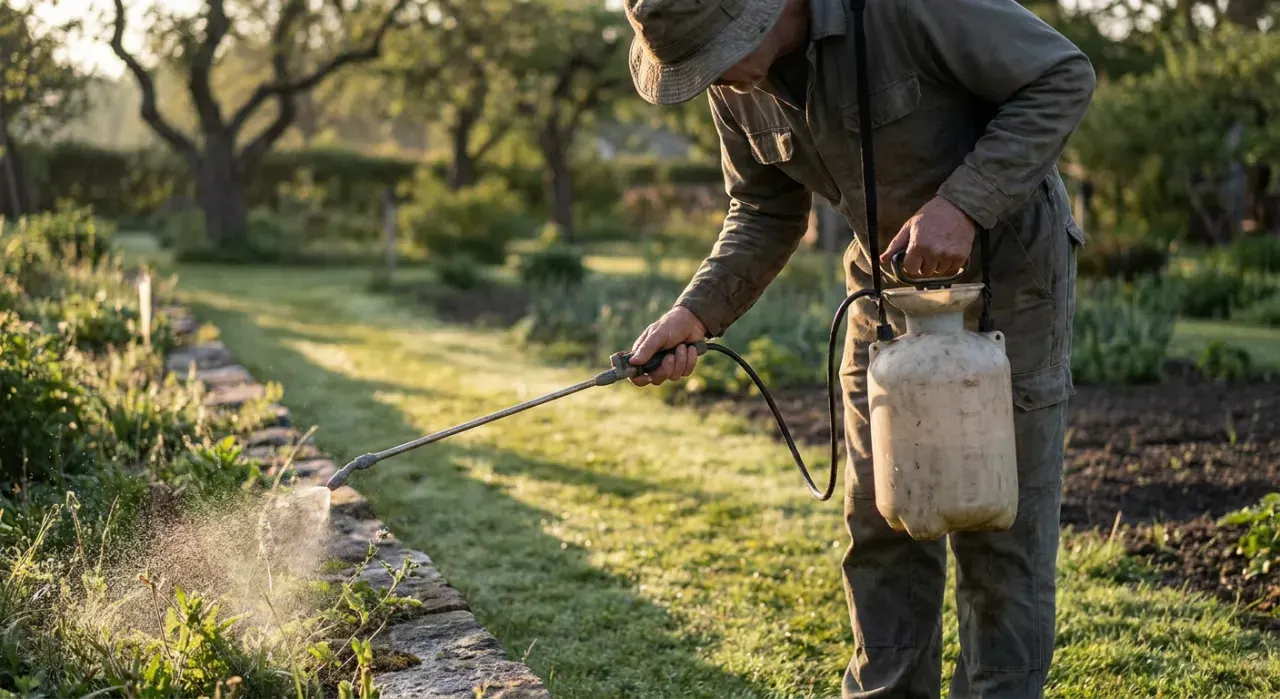
The barrier is a thin, continuous film of herbicide bound to soil particles in roughly the top inch, and everything that degrades or breaks that film costs you weeks.
- Physical disturbance. Core aeration, raking, digging, or aggressive dethatching cut channels straight through the layer. Aerate before you apply, never after.
- Heat and biological activity. Warm soil degrades the active faster, which is why southern lawns get less mileage from the same rate than northern ones.
- Heavy rain or over-irrigation. A modest quarter to half inch is needed to activate the product, but repeated heavy water can move it below the germination zone.
- Sandy, low-organic soil. Less binding capacity means less herbicide held in place.
- Sunlight on bare soil. Exposed edges and thin turf lose the barrier soonest, which is exactly why crabgrass shows up along driveways first.

Should you split the application?
In regions where germination runs for months rather than weeks, yes. A common turf approach is to apply half the seasonal rate when soil temperature at 2 inches crosses the 50 to 55 degree Fahrenheit threshold, then the remainder 6 to 8 weeks later, so the barrier is refreshed before the first application expires. The constraint is the maximum annual rate on the label, which is a legal limit in the United States and exists to protect both the turf and groundwater — a split application must fit inside it, not add to it. Two full-rate applications in quick succession also risk turf injury, especially on shallow-rooted grasses under heat stress. Timing thresholds are covered in when to apply pre-emergent herbicide and what temperature to apply pre-emergent.
How do you tell when it has run out?
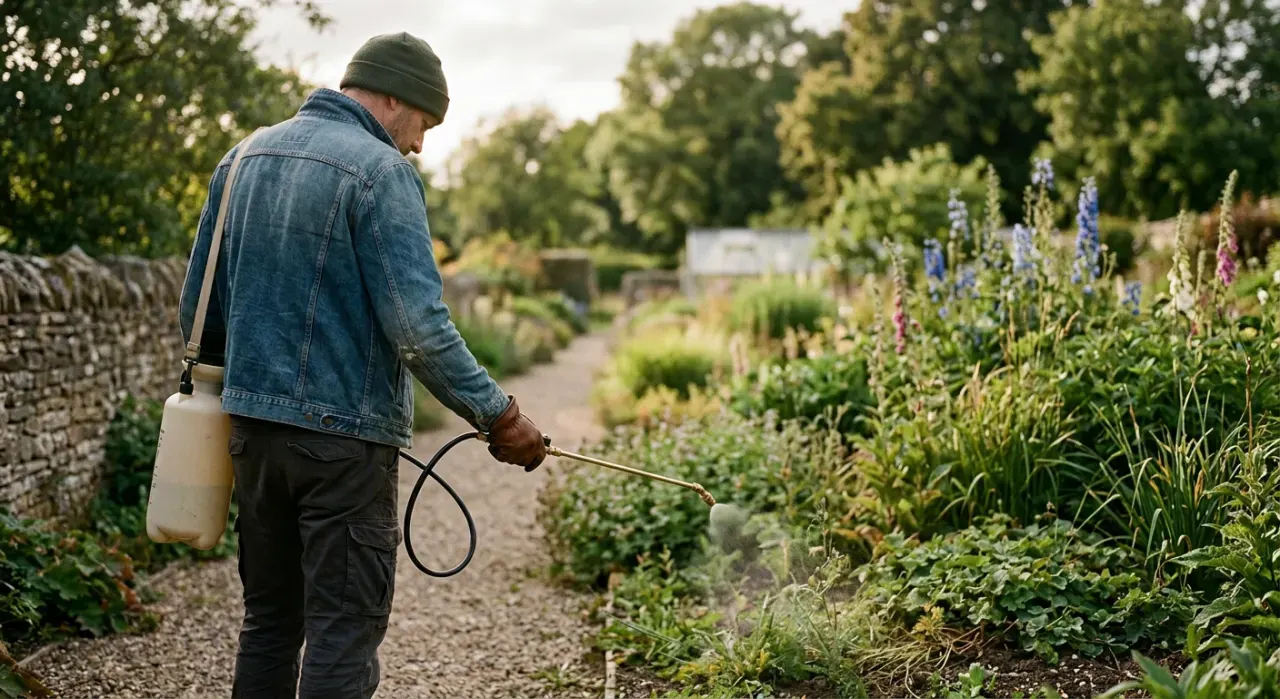
By watching the edges. Driveway margins, sidewalk strips and south-facing beds warm first, receive reflected heat, and often have thinner turf — so germination shows up there weeks before it appears in dense lawn. If you are seeing new crabgrass seedlings along a curb in early summer, the barrier in that zone is finished even if the middle of the lawn still looks clean. Note the application date and start inspecting edges at about the 8-week mark for most products. Once you are seeing weeds, a pre-emergent is the wrong tool for them; you need a post-emergent, as explained in pre-emergent versus post-emergent herbicide.
One thing the residual definitely blocks
Your own seed. For as long as the barrier is active — 3 to 4 months in practice for most spring applications — grass seed will not establish, because the herbicide cannot distinguish it from a weed seed. If overseeding is in the plan, set the seeding date first and schedule the pre-emergent around it. Replant intervals for beds and vegetables are set out in how long after weed killer you can plant.
Follow the label, which is legally binding in the United States, and check your state extension service for regional rates and timing. We never buy, apply or physically handle the products we rank — our method is on how we rank.
More from this hub: Pest & Weed Control · Best pre-emergent herbicides · Getting rid of crabgrass · How we rank