 Garden

Affiliate Disclosure
Some links on this page are affiliate links. As an Amazon Associate, we earn from qualifying purchases — at no extra cost to you. We do not buy, test, or physically handle the products we cover; our rankings come from aggregated owner reviews, ratings and expert consensus. Commissions never change our verdicts. How we rank · full disclosure.
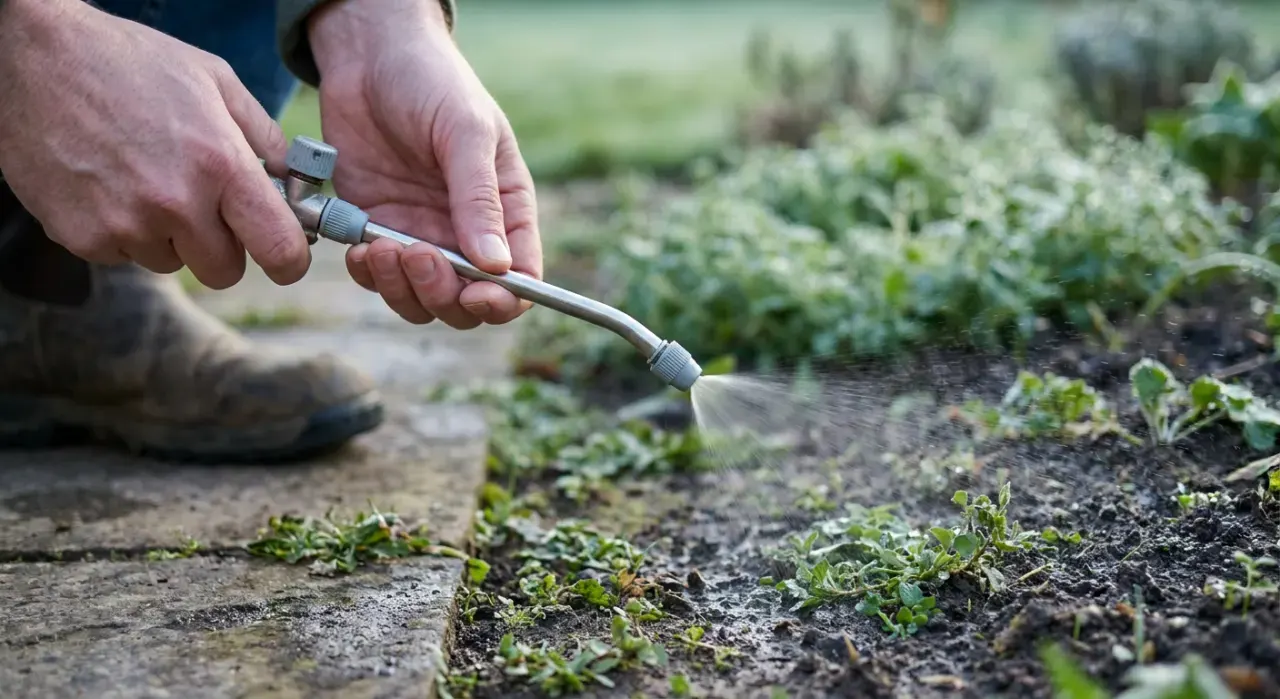
A pre-emergent herbicide stops weed seeds from establishing before they sprout, forming a barrier in the top layer of soil; a post-emergent herbicide kills weeds that are already up and growing. The difference is entirely about timing relative to the weed’s life stage: pre-emergent is prevention applied before you see anything, post-emergent is treatment applied to visible weeds. Use the wrong one at the wrong time — a pre-emergent on grown weeds, or a post-emergent after seeds have already germinated unchecked — and it fails. Many programs use both.
How does a pre-emergent work?
A pre-emergent does not kill seeds outright and does not stop germination itself; it creates a chemical barrier in the surface soil that disrupts the seedling as it tries to establish, so the weed dies right as it emerges. That mechanism has two consequences. First, it must be in place before the seeds germinate — apply it after the weeds are visible and you have missed the entire point. Second, most granular pre-emergents need to be watered in to activate and settle the barrier into the germination zone. The barrier degrades over several weeks to a few months, which is why timing to the target weed’s germination window is so important.
How does a post-emergent work?
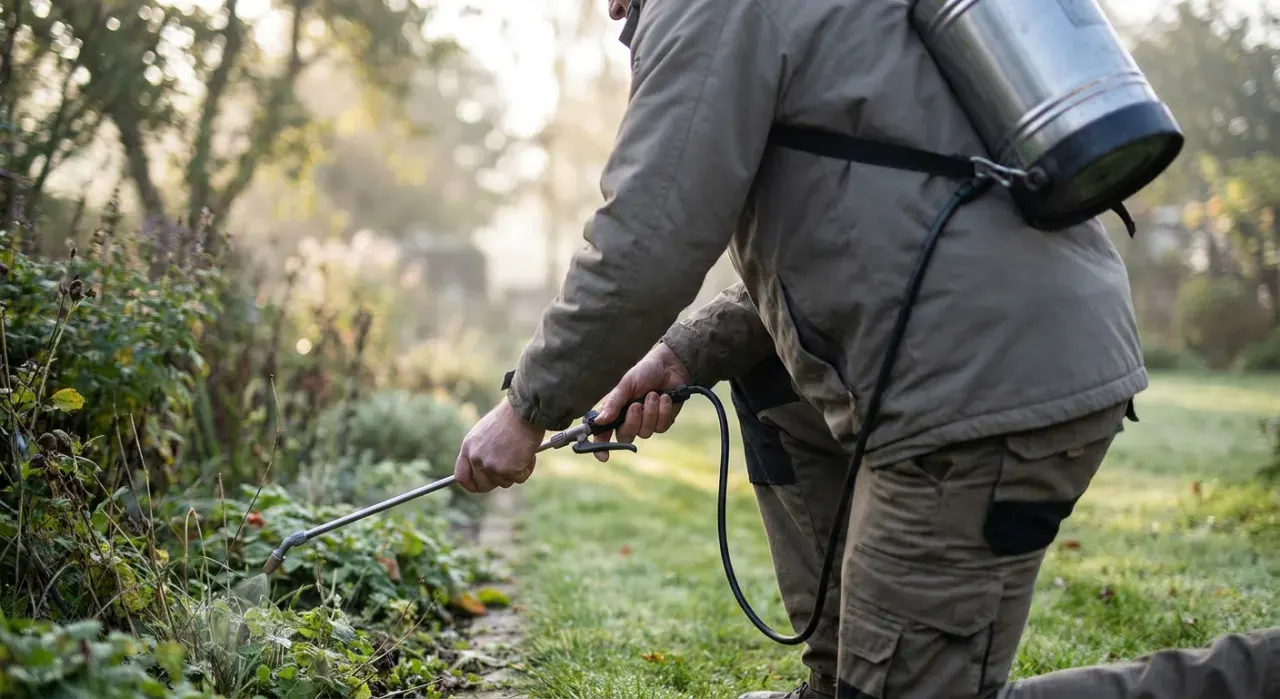
A post-emergent acts on the living weed you can already see. It is usually absorbed through the foliage — sometimes the roots — and either burns the tissue it contacts or, if systemic, moves through the plant to kill it more completely, roots included. Because uptake happens through the leaves, post-emergents generally need a dry window after application and work best on young, actively growing weeds. They come in selective forms that spare desirable plants and non-selective forms like glyphosate that kill any green plant they touch, so matching the product to where you are spraying is critical.

Pre-emergent vs post-emergent at a glance
| Pre-emergent | Post-emergent | |
|---|---|---|
| Targets | Germinating seeds | Established, visible weeds |
| When applied | Before weeds appear | After weeds are growing |
| How it acts | Soil barrier at germination | Absorbed through leaves/roots |
| After application | Usually water in to activate | Keep dry; needs foliar uptake |
| Best on | Known problem seeds (crabgrass) | Weeds you can see |
Why is timing the whole game?
For pre-emergents, the window is narrow. Summer annuals like crabgrass want an early-spring application before surface soil temperatures climb into the mid-50s Fahrenheit, while winter annuals call for a late-summer or fall application — miss it and the seeds germinate through the gap. Many gardeners use soil-temperature readings or bloom indicators, such as forsythia flowering, to time crabgrass pre-emergent. Post-emergents are less calendar-bound but still work best on young, unstressed weeds and need a rainfast window. Get either one’s timing wrong and even the right chemistry underperforms.
Using them together
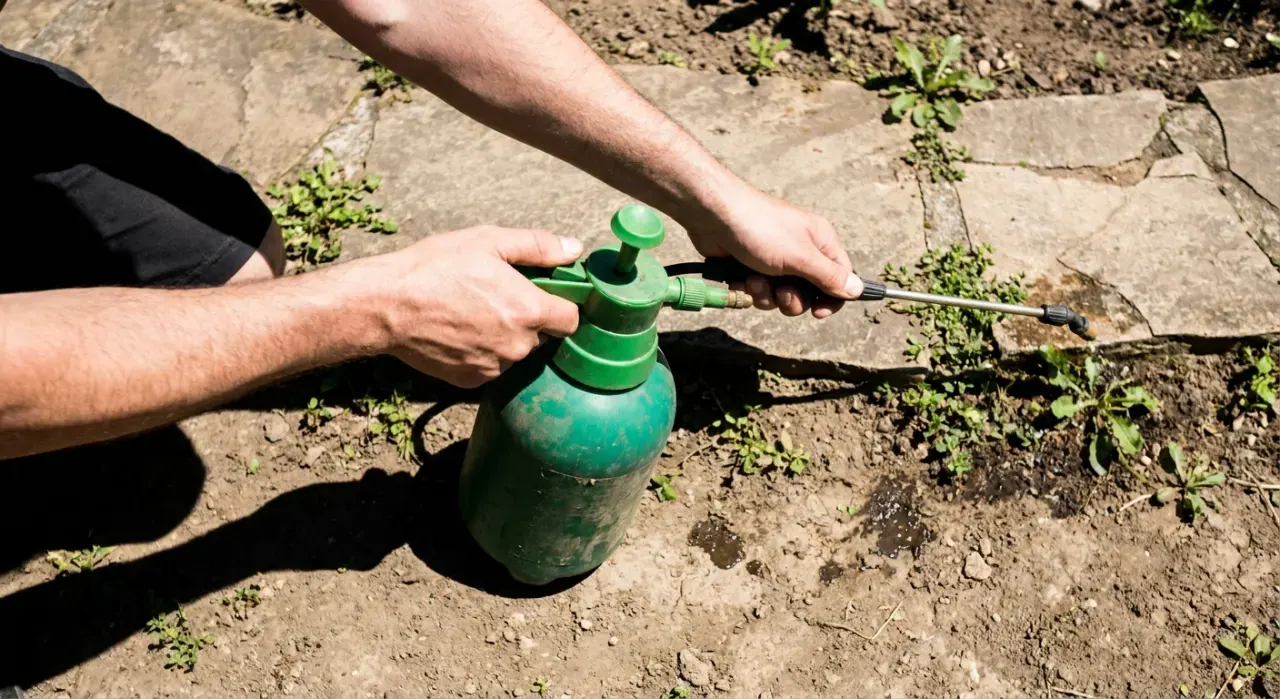
The two are complementary, not competing. A common approach is to hit the weeds already present with a post-emergent while laying down a pre-emergent barrier against the next wave of germinating seeds, either as separate applications or with a combination product formulated to do both. Each active still does its own job and still needs its own timing and watering, so read the label and follow it — in the United States the label is the legally binding instruction. For a chemical-free route, see killing weeds without chemicals.
Where to go next
The non-selective versus selective question deserves its own read: selective versus non-selective herbicides explains which products are safe over a lawn. To pick a product, the best pre-emergent herbicide and the best weed killer for lawns rank the options. Everything sits under the pest and weed control hub.
We never buy, apply or physically handle the products we rank — recommendations come from aggregated owner reviews and expert consensus, and the method is on how we rank. Follow the label and check your local extension service for regional timing.