 Garden
Affiliate Disclosure
Some links on this page are affiliate links. As an Amazon Associate, we earn from qualifying purchases — at no extra cost to you. We do not buy, test, or physically handle the products we cover; our rankings come from aggregated owner reviews, ratings and expert consensus. Commissions never change our verdicts. How we rank · full disclosure.
The short version: this page is about outdoor containers — balcony floors, patios, decks and steps, where sun and wind dry a pot far faster than anything indoors. Across six popular self-watering containers weighed on owner ratings, review volume and the complaints that keep repeating, our #1 pick is the EarthBox Original, because reservoir volume is what actually decides whether a container survives a hot weekend and it has more of it than anything else here. For a pot that has to look good as well as work, the LECHUZA Classico with its water level gauge is the premium answer, and the Bloem Ariana range covers the sizes in between at a fraction of the price.
Looking for something different? Reservoir pots for houseplants and larger raised-bed systems are both covered in best self-watering planters. This page stays at balcony and patio scale.
We do not buy, plant, or physically handle any of these products. These rankings come from aggregated owner reviews, star ratings, review volume and horticultural consensus — the full method is on how we rank. The wider balcony advice lives in our vertical and small-space gardening hub.
Top Picks at a Glance
Our #1 Pick: EarthBox Original Container Gardening System
Most self-watering pots are ordinary pots with a small water tray underneath. The EarthBox is a genuine sub-irrigated planter: a sealed reservoir holding around three gallons sits below a platform, the growing mix sits above it, and a wicking chamber connects the two so the soil column draws water upward at whatever rate the plant is using it — the same bottom-reservoir, capillary-action design NC State Extension describes for self-watering containers generally, without waterlogging the mix. That is a fundamentally different mechanism from a saucer, and it is why this box turns up so persistently in reviews written by people growing actual food on a balcony.
The practical consequence is buffer. Two cubic feet of mix over three gallons of water means a young plant can be left for a week and a mature tomato for two or three days in real heat — the difference between a balcony garden that survives a vacation and one that does not. Filling is done through a corner tube, so you are not pouring water over foliage or washing mix out of the surface. And at roughly 29 by 13.5 inches it is shaped to sit along a balcony wall rather than eating floor space.
The honest cons: it is not attractive. This is a plastic grow box, and nobody buys it for a styled patio. It is expensive for what it physically is, and the branded covers and fertilizer packs push the cost up further, though ordinary mulch film and a balanced granular feed do the same job. It is also heavy once filled — with wet mix and a full reservoir, plan where it lives before you fill it, and read the weight guidance in our balcony garden starter guide if you are above ground level.
Consensus Score █████████░░░ 8.9
Check price on Amazon → (paid link)
The Ranked Field

Best for growing real food on a balcony or patio
- 3-gallon reservoir under 2 cubic feet of growing mix
- Sub-irrigated design wicks water up rather than watering from above
- Fill tube on the corner — top up in seconds without disturbing plants
- Roughly 29 x 13.5 inches, sized for a balcony floor
Why buy it: the reservoir volume is the whole story — a full box will genuinely carry tomatoes through a hot weekend unattended.

Best for a good-looking patio pot that forgives a missed day
- 6-gallon capacity with a self-watering grid insert
- Weatherproof UV-resistant resin for outdoor use
- Knockout drainage holes so you can convert it to a normal pot
- Rolled rim that reads as ceramic from a few feet away
Why buy it: six gallons of soil plus a reservoir for the price of a decent glazed pot with no reservoir at all.

Best for a balcony where the pot is part of the decor
- Engineered sub-irrigation set with a water level indicator
- Separate drainage plug for outdoor use in rain
- Removable liner makes replanting straightforward
- German-made matte finish that does not chalk in sun
Why buy it: the water level gauge removes the guesswork entirely — you can see the reservoir instead of poking the soil.

Best for a patio shrub, a dwarf tree or an indeterminate tomato
- Large soil volume for root-hungry plants
- Self-watering disk acts as a wick and reservoir
- UV-resistant resin rated for full sun
- Light enough to move when empty, unlike ceramic at this size
Why buy it: container size is yield, and 20 inches is where a balcony tomato stops being a novelty and starts producing.
Best for a deck or patio where you chase the sun
- Elevated grow box on locking casters
- Integrated self-watering reservoir with a fill tube
- Waist height — no kneeling to plant or harvest
- Resin construction that will not rot like a wooden box
Why buy it: wheels are the underrated feature on a balcony, where the sunny corner in June is not the sunny corner in September.
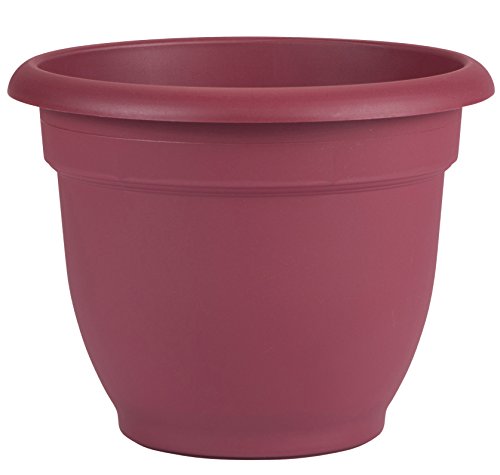
Best for herbs, salad and a cluster of small pots by the door
- Compact size that fits a narrow balcony or a step
- Same grid insert reservoir as the larger Ariana pots
- Wide color range for grouping
- Cheap enough to buy several at once
Why buy it: herbs are the crop that dies first when you forget to water, and this is the cheapest fix for that.
Quick Comparison
| Product | Best for | Rating | Price | Buy |
|---|---|---|---|---|
| EarthBox Original Container Gardening System | Best Overall | — | Check (paid link) | |
| Bloem Ariana 16" Self-Watering Planter, Terra Cotta | Best Value | — | Check (paid link) | |
| LECHUZA Classico 35 Self-Watering Planter, 14" | Best Premium | — | Check (paid link) | |
| Bloem Ariana 20" Self-Watering Planter, Charcoal Gray | Best Large Pot | — | Check (paid link) | |
| Self-Watering Raised Grow Box with Casters, Earth Brown Resin | Best on Wheels | — | Check (paid link) | |
| Bloem Ariana 10" Self-Watering Planter | Best Small Pot | — | Check (paid link) |
How We Rank Self-Watering Containers
We never buy or physically handle the products on this site — we read the review record at scale instead. Four things carried the most weight here. Reservoir capacity relative to soil volume, because that ratio is what determines how long a pot actually goes between refills, and it is the specification most often glossed over on a listing. Whether the wicking works in practice, judged from reviews describing plants wilting over a full reservoir — the classic failure when a mix has dried out or compacted. Outdoor suitability, specifically whether there is an overflow or a removable plug, since a sealed reservoir left in the rain drowns roots. Sun and season durability from reviews written after a full summer outdoors, where UV chalking, cracked rims and failed water gauges appear.
Star ratings, review counts and prices were current at the time of writing and all move. The complaint patterns move far less, and those are what we weight hardest.
Consensus Scores
Each score is our weighted read of the owner-review record for that product — never a lab figure, and never a number we typed onto a rating we did not verify.
- EarthBox Original █████████░░░ 8.9
- Bloem Ariana 16" █████████░░░ 8.6
- LECHUZA Classico 35 █████████░░░ 8.8
- Bloem Ariana 20" █████████░░░ 8.5
- Self-Watering Grow Box on Casters ████████░░░░ 8.2
- Bloem Ariana 10" ████████░░░░ 8.3
The Containers, Reviewed
1. EarthBox Original — Best Overall
Covered above. Owners praise: genuinely large harvests from a small footprint, a reservoir that carries plants through heat waves and short trips, the corner fill tube, and durability measured in many seasons rather than one. Reviews from apartment and rooftop growers describing tomatoes and peppers that outperformed their friends’ garden beds are a recurring theme. Owners complain about: looking like what it is, a price that is high for molded plastic, considerable weight when filled, and branded accessories that feel like an upsell on top of an already expensive box.
2. Bloem Ariana 16" — Best Value
The sensible middle of the market. Six gallons of soil is enough for a pepper, a compact tomato, a substantial herb group or a good annual display, and the grid insert in the base holds a reservoir that a saucer never would. The rolled rim and matte finish read as ceramic from across a patio, which is more than can be said for most plastic pots at this price. Knockout drainage holes mean you can convert it to a conventional pot if you would rather. Owners praise: the look for the money, useful capacity, UV resistance that holds color through a season, and light weight compared with ceramic. Owners complain about: a reservoir that is modest relative to the soil volume, so it is a buffer rather than a week away; thin walls that flex when carried full; and a self-watering insert that some reviewers found sat loosely.
3. LECHUZA Classico 35 — Best Premium
The engineered option, and the water level indicator is why. Every other pot here asks you to guess at the reservoir; the LECHUZA shows you on a float gauge, which removes both underfilling and the far more common problem of topping up a reservoir that was already full and drowning the roots. It has a proper separate drainage plug for outdoor use, a removable liner that makes repotting straightforward, and a matte finish that does not chalk in strong sun. Owners praise: the gauge, build quality that clearly justifies the price, the removable inner liner, and a finish that still looks new after several summers. Owners complain about: the price, which is several times the Bloem equivalent; needing the specific substrate layer the system is designed around for best results; and a plug that must be set correctly for indoor versus outdoor use or the pot behaves unexpectedly.
4. Bloem Ariana 20" — Best Large Pot
Container volume is yield, and on a balcony this is roughly where a tomato stops being an ornament. Twenty inches gives enough root run for a determinate tomato, a pepper that actually crops, a dwarf citrus or a small patio shrub, and the reservoir smooths out the daily swing that causes blossom end rot and split fruit. It is also light enough to reposition when empty, which a 20-inch ceramic pot is not. Owners praise: the size for the price, noticeably better plant performance than smaller pots, weather resistance, and a color range that works on a modern patio. Owners complain about: a reservoir that is small relative to how much soil sits above it, so mature plants still need frequent topping up; flexing walls when moved full; and the amount of potting mix required to fill one, which is a real cost people underestimate.
5. Self-Watering Raised Grow Box with Casters — Best on Wheels
Wheels are the most underrated feature in balcony gardening. The sunny corner in June is not the sunny corner in September, and being able to roll a planted box eighteen inches to follow the light — or out of the way of a storm — is worth more than most features people pay for. This one adds waist height, so planting and harvesting happen without kneeling, and an integrated reservoir with a fill tube. Owners praise: the mobility, comfortable working height, decent reservoir capacity, and resin that will not rot the way a wooden planter box does. Owners complain about: casters that struggle on rough decking or a threshold, assembly that takes real time, a top-heavy feel once planted, and the quantity of potting mix needed to fill an elevated box.
6. Bloem Ariana 10" — Best Small Pot
The cheap fix for the crop that dies first. Herbs sit by the door, get used constantly and get watered inconsistently, and basil in particular will collapse after a single missed hot day. A small reservoir pot gives exactly the buffer that habit needs. At this price you can buy four and group them, which also helps — clustered pots shade one another and raise local humidity. Owners praise: the price, a genuinely useful reservoir for a small pot, the color range for grouping, and how well herbs do in them compared with plain pots. Owners complain about: a small reservoir that will not cover a full weekend in high summer, limited depth for anything beyond herbs and salad, and thinner plastic than the larger sizes in the range.
What Owners Actually Complain About
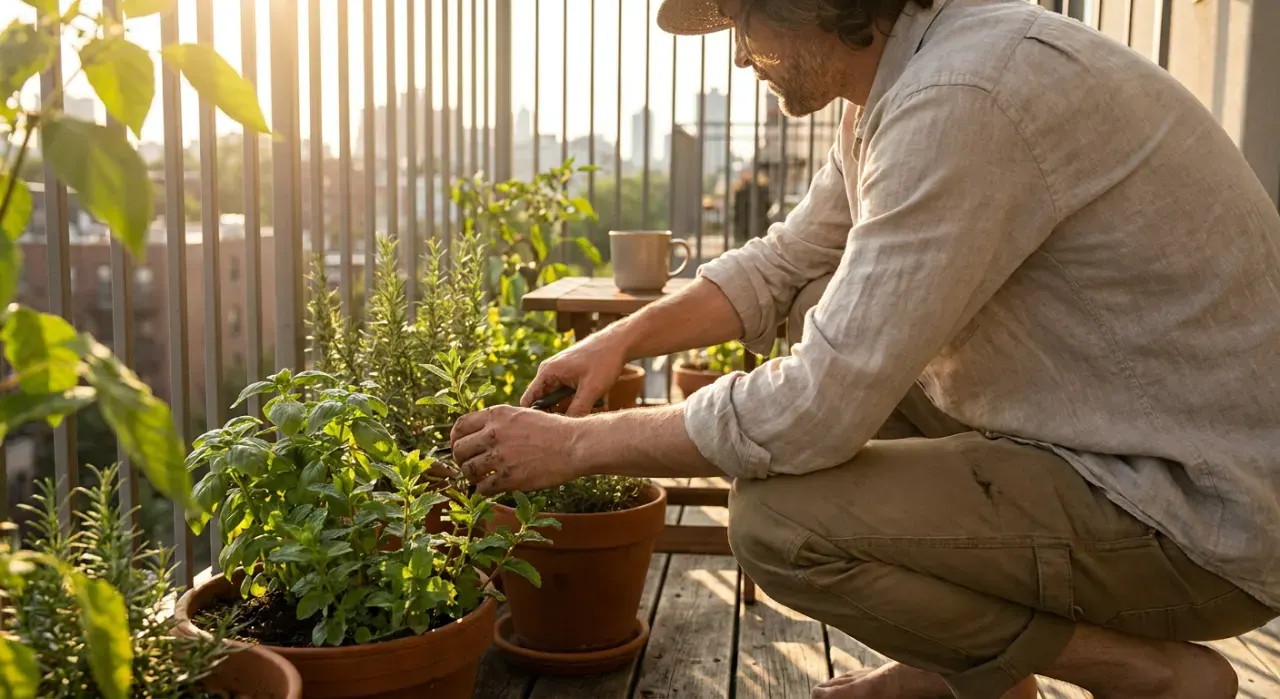
Read enough one- and two-star reviews of self-watering containers and five patterns account for almost all of them. Plants wilting over a full reservoir leads, and it is a wicking failure rather than a product failure: the mix dried into a plug, or garden soil was used instead of potting mix, and capillary contact was lost. Illinois Extension is blunt about this: never use garden soil by itself in a container, because drainage and aeration are so impeded that plants grow poorly or not at all. Water from the top once after planting to establish the wick, and never let the mix bake dry. Reservoirs that are too small for the plant is second — a decorative pot with a token water tray is not going to carry a tomato, and the listing rarely says so plainly. Drowned roots after rain is third and is specific to outdoor use: no overflow means the reservoir fills to the soil line and stays there. NC State Extension notes that drainage holes, or in this case an overflow, are necessary in any container to keep roots from standing in water and developing root rot. Algae and mosquitoes in the reservoir is fourth, which is why an enclosed reservoir with a narrow fill tube behaves far better outdoors than an open tray. And UV degradation is fifth: thin resin in full sun chalks and eventually cracks at the rim, usually in the second or third season.
How to Choose a Self-Watering Container
Size the reservoir to the plant, not to the patio. Herbs and salad are happy in one to two gallons of mix with a small reservoir. Peppers, bush beans and compact cucumbers want five. A determinate tomato wants seven to ten, an indeterminate one fifteen or more — and at that point a grow box beats a round pot every time. Crop-by-crop numbers are in container sizes by crop.
Then check three things that decide whether an indoor-styled pot survives outdoors. An overflow or a drainage plug, so rain cannot drown the roots. A closed reservoir with a fill tube rather than an open tray, which keeps algae and mosquitoes out. UV-stabilized material, because a season of full sun destroys cheap resin.
And be honest about what a reservoir does and does not fix. It smooths the daily swing that stresses plants and it buys you a couple of days of margin. It is not an irrigation system, and it will not cover a two-week vacation in August whatever the marketing implies. Grouping pots together, mulching the surface and moving containers into afternoon shade all stack with a reservoir and cost nothing — the full routine is in watering containers in summer heat.
The Verdict
The EarthBox Original is the container the owner-review record backs most strongly for growing food on a balcony, because it has the reservoir capacity to actually do the job. Buy the LECHUZA Classico if the pot has to look as good as it works and you want to see the water level rather than guess it. The Bloem Ariana sizes are the value answer across small, medium and large, and the grow box on casters is the one to choose if chasing the sun around a deck is your reality.
Next: use the rail as well as the floor with our ranked best railing planters, go upward with best vertical garden planters, pick the crops that genuinely produce in pots in vegetables that grow well in containers, or head back to the vertical and small-space gardening hub.