 Garden

Affiliate Disclosure
Some links on this page are affiliate links. As an Amazon Associate, we earn from qualifying purchases — at no extra cost to you. We do not buy, test, or physically handle the products we cover; our rankings come from aggregated owner reviews, ratings and expert consensus. Commissions never change our verdicts. How we rank · full disclosure.
Fertilize container plants more often than garden plants — a balanced liquid fertilizer every one to two weeks during the growing season, or slow-release granules every two to three months. Pots hold a small, fixed amount of soil whose nutrients run out fast, and the frequent watering that containers require flushes dissolved nutrients out the drainage holes with every soaking. So potted plants are both depleting a limited reserve and having it rinsed away, which is why they need regular feeding. Heavy feeders like tomatoes and annual flowers sit at the frequent end; slow-growing foliage plants need less.
We never buy, test or physically handle the products we rank; recommendations come from aggregated owner reviews and expert consensus, described in how we rank. More at the small-space gardening hub.
How often, by fertilizer type?
The interval depends on which kind of fertilizer you use, and many gardeners combine two. Here is the practical schedule for the growing season:
| Fertilizer type | Frequency | Best for |
|---|---|---|
| Liquid (full strength) | Every 1 to 2 weeks | Vegetables, annual flowers |
| Liquid (half strength) | Weekly | Steady feeding, sensitive plants |
| Slow-release granules | Every 2 to 3 months | Low-maintenance baseline |
| Slow-release + occasional liquid | Combined | Heavy feeders in peak growth |
Why do containers run out of nutrients so fast?
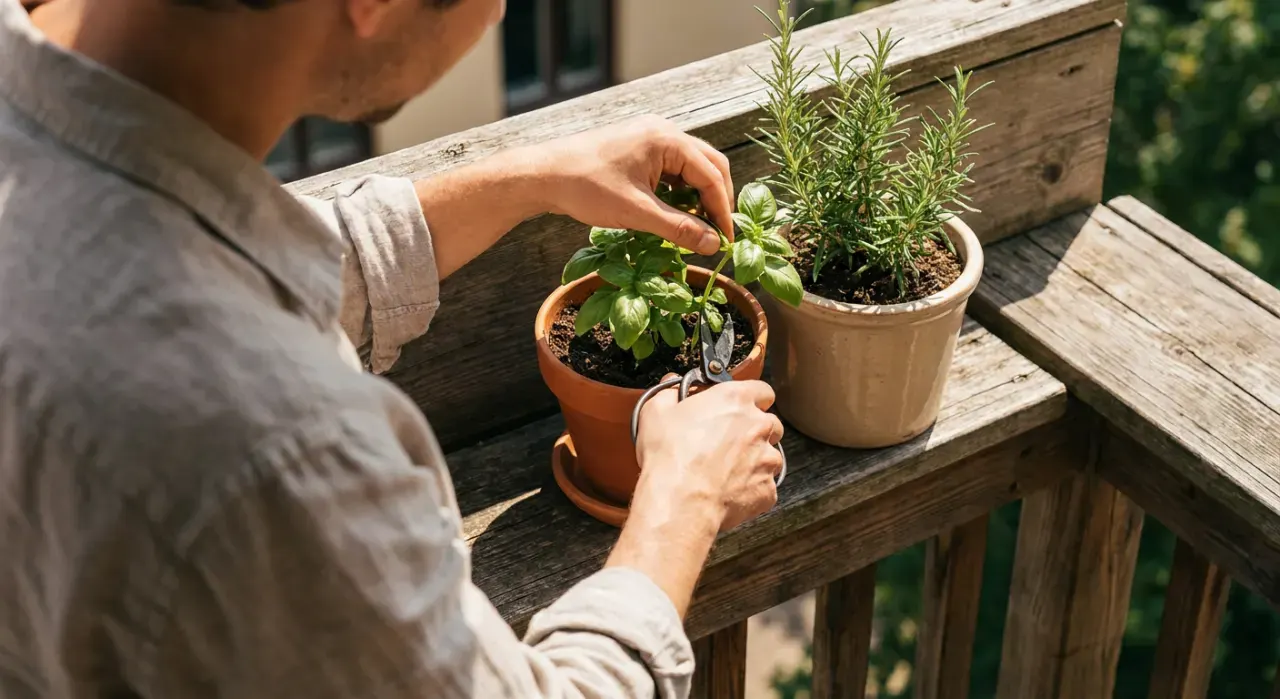
Two forces work against a potted plant that a garden plant never faces. First, the soil volume is tiny and fixed — a plant in a garden bed can send roots outward into a huge reservoir of nutrients, while a plant in a pot is limited to what fits inside it, and it draws that down quickly. Second, containers need frequent watering, and every thorough soaking dissolves nutrients and carries them straight out the drainage holes, a process called leaching. In effect the pot is a small pantry that also has a hole in the bottom, so it needs restocking on a schedule the open ground does not.
How do you know a plant is hungry?
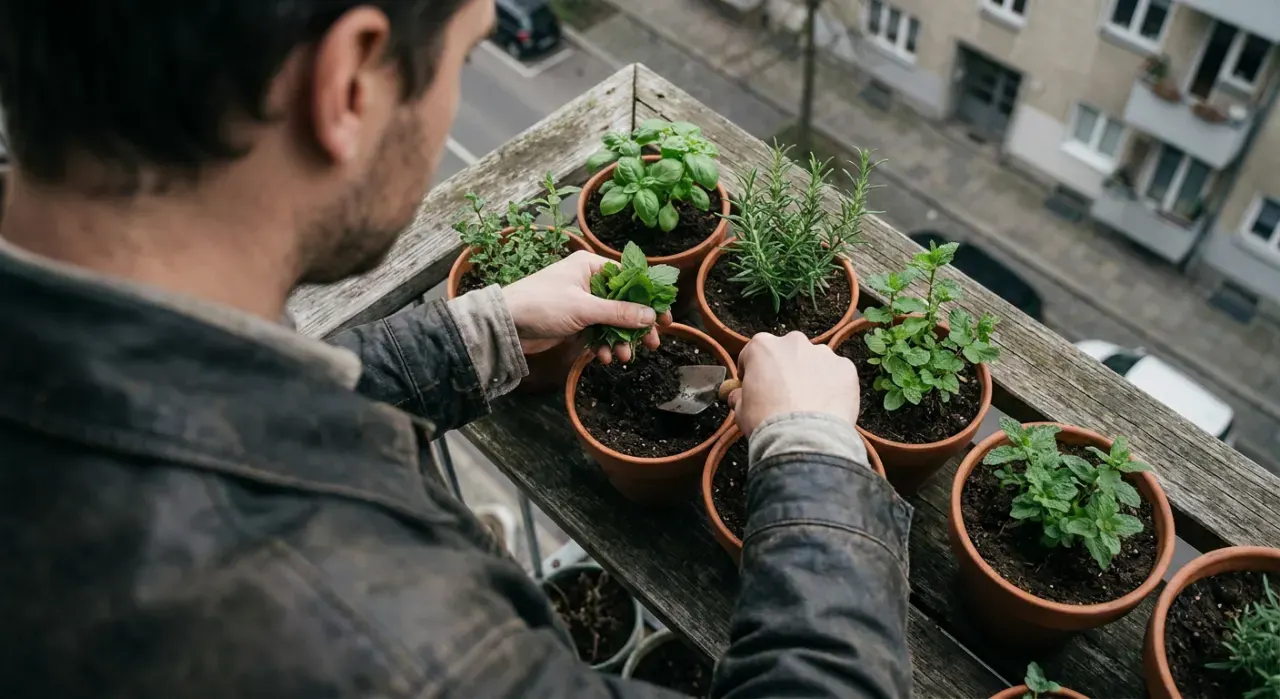
Container plants show nutrient shortage before it becomes severe if you know the signs: pale or yellowing older (lower) leaves, slowed or stunted growth, smaller new leaves, and weak flowering or fruiting despite good light and water. Yellowing that begins on the oldest leaves often means nitrogen is short — exactly what leaches out of a pot first. Because overwatering and low light cause similar symptoms, rule those out first; but in a container that has gone weeks without feeding, hunger is the likely explanation, and a liquid feed usually brings visible improvement within a week or two.
How do you avoid overfeeding?
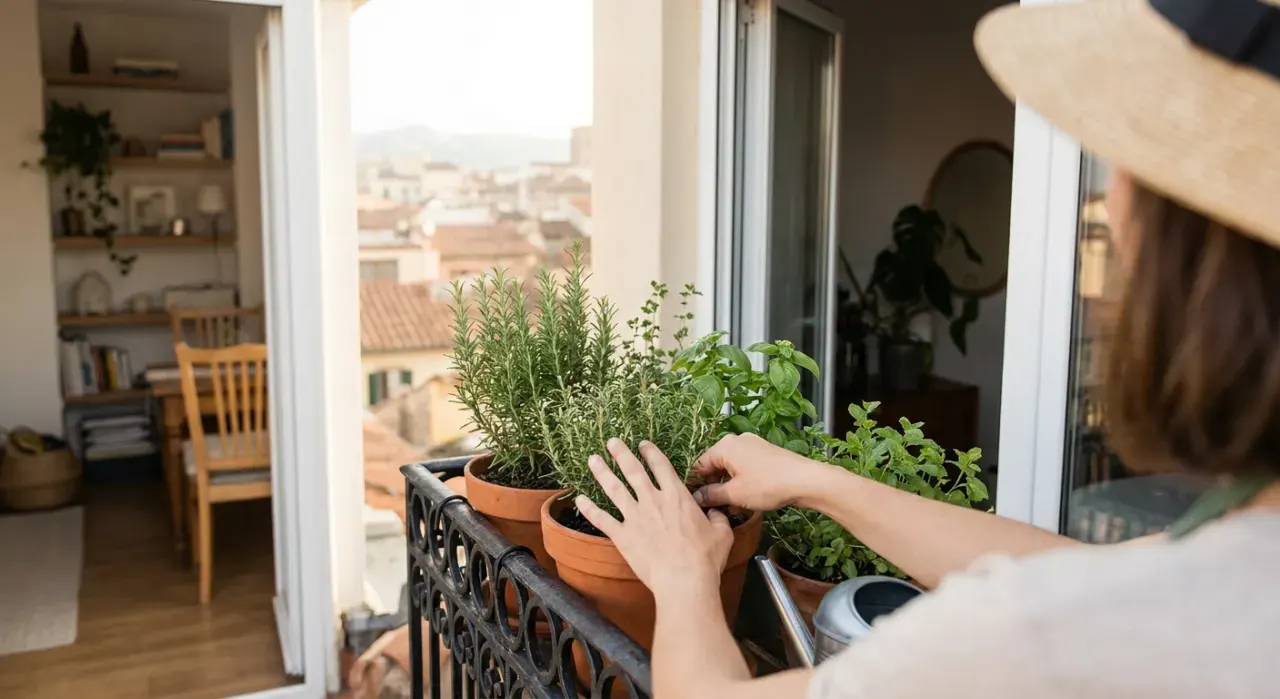
Overfeeding is as real a risk as underfeeding in the confined space of a pot. Excess fertilizer builds up as salts in the limited soil, which burns roots and scorches leaf edges — a brown, crisp margin is the classic sign — and too much nitrogen pushes leafy growth at the expense of the flowers and fruit you actually want. The safe approach is weak-and-frequent rather than strong-and-occasional: follow label dilution rates, lean slightly weaker if unsure, and flush the pot with plain water every few weeks to leach out accumulated salts. With feeding, restraint beats enthusiasm.
What else do container plants need?
Feeding works alongside watering, drainage and correct pot size. See watering containers in summer, since watering and feeding are linked, and do all pots need drainage holes, because salts flush out only where water can drain. For sizing, how big a pot a tomato needs and plants per 5-gallon bucket. More in the small-space gardening hub.