 Garden

Affiliate Disclosure
Some links on this page are affiliate links. As an Amazon Associate, we earn from qualifying purchases — at no extra cost to you. We do not buy, test, or physically handle the products we cover; our rankings come from aggregated owner reviews, ratings and expert consensus. Commissions never change our verdicts. How we rank · full disclosure.
Almost all potted plants need drainage holes. Without a way for excess water to escape, it pools in the bottom of the pot, saturates the soil, and drowns the roots — root rot from overwatering is the single most common way container plants die. The handful of exceptions (some bog and semi-aquatic plants, or a forgiving houseplant in the hands of a careful waterer) are just that: exceptions. If you love a decorative pot with no holes, use the cachepot method — keep the plant in a nursery pot that drains and set it inside — rather than planting directly into the no-hole pot.
We never buy, test or physically handle the products we rank; recommendations come from aggregated owner reviews and expert consensus, described in how we rank. More at the small-space gardening hub.
Why does drainage matter so much?
Because roots need air as well as water, and standing water suffocates them. When water fills the pore spaces in the soil and cannot drain away, the roots sit in an oxygen-starved, waterlogged zone where they begin to rot and where harmful fungi thrive. The plant then cannot take up water even though it is surrounded by it, so — confusingly — an overwatered plant often shows the same wilting, yellowing symptoms as a dry one. A drainage hole lets the excess run out and pulls fresh air into the soil as it does, which is exactly what healthy roots require.
Do rocks at the bottom fix a no-hole pot?
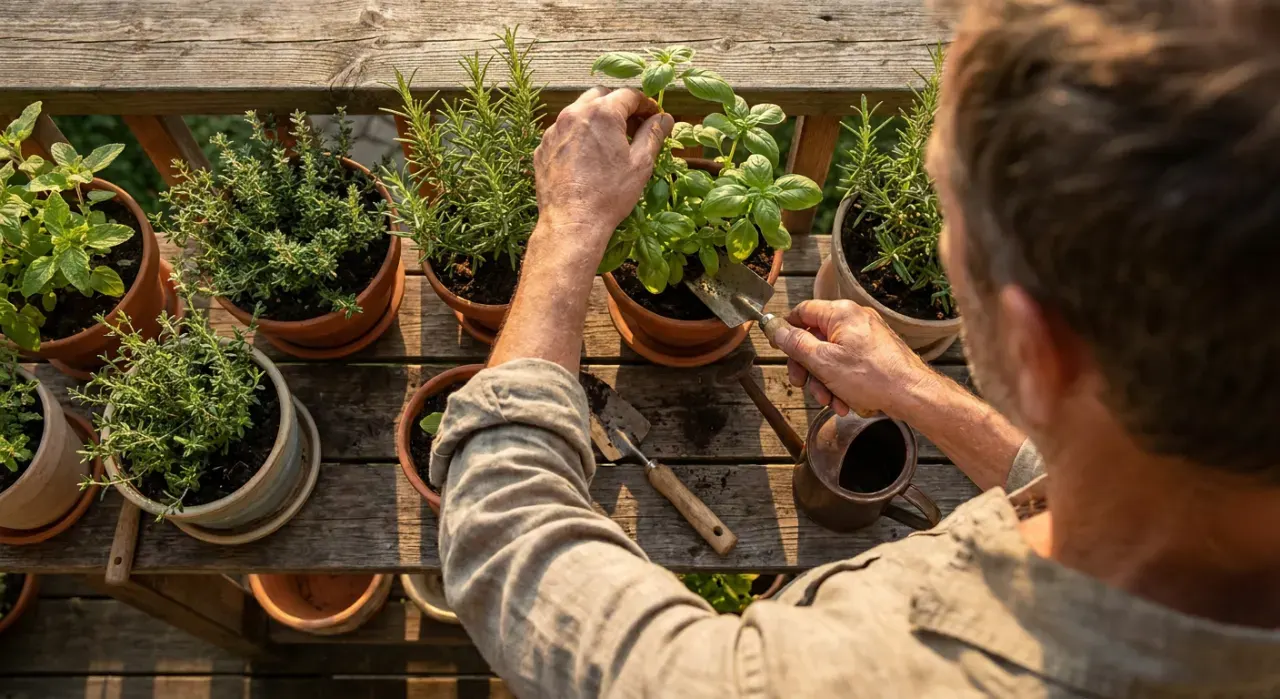
No, and this is worth stating plainly because the advice is everywhere. Adding gravel to the bottom of a hole-less pot does not create drainage. Water does not readily cross from fine potting mix into a coarse gravel layer; instead the mix stays saturated until it is completely full of water, and the boundary just raises that saturated "perched water table" closer to the roots. So the rocks reduce your usable soil while leaving the drowning problem in place. The only real fix is an actual hole. If you cannot make one, manage watering carefully instead of trusting a gravel layer.
How the cachepot method works
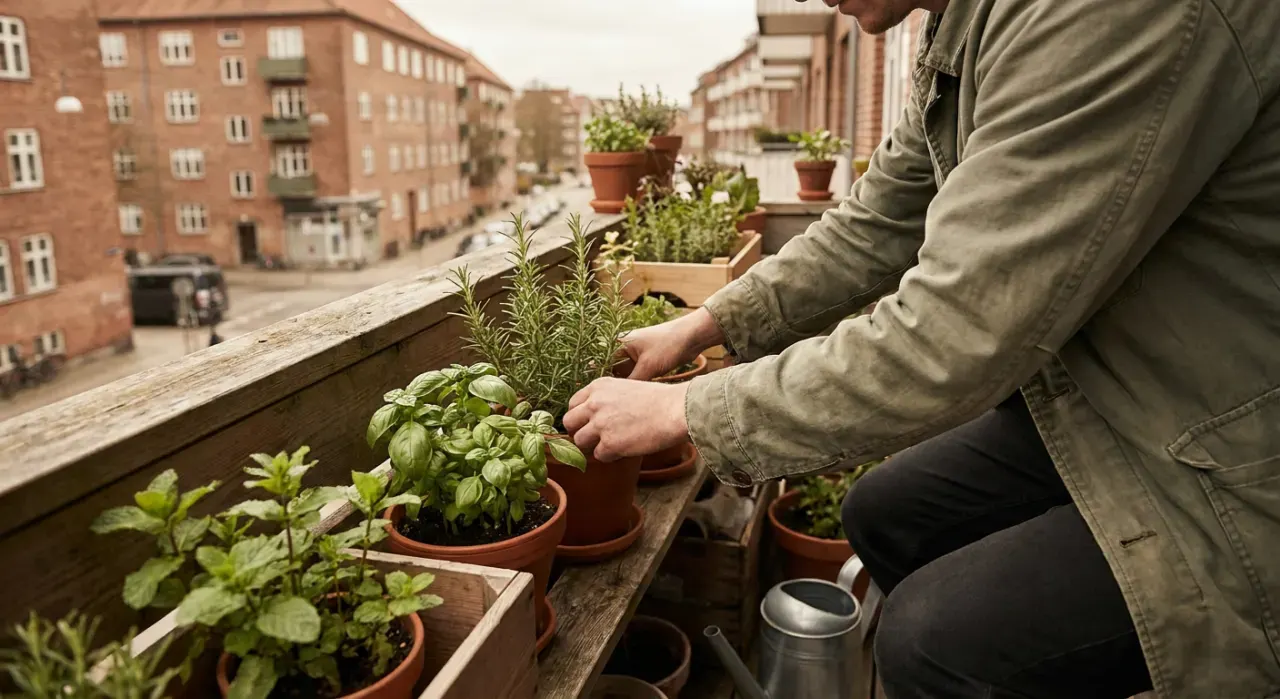
This is the reliable way to keep a beautiful hole-less pot and a living plant. Grow the plant in a plain plastic nursery pot that has drainage holes, and simply set that inside the decorative outer pot (the cachepot). To water, you have two options:
| Method | How |
|---|---|
| Lift and drain | Remove inner pot, water at the sink, let it drain fully, return it |
| Water in place | Water the inner pot, then tip out any water pooled in the cachepot after a few minutes |
The key in both is never leaving the inner pot standing in collected water, which recreates the exact problem you were avoiding.
Can you add holes yourself?
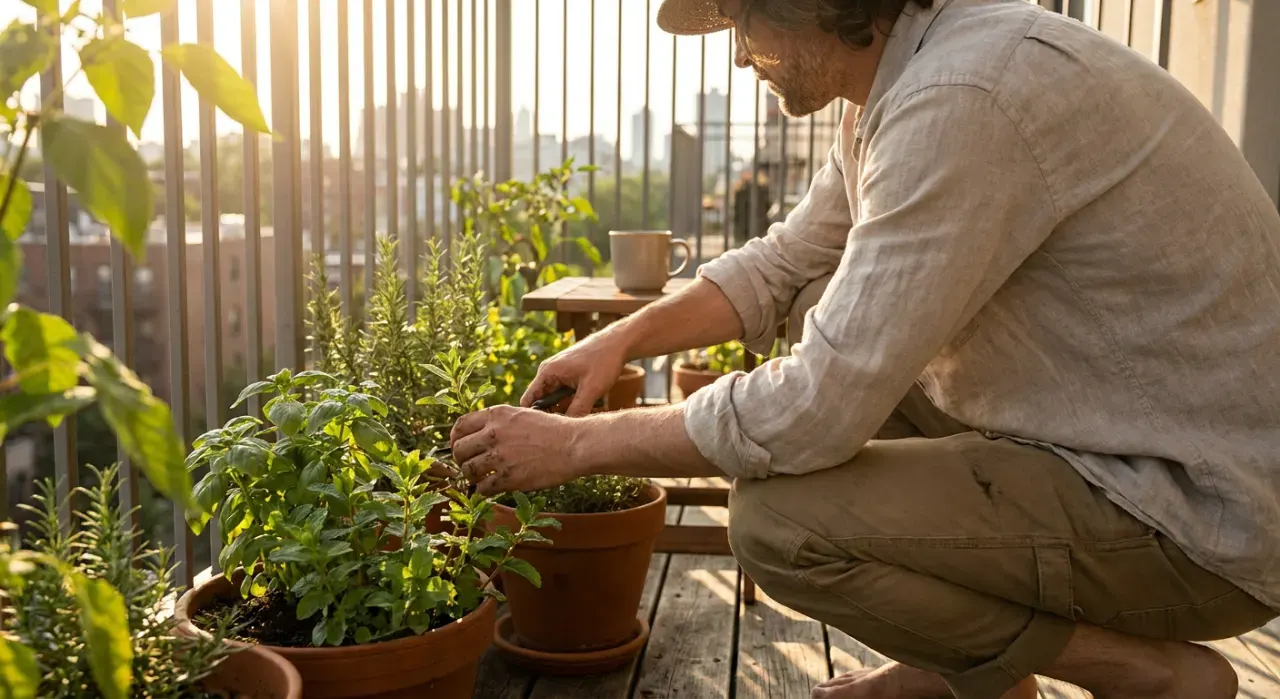
Often, yes, and it is usually the best fix for a pot you love. Plastic and thin resin drill easily with a standard bit. Ceramic, terracotta and glazed pots need a diamond-tipped or masonry bit, a little water to keep the bit cool, and slow, gentle pressure so the pot does not crack — drill from the outside on a padded surface. Metal takes a normal metal bit. If drilling makes you nervous, the cachepot method gives you the same result with zero risk to the pot. Either way, do not plant directly into a sealed pot and hope.
What else keeps container plants healthy?
Drainage is the foundation; watering and feeding build on it. Overwatering in a poorly drained pot is a top killer, so see watering containers in summer and how often to fertilize container plants. For repurposing buckets as planters, how many plants fit in a 5-gallon bucket, and if you want drainage handled for you, our best self-watering pots. More in the small-space gardening hub.