 Garden

Affiliate Disclosure
Some links on this page are affiliate links. As an Amazon Associate, we earn from qualifying purchases — at no extra cost to you. We do not buy, test, or physically handle the products we cover; our rankings come from aggregated owner reviews, ratings and expert consensus. Commissions never change our verdicts. How we rank · full disclosure.
A 5-gallon bucket holds one large plant, two to three medium plants, or a cluster of small greens and herbs. The bucket's roughly 5-gallon soil volume is the real limit, because it is root space, water and nutrients that plants compete for. One tomato or one to two peppers use the whole bucket; several compact herbs or four to six lettuce plants share it comfortably; and shallow-rooted greens pack in most densely. The rule of thumb is one full-size fruiting plant per 5 gallons, scaling up the count as the plants get smaller and shallower-rooted. Drainage holes are essential first.
We never buy, test or physically handle the products we rank; recommendations come from aggregated owner reviews and expert consensus, described in how we rank. More at the small-space gardening hub.
How many of each crop fits?
The count comes down to how big the plant and its roots get. Larger, thirstier, fruiting plants need the whole bucket; small, shallow-rooted crops share it. Here is a practical guide per 5-gallon bucket:
| Crop | Plants per 5-gallon bucket |
|---|---|
| Tomato | 1 |
| Pepper or eggplant | 1 to 2 |
| Cucumber or bush squash | 1 to 2 |
| Bush beans | 4 to 6 |
| Leaf lettuce / salad greens | 4 to 6 |
| Compact herbs (basil, parsley) | 2 to 4 |
| Potatoes | 1 to 2 seed potatoes |
Why is root space the real limit?
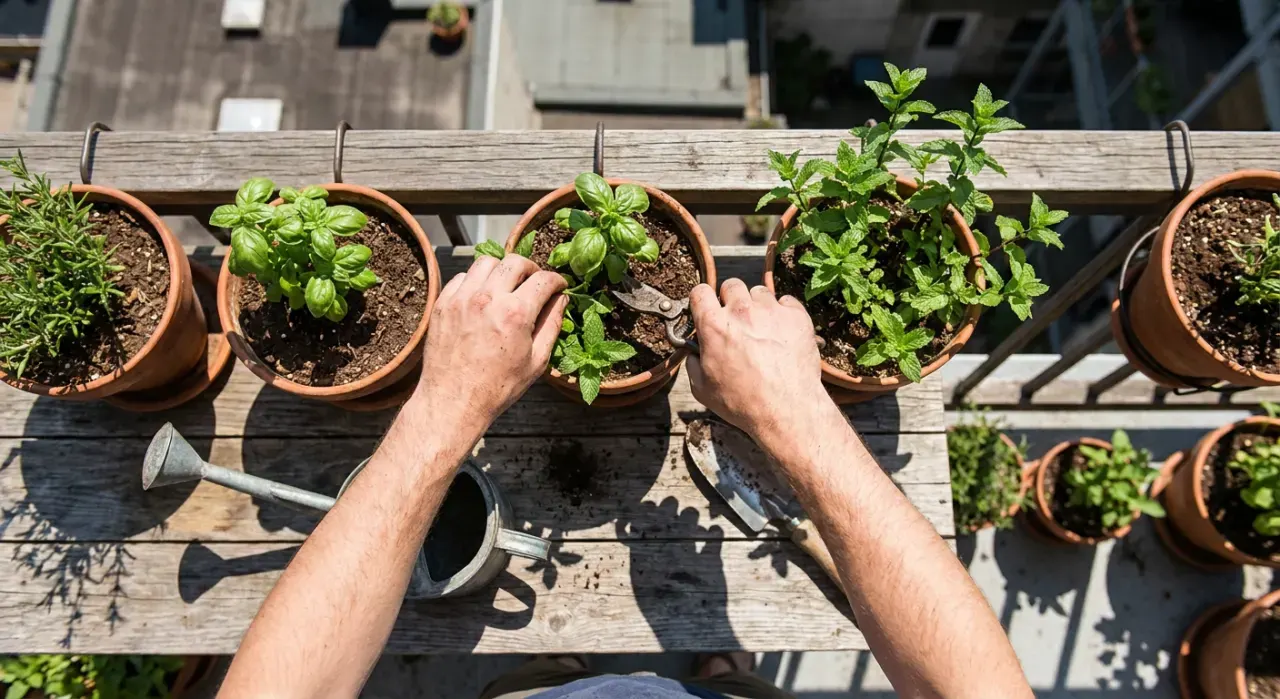
It is tempting to judge spacing by how far apart the leaves sit, but underground is what matters. Every plant in a bucket draws water and nutrients from the same fixed 5 gallons of soil, so overcrowding does not just make plants touch — it makes them compete, and the result is smaller, stressed plants and a poorer harvest all round. A single tomato in a 5-gallon bucket outproduces two tomatoes fighting over the same soil. This is why fruiting crops, which build large root systems to support heavy fruit, get one bucket each, while greens and herbs, with modest roots, can share.
How should you group multiple plants?
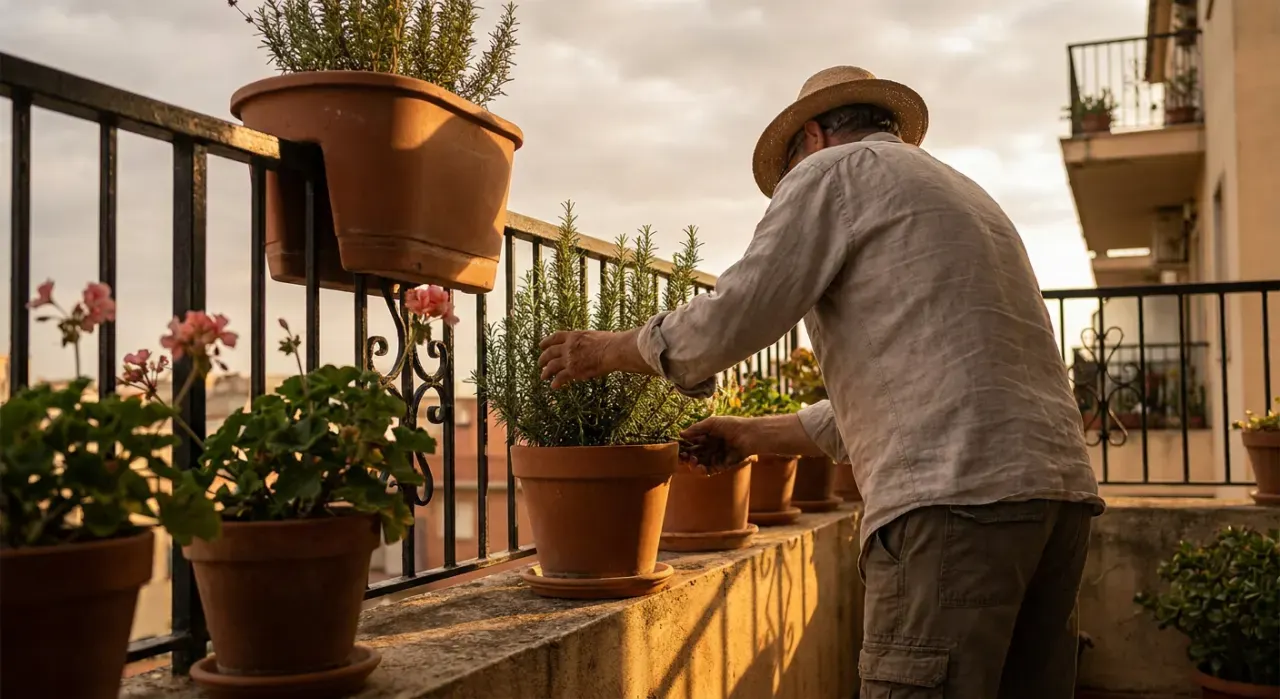
When you do put several plants in one bucket, group by matching needs. Keep plants with similar water requirements together — thirsty basil and parsley in one bucket, drought-tolerant rosemary, thyme and oregano in another — so you are not overwatering one to satisfy another. Avoid aggressive spreaders: mint will colonize an entire bucket and choke out anything planted with it, so give it its own. And pair light-feeders with light-feeders. Thoughtful grouping lets a shared bucket work; ignoring it means one plant thrives while the rest struggle.
Don't skip drainage and soil
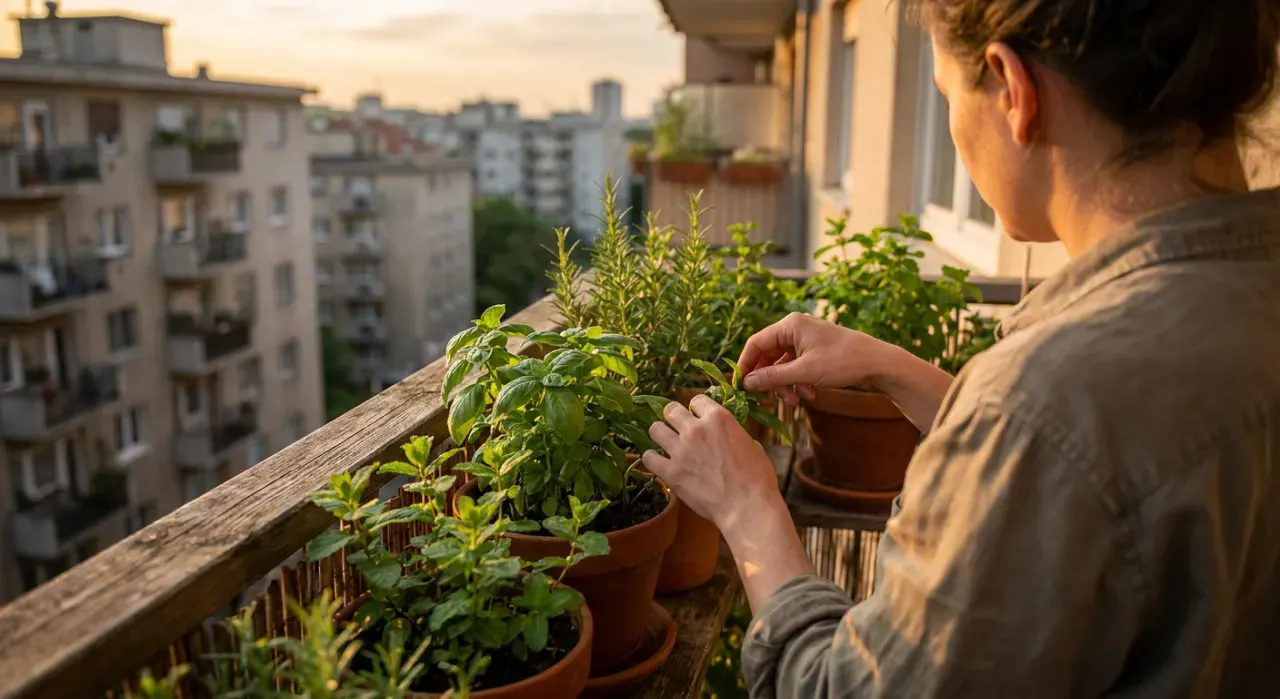
A bucket becomes a planter only once it drains. Drill five to seven half-inch holes in the base (a few in the lower sides help too) before you fill it, or water will pool at the bottom and rot the roots — see whether all pots need drainage holes. Fill with a quality container or potting mix, not garden soil, which compacts and drains poorly in a pot. Raise the bucket slightly on feet or bricks so the holes stay open. With drainage and good mix sorted, the plant counts above will actually deliver.
What else helps a bucket garden thrive?
Container plants need more frequent feeding and watering than in-ground ones — see how often to fertilize container plants and watering containers in summer. For sizing a single crop, how big a pot a tomato needs and our container size by crop guide go deeper. If self-watering appeals, see our best self-watering pots. More in the small-space gardening hub.