 Garden

Affiliate Disclosure
Some links on this page are affiliate links. As an Amazon Associate, we earn from qualifying purchases — at no extra cost to you. We do not buy, test, or physically handle the products we cover; our rankings come from aggregated owner reviews, ratings and expert consensus. Commissions never change our verdicts. How we rank · full disclosure.
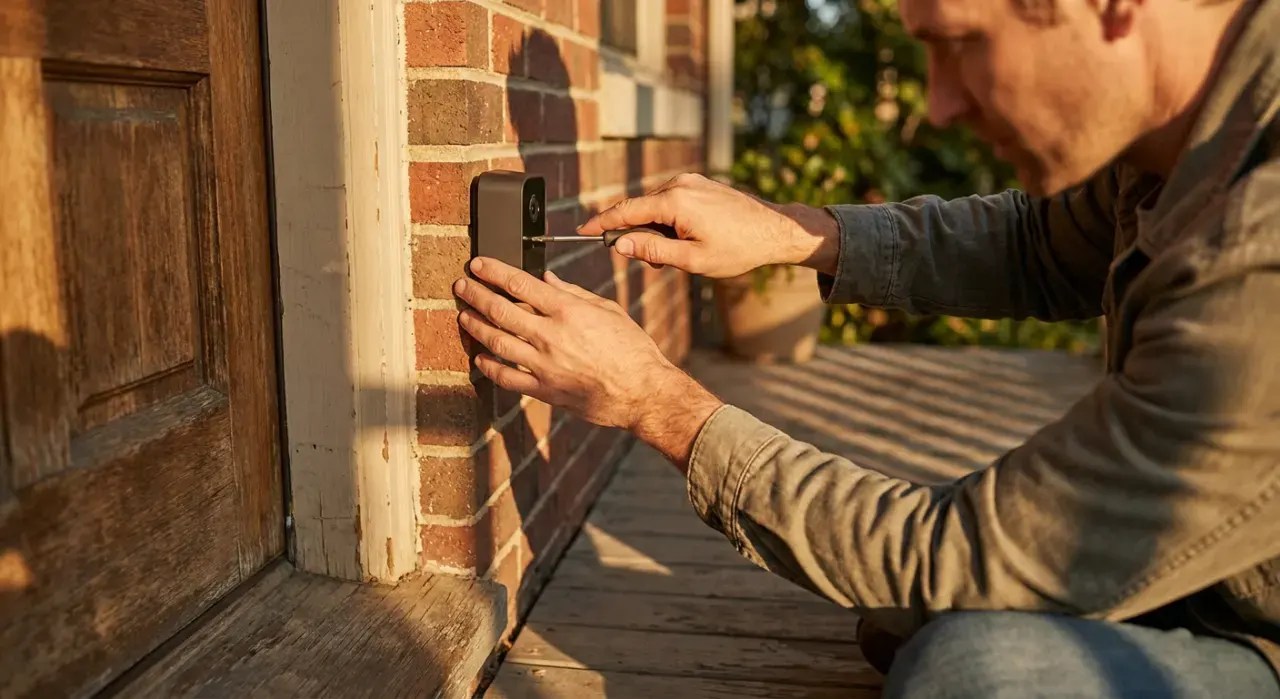
One camera at the front door is worth it for most households. A six-camera system usually is not. A doorbell camera costs about $100, covers the single position where footage is actually identifiable, and pays for itself on deliveries, visitors and disputes long before a burglary is involved. Beyond that first camera the returns fall away quickly: each additional unit adds cost, maintenance and recorded footage of your own life, while covering angles where a figure at 30 feet in infrared identifies nobody. The honest answer is not "yes" or "no" — it is "one, at the door, and more only if you can name the event it is for".
What it actually costs over five years
The purchase price is the smaller half of the decision. Subscriptions compound, and they are where a cheap camera becomes an expensive one.
| Setup | Up front | Per year | Five-year total |
|---|---|---|---|
| One doorbell, local storage, no plan | ~$100–180 | $0 | ~$100–180 |
| One doorbell, cloud plan | ~$100 | ~$60 | ~$400 |
| Doorbell plus two cameras, local | ~$200–260 | $0 | ~$200–260 |
| Four cloud cameras plus doorbell | ~$400 | ~$120 | ~$1,000 |
| Wired PoE system, four cameras | ~$400–800 | $0 | ~$400–800 |
| Monitored alarm with cameras | ~$250–500 | ~$240–600 | ~$1,500–3,500 |
The row that should change most people's plans is the second one. A cloud plan on a single doorbell roughly triples the five-year cost of the cheapest useful setup, and the identical hardware function is available with local storage for nothing — the field is in our no-subscription doorbell picks. Over five years, choosing local storage is worth several hundred dollars for most households, which is more than any discount you will find on the hardware.
Does it deter anyone? An honest reading
The number quoted throughout this industry is that around 60 percent of burglars say visible security would send them to a different target. It comes from a University of North Carolina at Charlotte survey of convicted burglars, and that research was funded by the Alarm Industry Research and Educational Foundation — an industry body with a commercial interest in the answer. It is still the most useful direct evidence available, because it asked offenders rather than inferring from crime statistics. But it should be read as indicative, not as independent confirmation, and we apply the same caveat everywhere it appears on this site, including in do security cameras deter burglars.
What survives that caveat is the mechanism rather than the magnitude. Offenders in that research described choosing houses on visible cues and, above all, wanting to avoid encountering a person. That has three practical consequences worth more than the percentage:
- The effect is displacement, not prevention. A camera makes your house a worse option than the one next door. That is a real benefit to you and not a reduction in crime.
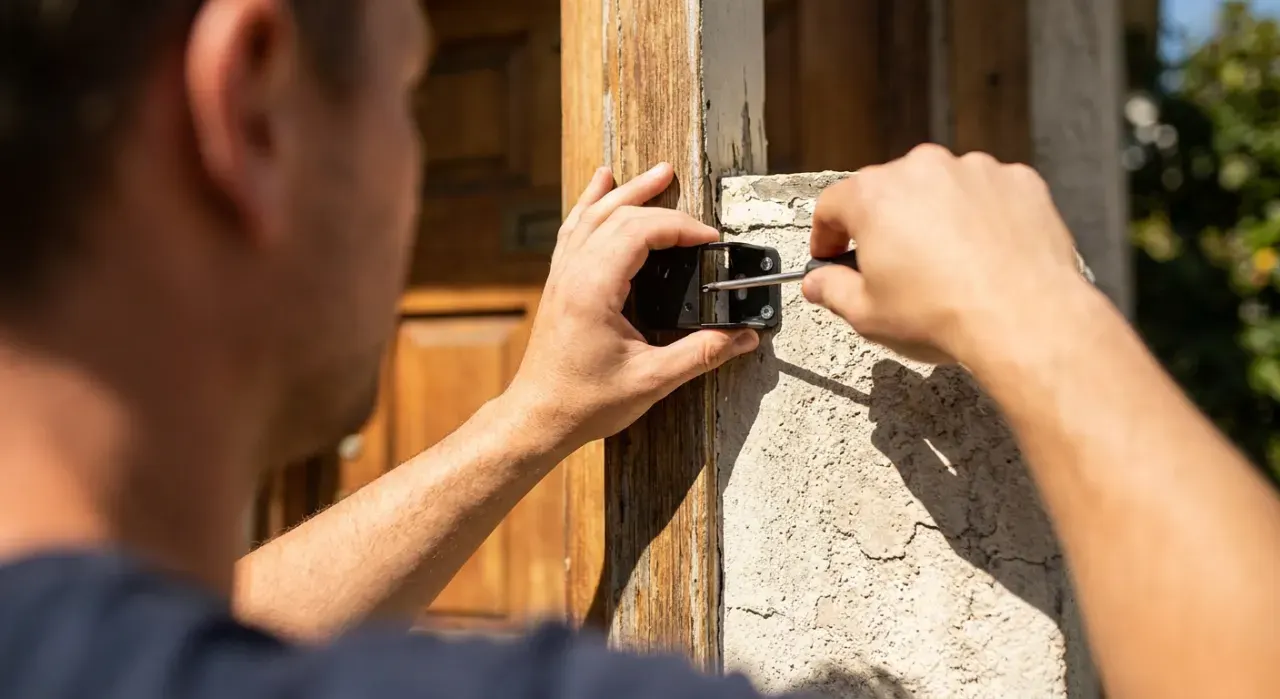
- Visibility matters more than resolution. A camera nobody notices during the approach deters nobody. This is why doorbell cameras and floodlight cameras outperform discreet units mounted under an eave.
- Occupancy cues and lighting rank higher than hardware. Lights on a varied schedule, a car in the drive and a well-lit approach address the thing offenders actually said they cared about. A motion sensor light and a smart plug on a lamp together cost less than one camera.
The recovery expectation, corrected
Most people buy a camera imagining a clear shot that identifies a burglar and gets their property back. That outcome is rare. Burglary clearance rates in the United States are low — FBI national figures have long placed them at roughly one in eight reported offenses, and you can browse the current data through the FBI Crime Data Explorer. Footage of a figure at 30 feet in infrared, wearing a hood, contributes very little to that.
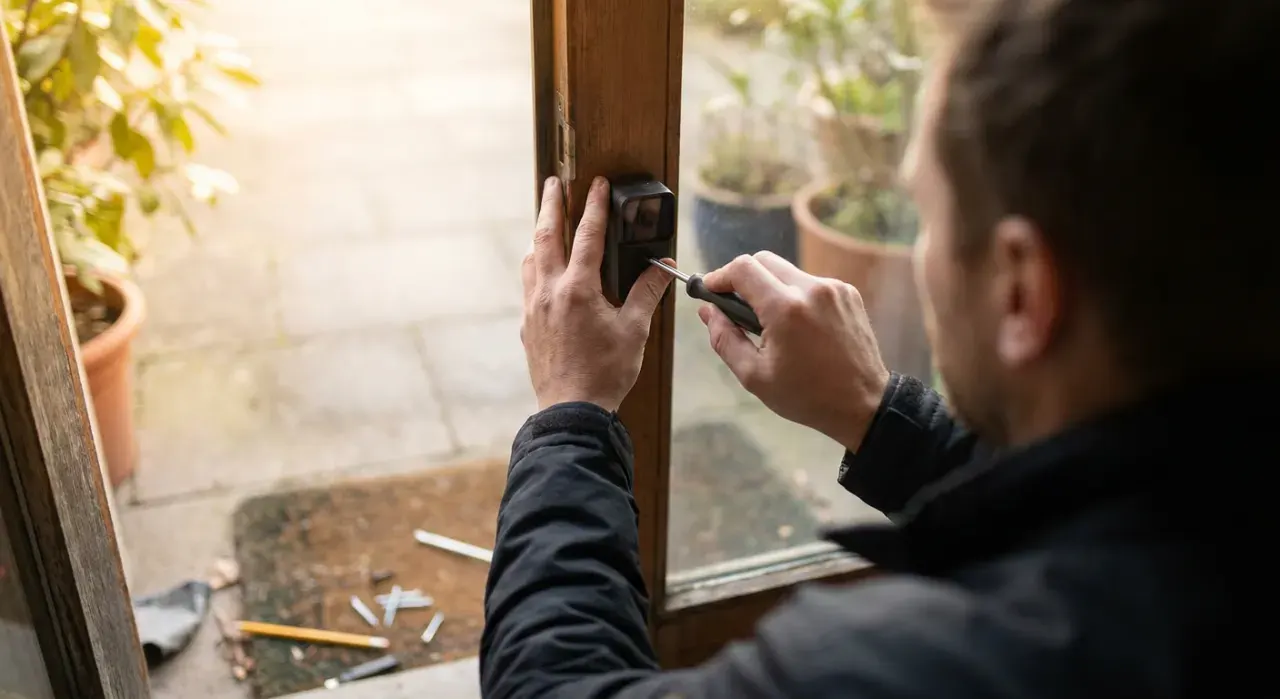
Footage becomes useful under narrow conditions: a face close and lit, a vehicle and plate, or a sequence that establishes exactly when something happened. That is an argument for camera placement rather than camera count — one camera at conversational distance at the door is worth more than four covering a yard. Our guides on where to place security cameras and how many cameras you need work through this, and the short version is: count entry points, not square feet.
The uses that actually justify the money
Here is the part the marketing underplays. Ask households who own a doorbell camera what they use it for, and burglary is rarely the answer. The recurring uses are mundane and genuinely valuable:
- Deliveries. Knowing a parcel arrived, seeing where it was left, and having a record if it disappears. This is the most-used feature by a distance.
- Answering the door without opening it. Particularly valuable for anyone living alone, elderly residents and households with small children asleep.
- Contractors and services. Confirming someone came, when they arrived and how long they stayed.
- Checking on pets, kids or an older relative. The most common reason indoor cameras are bought at all.
- Disputes. A neighbor argument, a delivery claim, a vehicle in the driveway, a damaged fence — a timestamped clip ends most of these quickly.
- Peace of mind while away. Real, if double-edged, as below.
If you judge a camera by those, one at the front door is easy to justify. If you judge it purely by burglary prevention, the case is much weaker and the honest recommendation would be to spend the money on a deadbolt, three-inch strike plate screws and better lighting first.
The cost that is not measured in dollars
Cameras have a price beyond the price. A cloud camera means a company holds footage of your home, your family and everyone who visits, and that is not a theoretical concern. In May 2023 the Federal Trade Commission announced a settlement requiring Ring to pay $5.8 million and to implement a comprehensive privacy and security program, over allegations that employees and contractors had accessed customers' private videos and that inadequate security allowed attackers to take over customer cameras through credential stuffing. Ring has since made two-factor authentication mandatory and introduced end-to-end encryption as an option. FTC press release on the Ring settlement. The structural point is not about one company: any cloud camera creates a copy of your home life that other people can potentially reach, and choosing local storage removes that exposure entirely.
Audio is legally different from video, and it is where households create problems for themselves. Video of a public sidewalk is generally permissible in the United States. Recording a conversation falls under wiretap law: federal law and most states allow it where one party consents, but a significant minority require every party to consent, and a doorbell running its microphone can capture a conversation between people on the sidewalk who have agreed to nothing. The Reporters Committee for Freedom of the Press maintains a state-by-state guide and the Department of Justice sets out the federal position. Check your own state, and know that every camera worth buying lets you turn the microphone off. This is general information rather than legal advice.
There is also a smaller, human cost. Some households find that alerts and footage make them more anxious rather than less — every passing car becomes a notification, and being able to check the house at 2am is an invitation to do it. If that describes you, fewer cameras and tighter motion zones are a genuine improvement rather than a compromise.
So: worth it, or not?
Worth it if you own or rent a home with a front door that receives deliveries and visitors, and you buy one camera that covers it well. Choose local storage, tune the motion zones, turn on two-factor authentication, and the five-year cost is under $200 for something you will use several times a week.
Worth it if there is a specific recurring problem you can name — a side gate that keeps being opened, a driveway where a car was damaged, a pet you need to check on. A camera aimed at a known problem is money well spent.
Not worth it as a general anxiety purchase, as a substitute for a proper deadbolt and lighting, or in the six-camera configuration most people are sold. And not worth it if the honest effect would be recording your neighbors more than your own property.
If the answer is yes, start at the door — the plan-free options are in doorbell cameras without a subscription, and the wider field is in best home security cameras. If you decide the answer is no, the money is better spent on three-inch strike plate screws, a deadbolt on every exterior door, trimmed shrubs and a good motion light — which is the least glamorous and most effective list in home security.
We never buy, install or physically handle the products we write about. Every judgement here is drawn from aggregated owner reviews, published research and public regulatory records — see how we rank.
More from this hub: Smart Home & Security · Do cameras deter burglars? · How many cameras do I need? · Subscription costs · Fake security cameras, honestly · How we rank