 Garden

Affiliate Disclosure
Some links on this page are affiliate links. As an Amazon Associate, we earn from qualifying purchases — at no extra cost to you. We do not buy, test, or physically handle the products we cover; our rankings come from aggregated owner reviews, ratings and expert consensus. Commissions never change our verdicts. How we rank · full disclosure.
The summer vegetables to plant fall into two groups: fast heat-lovers — bush beans, cucumbers, summer squash and corn — direct sown into warm soil, and, from midsummer, fall-garden crops like broccoli, cabbage, kale, carrots and beets started to mature in cool weather. The right pick depends on how many days remain before your first fall frost. This is a ready-to-sow list with soil temperatures in °F, days to maturity, and zone timing, so summer beds keep producing into autumn.
We do not test or physically handle the plants and products we cover; our guidance draws on horticultural extension research and the aggregated experience in thousands of owner reviews, as explained in how we rank.
First, count the days to frost
Every summer planting decision comes down to one number: the days between now and your average first fall frost. Match each crop to something that finishes inside that window. In early summer the window is wide and long-season crops still fit; by late summer only fast crops and hardy fall vegetables that survive past frost make sense. The full count-back method is in when to plant vegetables.
Add a small buffer to whatever the seed packet says. Days-to-maturity figures are measured under ideal conditions, and fall growth slows as the days shorten, so a crop that claims 55 days in the catalog often needs closer to 65 or 70 to finish in September and October. A practical rule is to add about two weeks to the listed maturity when you count back from frost. For crops you intend to harvest young and often — lettuce, arugula, baby turnips — you have more slack, because a partial harvest is still worth having. For crops that must reach full size, like a head of cabbage or a storage carrot, respect the deadline strictly or start with transplants to buy back several weeks.
Plant now: fast heat-lovers for a late harvest
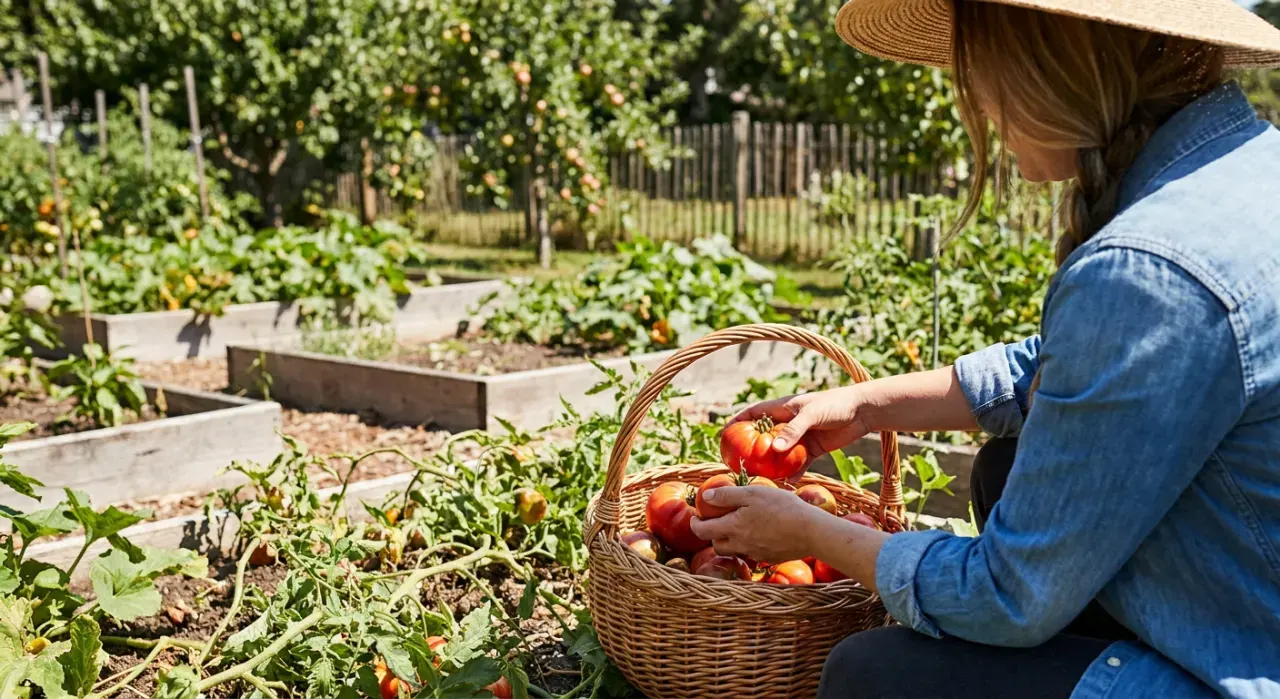
Warm soil is perfect for direct-sowing quick warm-season crops in early and midsummer.
| Crop | Soil temp to sow | Days to maturity |
|---|---|---|
| Bush beans | 60°F | 50 to 60 |
| Summer squash | 65°F | 45 to 55 |
| Cucumbers | 65°F | 50 to 60 |
| Radishes | — | 25 to 30 |
| Sweet corn (fast types) | 65°F | 65 to 75 |
These are the warm season vegetables to keep succession-sowing while summer soil stays warm.
Plant now: start the fall garden
From midsummer, the important planting is cool-season crops that need to mature as the days shorten.
| Crop | When to start | Days to maturity |
|---|---|---|
| Broccoli, cabbage (transplants) | Early to mid-July | 55 to 75 |
| Brussels sprouts | Early July | 90 to 110 |
| Carrots, beets | Mid-July to Aug | 55 to 80 |
| Kale, collards | July to Aug | 50 to 65 |
| Lettuce, spinach (late summer) | Aug | 30 to 50 |
The full autumn approach is in what to plant in fall, and the broader planning view is in fall garden vegetables. The reason these cool-season crops are sown in the heat of midsummer, counterintuitive as it feels, is that they need to reach maturity as the weather cools rather than while it is hot. Broccoli and cabbage started in July size up their heads in the mild days of September and October, when quality is far better than a heat-stressed spring crop. Long-season Brussels sprouts especially need this early start — sown much past early July in a cold zone, they simply will not form usable sprouts before winter. Starting brassicas as transplants in cell trays, kept in a shadier, easier-to-water spot, then setting them out at four to six weeks old, is the standard way to get them established without battling to germinate seed in a hot, dry bed.
Heat-tolerant greens for high summer
True spinach and lettuce bolt in the heat, but some greens thrive in it. Malabar spinach and New Zealand spinach — unrelated to true spinach — give cut-and-come-again leaves through the hottest weeks. Amaranth greens, Swiss chard and heat-tolerant lettuce cultivars like 'Jericho' hold longer before bolting. Basil peaks in summer heat right beside the tomatoes. These fill the salad gap that opens when spring greens give out, and keep something fresh coming from the summer garden.
A few placement tricks stretch even the marginal greens through midsummer. Sowing lettuce in the light shade cast by taller crops — the north side of a trellis of pole beans, or beneath caged tomatoes — keeps the soil cooler and delays bolting by days or weeks. Harvesting as baby leaf rather than waiting for full heads means the crop is done before heat ruins it. Watering in the early morning keeps roots cool through the hottest part of the day. And where nights stay warm, choosing genuinely tropical greens like Malabar spinach, molokhia or amaranth simply sidesteps the problem, since these plants want the heat that makes their temperate cousins give up.
Getting seed up in the heat
The hardest part of summer sowing is germination in hot, dry soil.
- Sow deeper so seed reaches cooler, moister soil.
- Water daily until seedlings emerge — never let the seedbed dry.
- Shade the row with a board or cloth for the first few days.
- Mulch once up to hold moisture and cool the root zone.
- Start brassicas as transplants in a shadier spot, then set out.
Timing the watering matters as much as the amount. Water early in the morning so the seedbed goes into the heat of the day already moist, and check it again in the late afternoon during a hot spell, since a shallow sowing can dry out completely between morning and evening. Once seedlings are up and mulched, they need that daily attention far less, but the few days between sowing and emergence are unforgiving in summer. Many gardeners find pre-sprouting seed indoors on a damp paper towel, then planting the just-germinated seed, sidesteps the worst of the hot-soil germination problem for crops like beans, cucumbers and lettuce.
When to plant by zone
| USDA zone | Heat-crop sowing | Fall-garden start |
|---|---|---|
| 3 to 4 | June to early July | Early to mid-July |
| 5 to 6 | June to July | July to early Aug |
| 7 | June to July | Aug |
| 8 | Sow early; avoid peak heat | Aug to Sep |
| 9 to 10 | Heat-tolerant crops only | Sep onward |
Summer planting tips
- Count days to frost before every sowing — it decides what finishes.
- Keep the seedbed moist — heat and drought are the summer enemies.
- Succession-sow beans and squash every couple of weeks.
- Start fall brassicas by midsummer — a late start means a failed crop.
- Lean on heat-tolerant greens when spring lettuce bolts.
Related: what to plant in summer, fall garden vegetables, the vegetable planting calendar, and how we rank.