 Garden
Affiliate Disclosure
Some links on this page are affiliate links. As an Amazon Associate, we earn from qualifying purchases — at no extra cost to you. We do not buy, test, or physically handle the products we cover; our rankings come from aggregated owner reviews, ratings and expert consensus. Commissions never change our verdicts. How we rank · full disclosure.
What to plant in July depends on your zone: cold and temperate gardeners in zones 3 to 7 begin the fall garden — sowing fall brassicas, carrots, beets, and a final round of fast beans and squash — while warm zones 8 to 9 plant fall tomatoes and manage heat, and frost-free zones 10 to 11 rest beds through the tropical summer. July is the pivot from summer harvest to fall planting; the count-back from first frost now drives every sowing decision. Here is the crop-by-crop plan for each climate band.
We do not test or physically handle the plants and products we cover; our guidance draws on horticultural extension research and the aggregated experience in thousands of owner reviews, as explained in how we rank.
July marks a quiet but important turn in the gardening year: the shift from summer harvest to fall planting. While the summer crops set in spring are producing heavily, the smart gardener is already looking the other way, starting the second major planting season of the year. The fall garden is timed in reverse of spring — instead of counting forward from the last frost, you count backward from the first fall frost, adding a couple of weeks because growth slows as the days shorten. In cool and temperate zones July is when the long-season fall brassicas and the first fast fall greens go in, and the payoff is real: a fall garden often outperforms spring, because pests fade and many crops sweeten as the weather cools. The hardest part is working against the season's grain, coaxing cool-season seed to germinate in hot, dry midsummer soil. In the warm South, July is a month of heat management and fall tomatoes, while the frost-free tropics largely rest under cover crops through the peak of summer. Below, each climate band gets its own crop-by-crop plan.
July planting at a glance by zone
Find your band, then read the matching section. July timing works backward from your first fall frost, so the length of your remaining season decides which crops still have time to mature.
| USDA zone | July focus | Key action |
|---|---|---|
| 3 to 5 (cold) | Fast fall crops begin | Sow beans, squash, spinach, lettuce, radishes |
| 6 to 7 (temperate) | Fall garden planting | Sow and transplant brassicas, carrots, beets |
| 8 to 9 (warm) | Heat crops and fall tomatoes | Plant fall tomatoes; keep heat-lovers going |
| 10 to 11 (frost-free) | Summer rest | Cover crops; minimal planting |
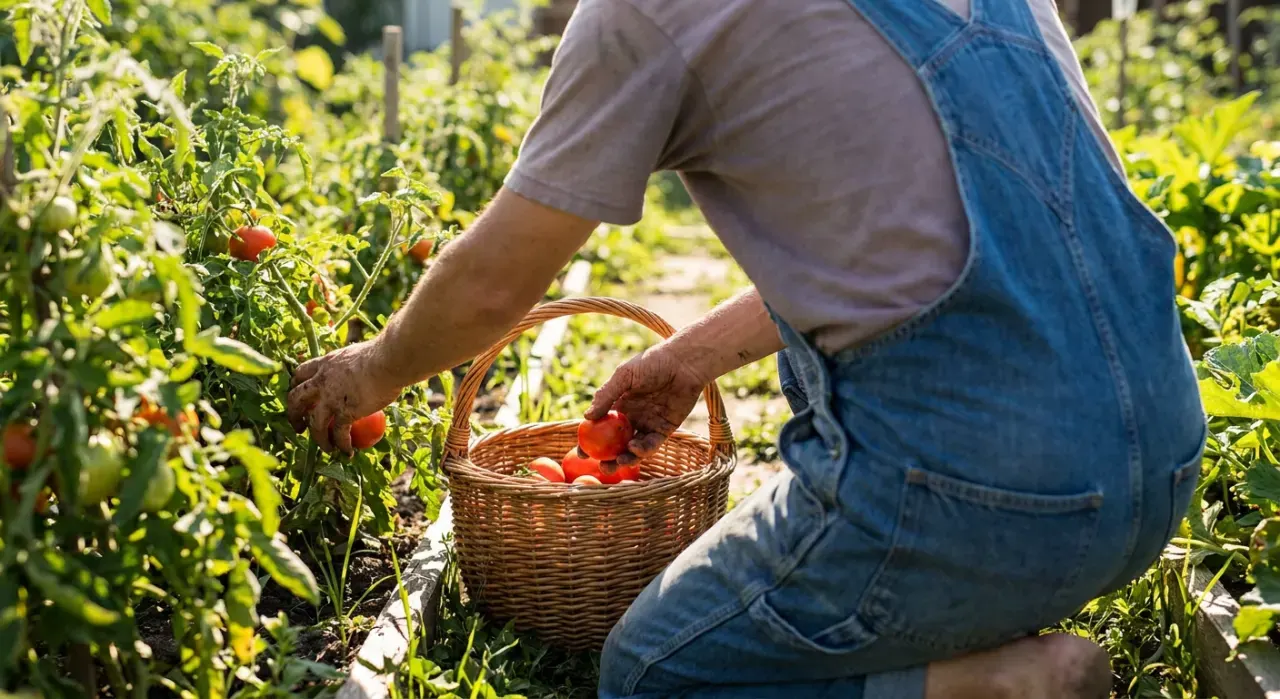
Cold regions (zones 3-5): fast fall crops and last successions
With a short fall ahead, northern gardeners use July for fast crops that will finish before the early frost. There is still time for a final round of quick summer vegetables and the start of the cool-season fall garden.
| Crop | Method | Days to maturity |
|---|---|---|
| Bush beans | Direct, 1 in. deep | 50 to 60 |
| Summer squash and cucumbers | Direct, 1 in. deep | 50 to 60 |
| Fall spinach and lettuce | Direct, ½ in. deep | 40 to 50 |
| Radishes and baby turnips | Direct, ½ in. deep | 25 to 50 |
| Fall brassicas (from starts) | Transplant | 50 to 70 |
Get fast summer crops in during the first week or two, and start the cool-season fall crops from mid-July on. Because the northern first frost can arrive as early as September, choose the shortest-season varieties and get seed germinating despite the heat by watering often and shading rows.
Temperate regions (zones 6-7): prime fall planting begins
July is the heart of fall-garden planting in zones 6 and 7. The generous autumn ahead means a full range of cool-season crops can be sown or transplanted now to mature in the cool, pest-light weeks of fall.
- Brassicas — transplant broccoli, cabbage, cauliflower, and kale started in June; set Brussels sprouts now for a fall-into-winter harvest.
- Root crops — direct-sow carrots, beets, and turnips for fall; carrots left in the ground sweeten after frost.
- Beans — a final direct sowing of bush beans early July still crops before frost.
- Fall greens — begin lettuce, spinach, and Asian greens later in the month as heat eases.
Fall crops usually follow spent summer vegetables, so refresh beds with an inch of compost before replanting, and mind rotation — do not follow one brassica with another in the same bed. For the full fall lineup and timing, see fall vegetables to plant.
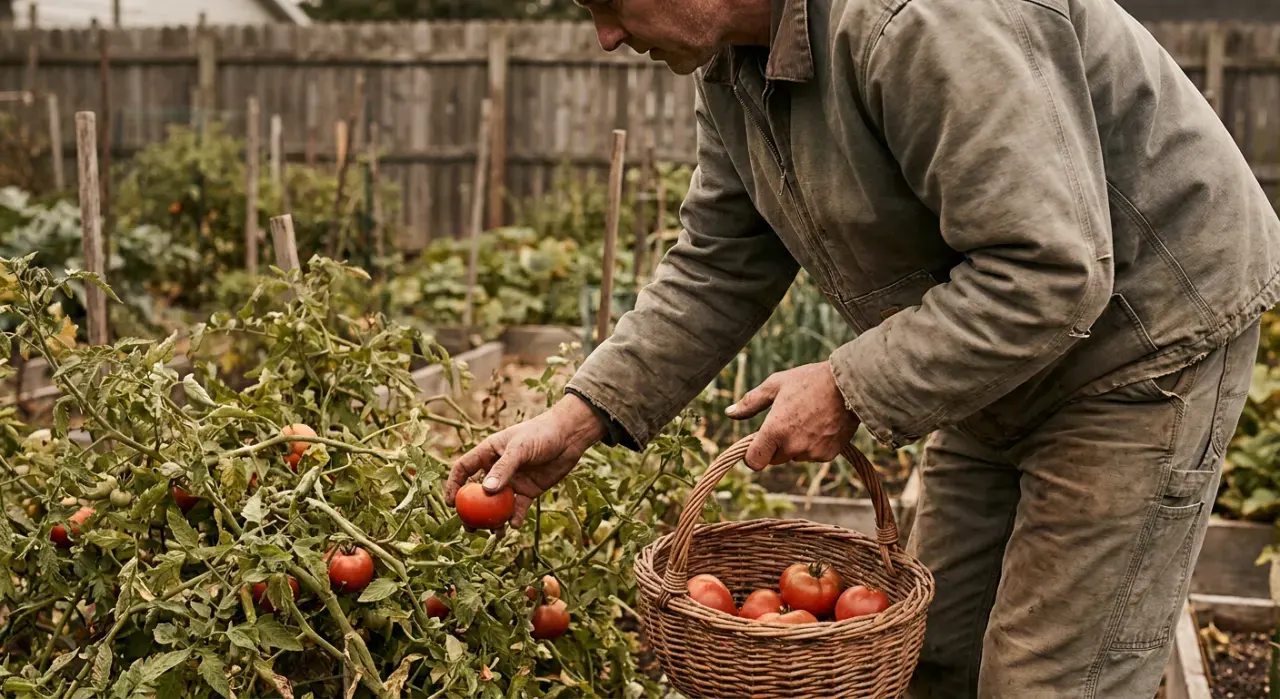
Warm regions (zones 8-9): fall tomatoes and heat management
In the warm South, July is hot, but it is also the moment to plant a fall tomato crop and keep heat-lovers producing while preparing for the region's best season.
| Crop | Method | Notes |
|---|---|---|
| Fall tomatoes | Transplant heat-set varieties | Fruit as temperatures ease in fall |
| Okra and southern peas | Direct, 1 in. deep | Thrive in midsummer heat |
| Sweet potatoes | Ongoing crop | Keep mulched and watered |
| Pumpkins for fall | Direct, 1 in. deep | Time to mature by October |
Getting fall tomatoes and pumpkins in now gives them the long lead time they need. Mulch heavily and water deeply to carry everything through the July heat, and finish planning the cool-season fall garden that opens in the coming weeks.
Frost-free regions (zones 10-11): the summer fallow
In south Florida, deep south Texas, coastal southern California, and Hawaii, July is peak tropical summer — hot, humid, and hard on vegetables. Most gardeners keep beds resting under a cover crop such as cowpeas or sunn hemp, which suppresses weeds, adds organic matter, and breaks pest cycles before the fall growing season. Only the toughest crops — okra, sweet potato, boniato, malabar spinach, yard-long beans — keep producing. The productive planting season returns in fall, so July is best spent improving soil, ordering fall and winter seed, and mapping the coming garden. A cover crop turned under before fall planting leaves the soil richer and looser than it was, and clearing spent summer crops now reduces the pest and disease load carried into the productive months ahead. Patience through the tropical summer sets up a far stronger fall.
Winning at midsummer germination
The single biggest obstacle to a July fall garden is getting seed to sprout in hot, dry soil. Cool-season seeds are especially fussy — lettuce and spinach germinate poorly above 80°F. These techniques make the difference.
- Sow deeper than in spring — an extra quarter inch reaches cooler, moister soil.
- Water daily until emergence — sometimes twice a day in a heat wave; a dried-out seedbed means a failed sowing.
- Shade the row — a board or light shade cloth over the seeded row for a few days holds moisture and cools the surface.
- Pre-sprout or start in a cool spot — germinate heat-shy lettuce and spinach indoors or in shade, then transplant.
Common July planting mistakes
| Mistake | Result | Fix |
|---|---|---|
| Letting seedbeds dry out | Patchy or failed germination | Water daily and shade the row until emergence |
| Planting long-season fall crops too late | Crops fail to mature before frost | Count back from first frost and match days to maturity |
| Following brassica with brassica | Soil disease carries over | Rotate fall greens into different ground |
| Starting new tomatoes in the cold-zone north | No time to ripen before frost | Focus on fast fall crops instead |
Protecting fall brassicas from summer pests
The broccoli, cabbage, kale, and collards planted in July face a particular hazard: they go into the garden at the peak of insect season, when cabbage worms, flea beetles, and aphids are most active. Tender fall brassica transplants are far more vulnerable than the tough spring crops that grew in cool weather, so a little protection at planting saves the crop.
- Cover at transplanting — floating row cover over hoops keeps cabbage white butterflies from laying eggs on the plants, which is the single most effective defense against the green cabbage worms that riddle brassica leaves. Because these fall crops do not need insect pollination, the cover can stay on until harvest.
- Watch for flea beetles — these tiny jumping beetles pepper brassica and Asian-green seedlings with shot-hole damage; row cover excludes them, and healthy, well-watered plants outgrow light feeding.
- Scout for aphids and eggs — check the undersides of leaves regularly and rub off the yellow egg clusters and aphid colonies before they build up.
Cleaning up spent summer crops as beds free up also cuts the pest and disease load carried into fall, since many problems overwinter in old plant debris. Rotation matters here too: fall brassicas should follow beans, squash, or tomatoes rather than a spring brassica crop, because clubroot and other soil diseases build up when the same family repeats in one bed. Keep the new transplants well watered through the July heat so they establish quickly and grow past the vulnerable seedling stage — a stressed, checked transplant is far more likely to be overwhelmed by pests than one growing strongly. With covers in place and beds refreshed, July-planted brassicas head into the cooling weeks of fall as some of the most rewarding crops of the year.
Related: look back at what to plant in June, ahead to what to plant in August, review the full summer planting guide, or read how we rank.