 Garden

Affiliate Disclosure
Some links on this page are affiliate links. As an Amazon Associate, we earn from qualifying purchases — at no extra cost to you. We do not buy, test, or physically handle the products we cover; our rankings come from aggregated owner reviews, ratings and expert consensus. Commissions never change our verdicts. How we rank · full disclosure.
The short answer: choose a gear-drive (rotor) sprinkler for a big open lawn with decent water pressure and clean water — it runs almost silently, covers large areas evenly, and hides its mechanism from dirt. Choose an impact sprinkler if your pressure is low, your water carries grit from a well or pond, or you simply want a rugged, forgiving head and do not mind the tick-tick-tick sound. Both throw water far across a lawn; the deciding factors are your water pressure, how clean the water is, and whether noise bothers you.
Both are rotating sprinklers built to cover large areas from one head; the difference is the drive mechanism and how it copes with pressure, dirt and noise. Our guidance comes from irrigation best practice and aggregated owner reviews, explained in how we rank. The full field lives at the watering and irrigation hub.
Gear-Drive vs Impact at a Glance
| Dimension | Gear-Drive (Rotor) | Impact |
|---|---|---|
| Mechanism | Sealed internal gears | Exposed spring arm |
| Noise | Nearly silent | Tick-tick-tick |
| Low pressure | Needs adequate pressure | More forgiving |
| Dirty / hard water | Can clog | Tolerates it |
| Coverage | Even, large areas | Large areas, adjustable arc |
| Exposure to grit | Protected inside | Exposed to wear |
| Price | Comparable | Comparable |
| Best for | Big lawns, clean water, quiet | Low pressure, dirty water, rugged |
Pressure and water quality
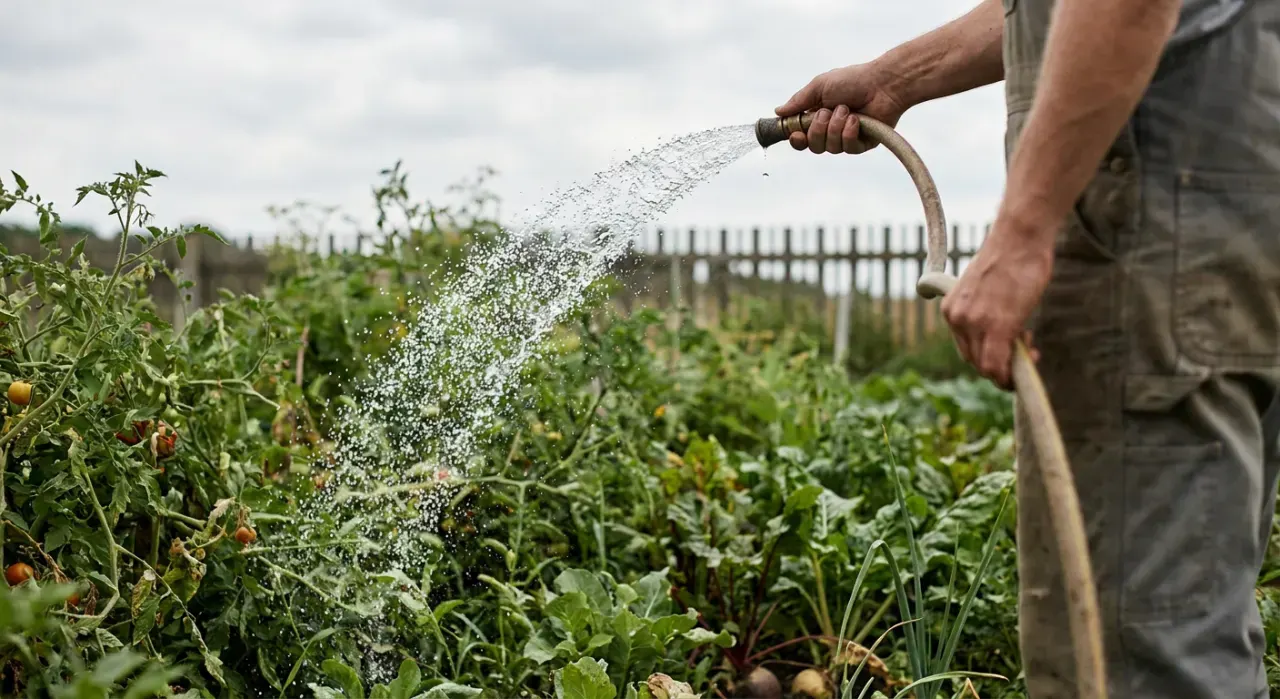
These two factors decide most of the choice. An impact sprinkler is the forgiving one: its simple exposed mechanism keeps throwing distance on modest pressure and shrugs off grit, sand and hard water, which makes it the natural pick for a well, a pond, or a long hose run where pressure sags. A gear-drive rotor needs adequate pressure to rotate evenly and prefers clean water, because its sealed gear train can be fouled by sediment. Check the pressure range printed on the head against your supply before buying — a rotor starved of pressure waters unevenly, and one fed dirty water can jam. For a very low-pressure yard, the fix might be a different watering method entirely, such as the soaker approach in drip vs soaker hose.

Coverage and noise
Both heads are built to cover large areas from a single point, and both let you set the arc so you water the lawn and not the driveway. The everyday difference owners notice is noise: a gear-drive turns smoothly and almost silently, while an impact makes its signature ticking as the spring arm slaps back against the stream. Near a patio, a bedroom window, or a shared fence line, that quiet is worth a lot and points to the gear-drive. Coverage evenness is generally very good on a rotor with proper pressure, and any sprinkler waters best in the early morning to cut evaporation and wind drift — see the best time of day to water. For ranked heads, see our best lawn sprinklers.
Durability and setup
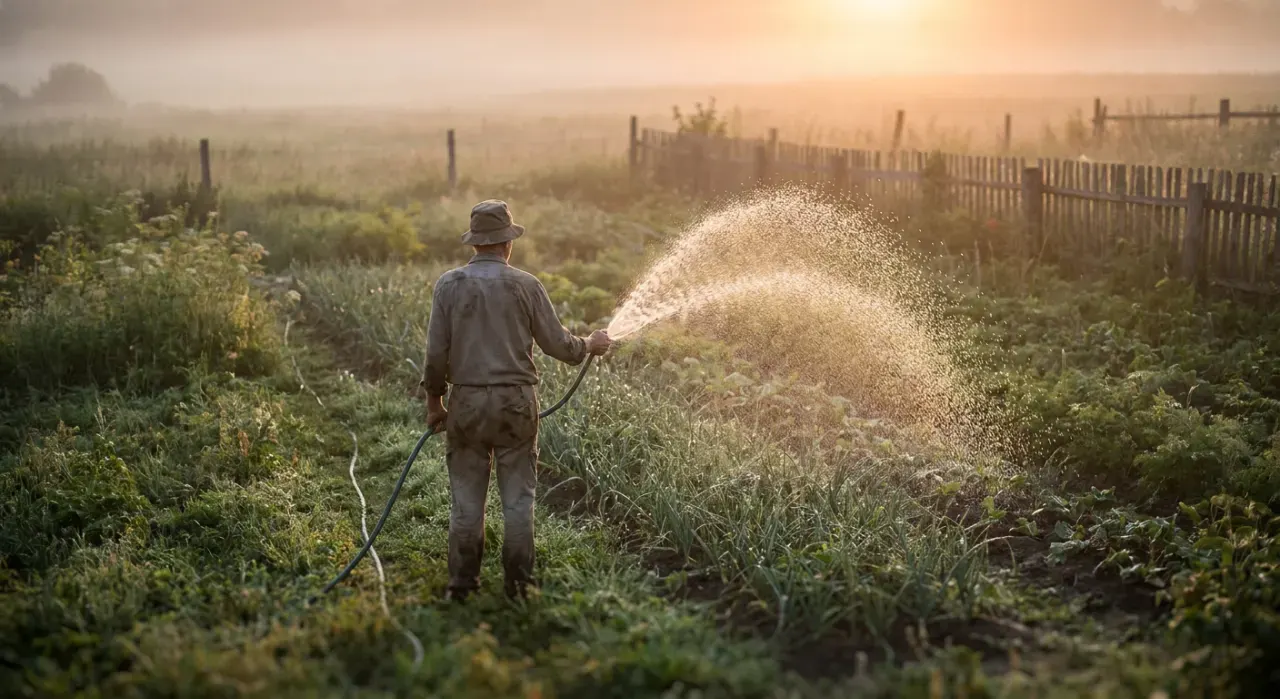
Longevity comes down to conditions. An impact sprinkler is mechanically rugged and simple, but its exposed arm and spring are gradually worn by grit and weather. A gear-drive keeps its parts sealed from dirt, so on clean water it can run quietly for many years without exposure wear — the trade is that dirty water reaches those internal parts and shortens its life. Either way, buy a quality head, match it to your pressure and water, and pair it with a timer so the lawn is watered deeply and early without you standing there. A hose-end timer setup is covered in our best hose timers, and keeping the whole system alive through winter is in how to winterize an irrigation system.
Which should you buy?
Buy a gear-drive rotor for a large lawn with adequate pressure and clean water, where quiet operation and even coverage matter — near patios and windows especially. Buy an impact sprinkler for low pressure, gritty or hard water, or when you want a rugged, forgiving head and do not mind the noise. Check the pressure range against your supply first, since that is the most common reason a sprinkler disappoints, and set it to run early in the morning for the deepest, most efficient watering.