 Garden

Affiliate Disclosure
Some links on this page are affiliate links. As an Amazon Associate, we earn from qualifying purchases — at no extra cost to you. We do not buy, test, or physically handle the products we cover; our rankings come from aggregated owner reviews, ratings and expert consensus. Commissions never change our verdicts. How we rank · full disclosure.
A cold frame is a low, unheated box with a clear sloped lid that traps solar heat to protect seedlings and hardy greens, extending the season cheaply in a small footprint; a greenhouse is a walk-in structure with clear walls that offers far more space, height, and control, including optional heating and ventilation for year-round growing, at a much higher cost and with siting and airflow to manage. Choose a cold frame for budget season extension and hardening off. Choose a greenhouse for serious, high-volume, or year-round growing. Many gardeners start with a cold frame and add a greenhouse later.
A small box versus a growing building
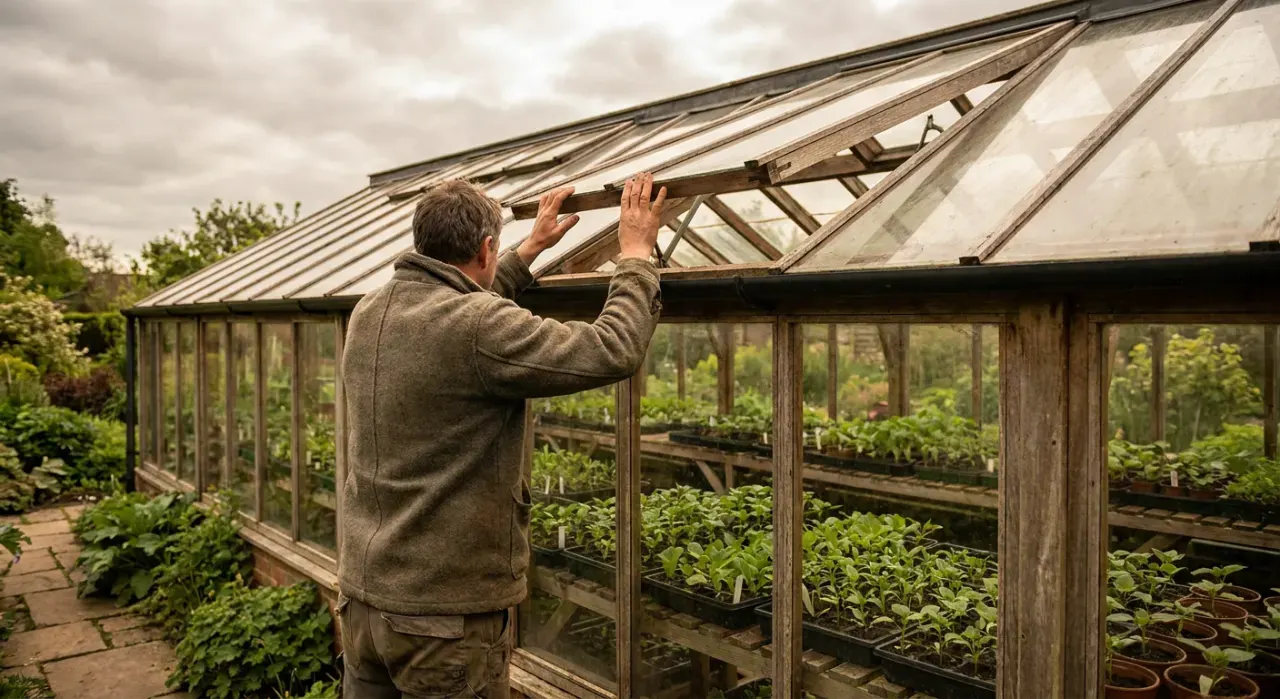
The scale and purpose differ. A cold frame is essentially a mini-greenhouse at ground level: a bottomless frame with a transparent lid you reach into from above, relying on the sun alone for a modest warmth boost to shelter low, cold-tolerant plants. A greenhouse is a building you walk into and work inside, with room for tall plants, shelving, and equipment, and it can be heated, ventilated, and outfitted for a controlled environment. The cold frame extends the shoulder seasons; the greenhouse can create a growing season of its own.
Cold frame vs greenhouse at a glance
| Cold frame | Greenhouse | |
|---|---|---|
| Size / access | Low box, reach from above | Walk-in structure |
| Heat source | Sun only, ~5–10°F boost | Sun, optional heating |
| Growing capacity | Small, low plants | Large, tall plants |
| Year-round use | Season extension | Possible with heat |
| Space needed | A few square feet | A dedicated footprint |
| Typical price | ~$60–250 (or DIY cheap) | ~$300–3,000+ |

Which matches your goals?
Decide by what you want to grow and how much. If your aims are hardening off transplants, overwintering hardy greens, herbs, and cool-season crops, and squeezing a few extra weeks out of each end of the season, a cold frame does it cheaply and takes up little room. If you want to grow tomatoes and tender crops earlier, start seeds in quantity, keep tropical or potted plants over winter, or garden comfortably out of the weather year-round, a greenhouse is the tool. Space and budget usually settle the rest.
Managing heat and moisture in each
Both live or die by ventilation. On a sunny day even in cold weather, a closed cold frame or greenhouse heats up quickly and can cook the plants inside, so you vent, propping the cold frame lid or opening greenhouse windows and doors, then close up before the cold night returns; automatic vent openers make this reliable. Greenhouses also need attention to humidity and airflow to prevent disease. A cold frame is far simpler to manage but offers less protection; a greenhouse gives more control but demands more of it.

Which should you get?
Get a cold frame if you want an affordable, low-effort way to extend the season, harden off seedlings, and grow hardy crops later into fall and earlier in spring, it's the sensible first step and fits any garden. Get a greenhouse if you're ready to invest in space and cost for far greater capacity, taller crops, and the option of heated year-round growing. Starting with a cold frame and graduating to a greenhouse as your ambitions grow is a common, satisfying path.
Where to go next
Ready to buy? Our picks for the best cold frames, the best backyard greenhouses, and row covers and frost cloth rank current products on the ratings and complaints owners report. Comparing all the options? See greenhouse vs hoop house vs cold frame and greenhouse sizing and siting. Everything sits under the greenhouses and season extension hub.
We never buy or physically test the products we rank — our recommendations come from aggregated owner reviews and expert consensus, and the method is on how we rank.