Written & researched byPriya AnandDIY & Tools Editor
Updated February 2026
Affiliate Disclosure
Some links on this page are affiliate links. As an Amazon Associate, we earn from qualifying purchases — at no extra cost to you. We do not buy, test, or physically handle the products we cover; our rankings come from aggregated owner reviews, ratings and expert consensus. Commissions never change our verdicts. How we rank · full disclosure.
Painting a light color over a dark wall is easy DIY that just needs one insider trick to avoid endless coats: a gray-tinted primer. A room is a weekend, no permit or pro, and materials run $80 to $200. The mistake that turns this into a four- or five-coat marathon is priming with white (or skipping primer) and letting the dark color ghost through. Instead, have the store tint your primer gray to suit your new color, prime once, and cover in two finish coats. The tinted primer neutralizes the old color so light paint hides it cleanly.
How to Paint Over a Dark Wall — Ace Hardware
Step-by-step: going light over a dark wall
Prep and clean. Fill holes, sand them flush, and wash the wall. A clean, smooth surface lets each coat cover evenly.
Get a gray-tinted primer. Ask the paint store to tint your primer to the gray they recommend for your topcoat color. Gray neutralizes the dark far better than white.
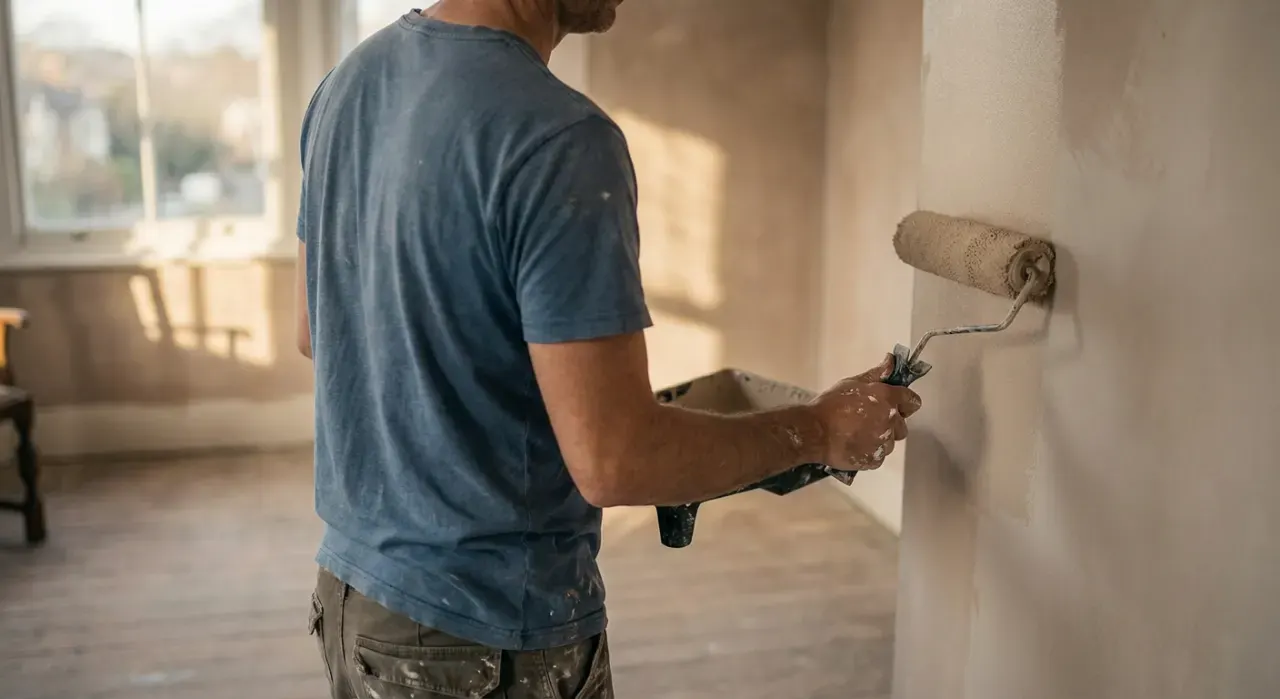
Cut in and prime. Cut in the edges, then roll a full, even coat of the tinted primer over the whole wall. Let it dry completely.
First finish coat. Apply your light color in a full, even coat — do not stretch it thin. Keep a wet edge and cover the wall completely.
Let it dry, then recoat. Wait the full recoat time (2 to 4 hours typically). Rushing the second coat drags the first and lets the dark ghost through.
Second finish coat. Apply the second coat the same way. Over tinted primer, this usually completes the coverage.
Check in raking light. Look across the wall under a light for any thin or ghosting spots and touch up. One extra coat finishes stubborn areas.
Tools and materials
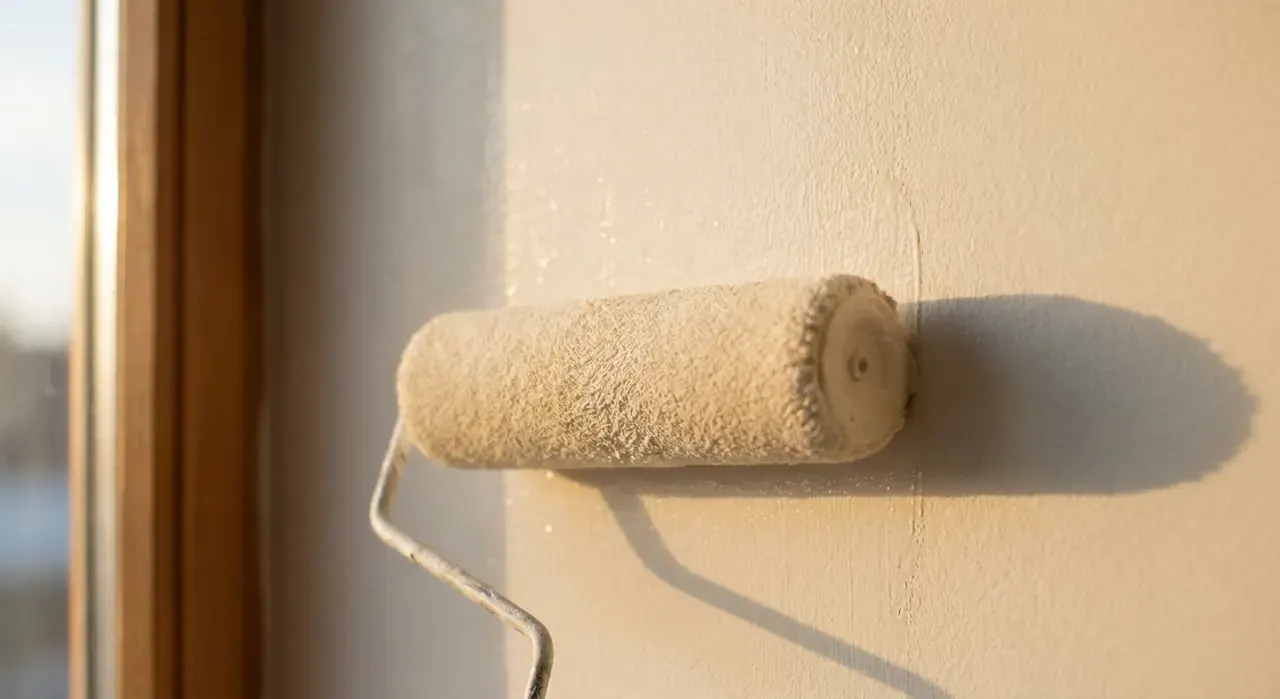
You need a gray-tinted primer, a good-hiding light paint, a roller and brush, a tray, and painter's tape. Hiding power is everything here, so the paint you choose directly affects how many coats you need — our interior paint picks call out the lines with the best coverage. A quality roller lays a full, even film that helps the light color cover, and clean painter's tape keeps your edges sharp through multiple coats. The overall process follows our painting a room guide, with the tinted-primer step added.
Mistakes that cause endless coats
White primer over dark. The dark bleeds through. Use a gray-tinted primer.
Relying on paint-and-primer. Not enough hide for dark-to-light. Use real tinted primer.
Thin coats. The old color ghosts. Apply full, even coats.
Rushing the recoat. Drags and thins the first coat. Wait the full dry time.
Cheap low-hide paint. Fights you for coats. Choose a paint with strong coverage.
We never buy, test or physically handle the products we rank. Recommendations come from aggregated owner reviews, star ratings, review volume and expert consensus — see how we rank.
How do you paint a light color over a dark wall without many coats?
Prime first with a primer tinted gray, and you will usually cover in two finish coats instead of four or five. A white primer over a dark wall still lets the dark bleed through, but a gray-tinted primer neutralizes the old color to a mid-tone that light paint covers easily. Ask the paint store to tint your primer to a gray recommended for your topcoat color (they have charts for this). Prime, let it dry, then apply two coats of your light color. The tinted primer is the single biggest time-and-paint saver for a dark-to-light change.
Do you need primer to paint over a dark wall, or is paint-and-primer enough?
For a dark-to-light change, use a real tinted primer — paint-and-primer-in-one is not enough. Self-priming paint is designed for repainting similar colors on sound walls, not for hiding a dark color under a light one. Over a dark wall it will take coat after coat and still ghost. A dedicated primer, tinted gray to suit your new color, blocks the old color far more effectively and cuts your finish coats to two. Save the self-priming paint for routine repaints; reach for tinted primer whenever you are going significantly lighter.
How many coats does it take to cover a dark wall?
With a gray-tinted primer plus a quality light paint, usually two finish coats. Without primer, going light over dark can take four, five, or more coats and still look uneven. The number depends on how dark the old color is, how light and how opaque the new one is, and whether you primed. Deep reds and dark blues are the hardest to cover. Prime tinted, use a paint with good hide, apply full even coats, and let each dry fully — that combination reliably gets you there in two topcoats rather than an endless battle.
Why does the dark color keep showing through my new paint?
Because you skipped tinted primer, applied coats too thin, or did not let them dry between. A dark color has a lot of pigment to hide, and thin or rushed light coats let it telegraph through as a shadow or blotch. The fix is a gray-tinted primer to knock down the old color first, then full (not skimpy) coats of a good-hiding paint, each dried the full recoat time before the next. If it is still ghosting after two proper coats over tinted primer, one more coat almost always finishes it — but the primer is what prevents the endless cycle.
Can you paint a dark color over a dark wall, or only light over dark?
You can paint dark over dark, and it is easier than light over dark — the new dark color hides the old one readily, often in two coats without special priming. The hard direction is always light over dark, because light paint has less hiding pigment. If you are going from one dark color to another, prep and clean the wall, use a quality paint, and two coats usually do it. If the new color is a very different dark hue (say dark green over dark red), a tinted primer still helps even things out, but coverage is rarely the struggle it is going lighter.
We value your privacy
We use cookies to run essential site features and, with your consent, analytics (Google Analytics) to understand how the site is used. You can accept, reject non-essential cookies, or read our Cookie Policy and Privacy Policy.
 Garden