 Garden
Affiliate Disclosure
Some links on this page are affiliate links. As an Amazon Associate, we earn from qualifying purchases — at no extra cost to you. We do not buy, test, or physically handle the products we cover; our rankings come from aggregated owner reviews, ratings and expert consensus. Commissions never change our verdicts. How we rank · full disclosure.
The short answer: prune most fruit trees in late winter while they are dormant and leafless, so you can see the structure and cuts heal fast as growth resumes. Work in this order: remove dead, diseased, and damaged wood first; then take out crossing, rubbing, and inward-growing branches; then thin to open the center to light and air. Never remove more than about a quarter of the canopy in one year, and make clean cuts just outside the branch collar with sharp, sanitized tools. Apricots and cherries are the exception — prune those in late summer.
Pruning a fruit tree is not about making it smaller; it is about building a strong framework, letting light reach the fruit, and keeping air moving to prevent disease. A well-pruned tree gives larger, better fruit and lives longer than a neglected one. It looks intimidating, but the logic is simple and forgiving once you understand what each cut is for. This guide covers when to prune, the cuts to make in order, and the mistakes to avoid.
When to prune — and the two exceptions
Timing depends on the fruit. Get it right and cuts heal cleanly with far less disease risk.
| Fruit tree | Best time to prune | Why |
|---|---|---|
| Apple, pear (pome fruit) | Late winter, dormant | See structure; fast healing; controls vigor |
| Plum, peach, nectarine | Late winter to early spring | Dormant shaping before growth |
| Apricot, cherry | Late summer, after harvest | Avoids silver leaf and bacterial canker |
The reason cherries and apricots break the rule is disease: the fungal and bacterial infections that attack them spread most in cool, wet dormant conditions, so pruning them in dry late summer, when wounds close quickly, cuts the risk sharply. For everything else, dormant winter pruning is the standard.
Get the right, sharp, clean tools
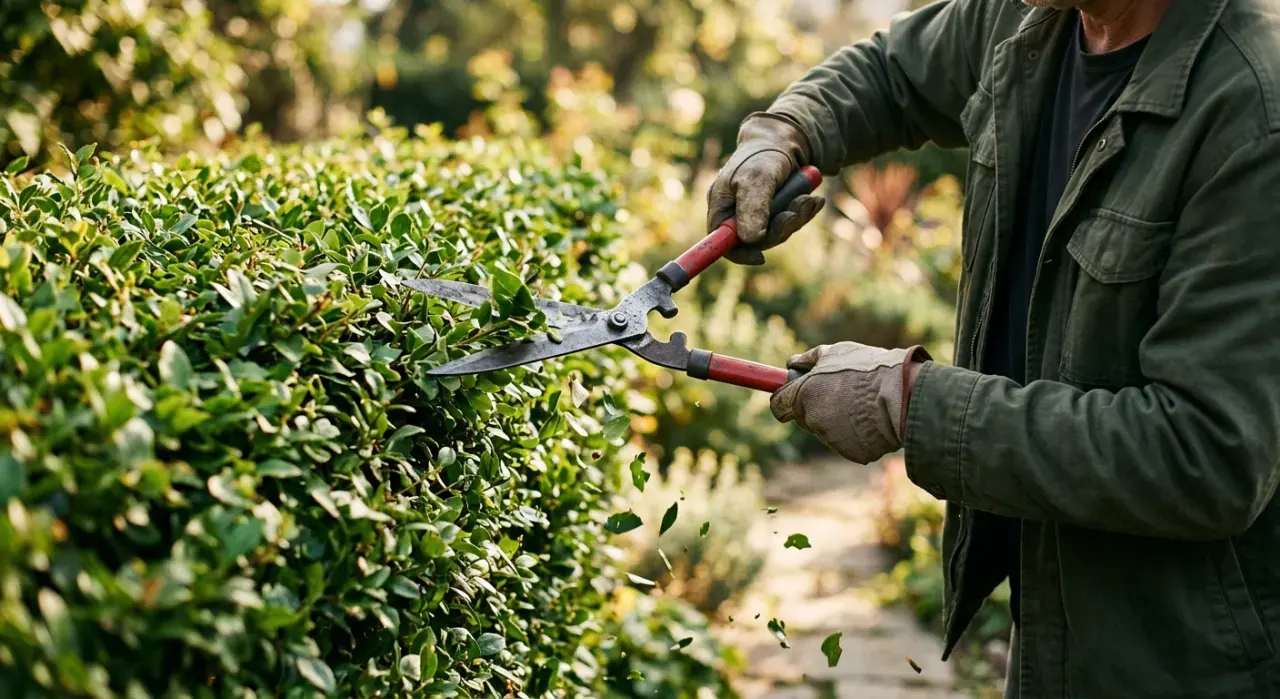
Clean cuts heal; ragged, crushed cuts invite disease. Three tools handle most home trees.
- Bypass hand pruners for shoots up to about half an inch — bypass blades cut cleanly on live wood.
- Bypass loppers for branches up to about an inch and a half — see best loppers and why bypass beats anvil in bypass vs anvil loppers.
- A pruning saw for anything thicker — the field is in best pruning saw for fruit trees. We rank on aggregated owner reviews, not in-house testing, as explained in how we rank.
- A pole pruner or pole saw for high branches on a mature tree, to avoid a ladder.
Sanitize blades between trees with alcohol or a diluted bleach solution, and keep them sharp — a dull tool tears rather than cuts.
Know the two kinds of cut
Almost every pruning decision is one of two cuts, and knowing which to use is most of the skill.
| Cut | What it does | When to use it |
|---|---|---|
| Thinning cut | Removes a whole branch back to its origin | To open the canopy — the main fruit-tree cut |
| Heading cut | Shortens a branch to a bud | To encourage branching and control height, used sparingly |
Fruit trees are pruned mostly with thinning cuts, which open up light without triggering the dense regrowth that heading cuts cause. Overusing heading cuts is a classic beginner error that produces a thicket of weak shoots.
The pruning sequence, step by step
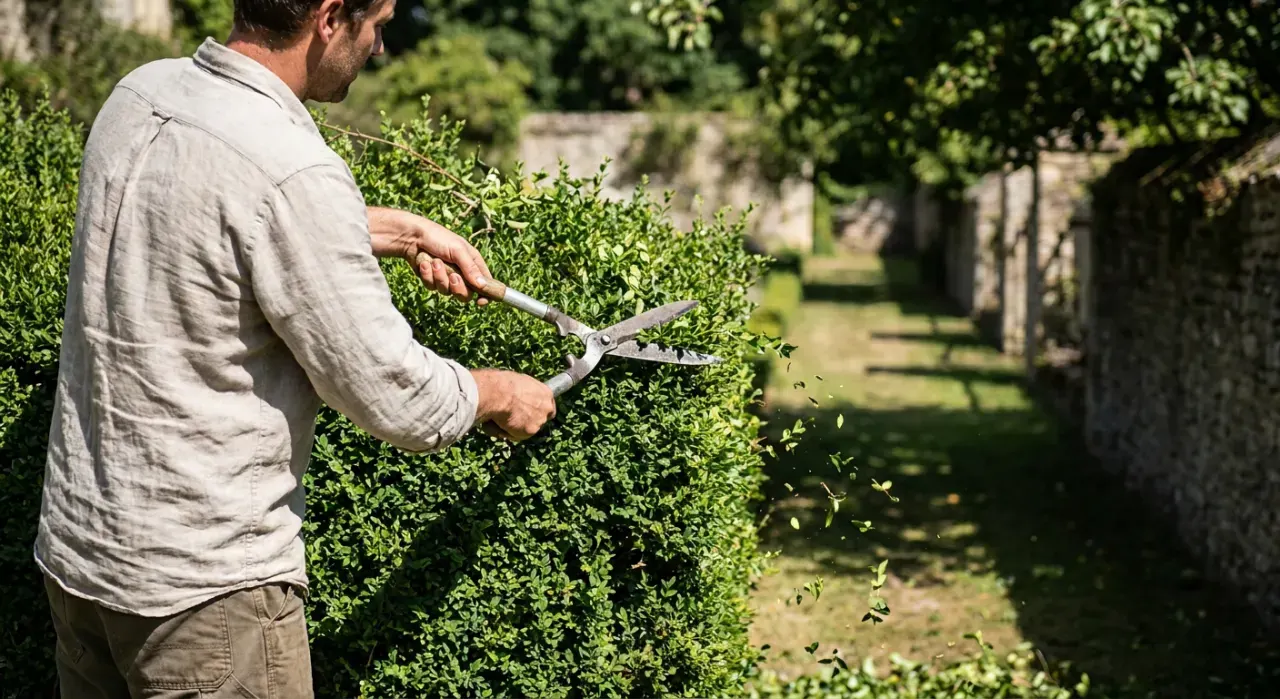
Work through the tree in this order every time. It keeps you from over-cutting because much of the work is done by the time you reach the optional thinning.
- Remove the three Ds first: dead, diseased, and damaged wood. Cut back to healthy wood. This alone improves most trees.
- Remove suckers and watersprouts: the vertical shoots at the base and along limbs. They are vigorous and unproductive.
- Take out crossing and rubbing branches: where two limbs touch, remove the weaker one — rubbing wounds let disease in.
- Remove inward-growing branches: anything heading into the center of the tree rather than outward.
- Thin to open the center to light and air. Aim for a canopy open enough that light reaches all the fruiting wood — the classic guidance is that a bird could fly through it.
- Step back often and reassess before each major cut. You cannot put a branch back.
Cut just outside the branch collar — the slightly swollen ring where a branch meets the trunk or a larger limb. Do not cut flush, which removes the collar the tree needs to heal, and do not leave a long stub, which dies back and rots.
Shaping young vs mature trees
The goal shifts as a tree ages.
- Young trees (first few years): the priority is structure. Establish a strong framework — either an open-center (vase) shape for peaches and plums, or a central-leader (pyramid) shape for apples and pears. Choose well-spaced scaffold branches and remove competitors.
- Mature trees: the priority is maintenance. Light annual thinning to keep the canopy open, remove the three Ds, and manage height for easy harvest.
- Neglected, overgrown trees: renovate over two to three years, never all at once, to avoid a shock flush of watersprouts.
For related shaping technique on woody plants generally, how to prune shrubs covers the same principles applied to bushes.
How much to remove
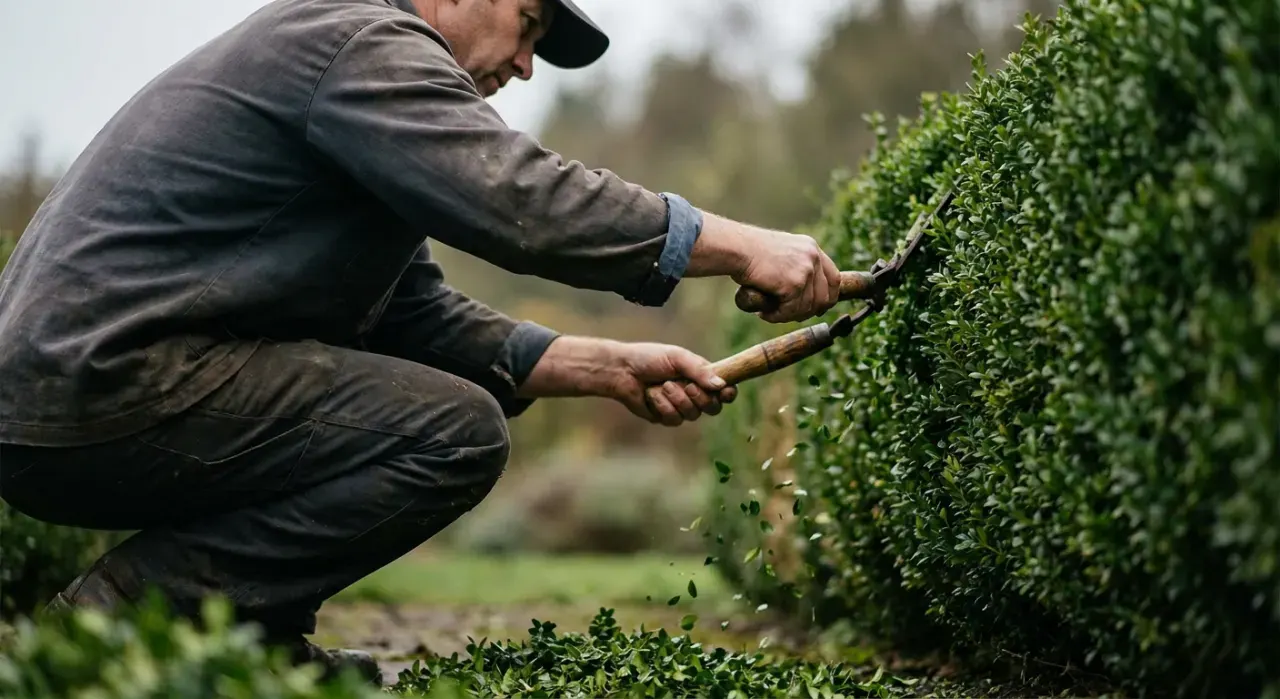
The most damaging mistake is over-pruning. It stresses the tree and provokes a mass of vigorous, fruitless watersprouts as the tree tries to rebalance.
- Cap it at 20 to 25 percent of the canopy per year.
- Prefer light annual pruning to occasional heavy cutting — it keeps the tree in shape with far less stress.
- Do not seal the cuts. Modern practice leaves clean cuts open to heal naturally; sealants trap moisture and pathogens.
Common fruit-tree pruning mistakes
| Mistake | Result | Fix |
|---|---|---|
| Pruning too much at once | Watersprouts, stress, less fruit | Cap at a quarter of the canopy per year |
| Flush cuts or long stubs | Poor healing, rot, disease entry | Cut just outside the branch collar |
| Too many heading cuts | Dense, weak, twiggy regrowth | Favor thinning cuts |
| Pruning cherries in winter | Silver leaf and canker infection | Prune them in late summer |
| Dull or dirty tools | Torn wounds, spread disease | Sharpen and sanitize blades |
Pruning a fruit tree well is really just a sequence: cut out what is dead or crossing, open the center to light, and take a little each year rather than a lot at once. Do that with sharp, clean tools at the right time and your trees will reward you with better fruit and a longer life. For more on avoiding the classic errors, see pruning mistakes, and browse the full pruning, trimming and hedges hub for the right tool for every cut.