 Garden

Affiliate Disclosure
Some links on this page are affiliate links. As an Amazon Associate, we earn from qualifying purchases — at no extra cost to you. We do not buy, test, or physically handle the products we cover; our rankings come from aggregated owner reviews, ratings and expert consensus. Commissions never change our verdicts. How we rank · full disclosure.
The short answer: a heading cut shortens a branch by cutting it back to a bud or side shoot, which stimulates dense, bushy regrowth just below the cut — it makes a plant fuller and more compact. A thinning cut removes an entire branch back to its origin, leaving no stub, which opens the plant to light and air without triggering that burst of regrowth. In short, heading builds density and controls size, while thinning reduces density and shapes structure. Good pruning uses both, and knowing which is which is the foundation of every pruning decision.
Get these two cuts straight and the rest of pruning follows. We do not prune test plants; our tool rankings come from aggregated owner reviews and expert consensus, described in how we rank. The full technique guide is at the pruning and hedges hub.
Heading vs thinning at a glance
The two cuts produce opposite responses from the plant, which is why they serve opposite goals. Extension pruning guides teach them as the two fundamental cut types.
| Heading cut | Thinning cut | |
|---|---|---|
| What you cut | Part of a branch, back to a bud or side shoot | A whole branch, back to its origin |
| Leaves a stub? | Yes, a shortened branch | No, cut flush at the origin |
| Plant’s response | Dense regrowth below the cut | Little regrowth; opens the canopy |
| Effect on size | Keeps it compact and bushy | Reduces density, keeps natural form |
| Best for | Hedges, compact shrubs, branching | Airflow, light, structure, crossing wood |
When should you use a heading cut?
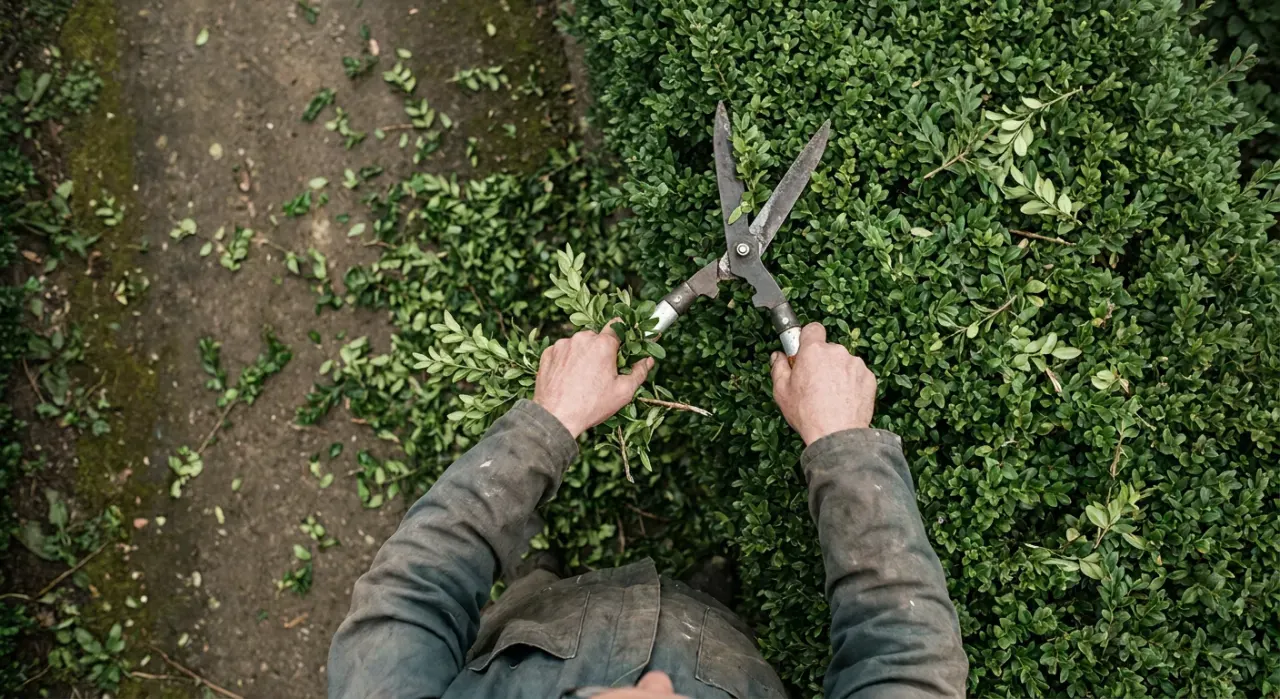
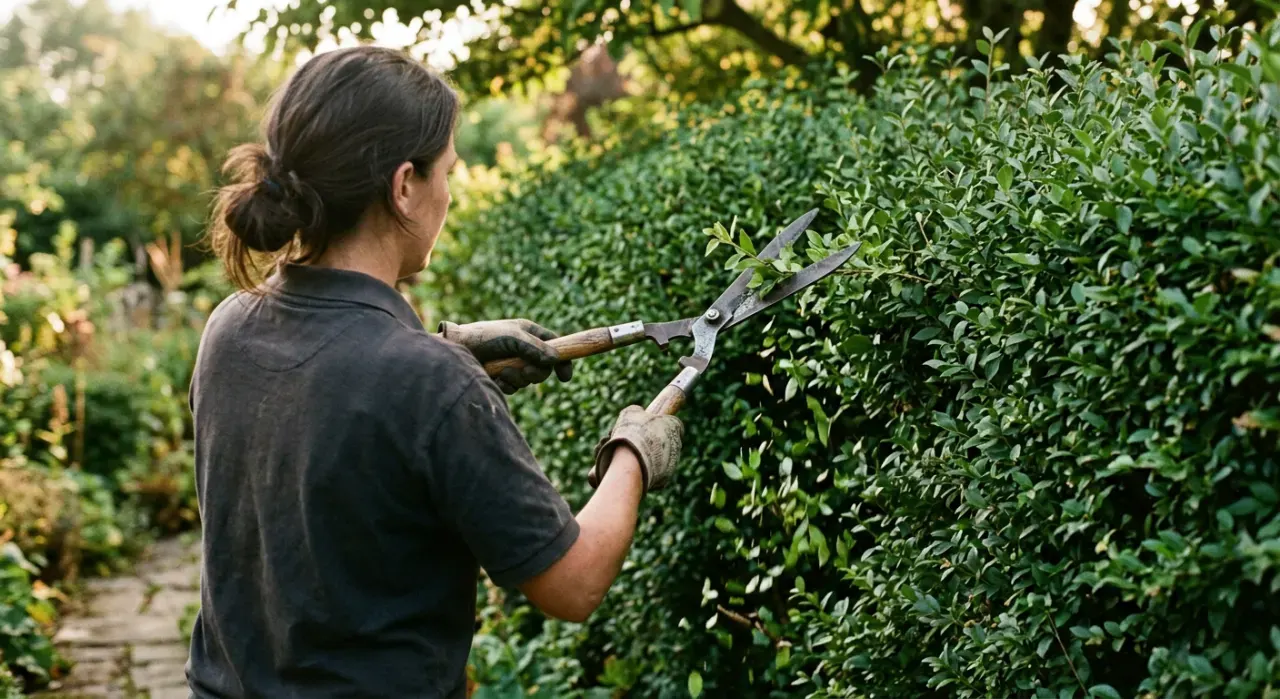
Reach for heading when you want more density or a smaller plant. Cutting a shoot back to a bud releases the buds below it to grow, so the branch responds with several new shoots near the cut, thickening the plant. This is exactly how a formal hedge is kept dense and flat-faced, how a leggy shrub is encouraged to bush out, and how a young tree is prompted to branch where you want it. Point the cut to a bud facing the direction you want new growth to go. The limitation is that relying only on heading — as in shearing a shrub the same way every year — builds a dense outer shell that starves the interior of light, a mistake covered in common pruning mistakes. Hedge shaping technique is in how to trim a hedge.
When should you use a thinning cut?
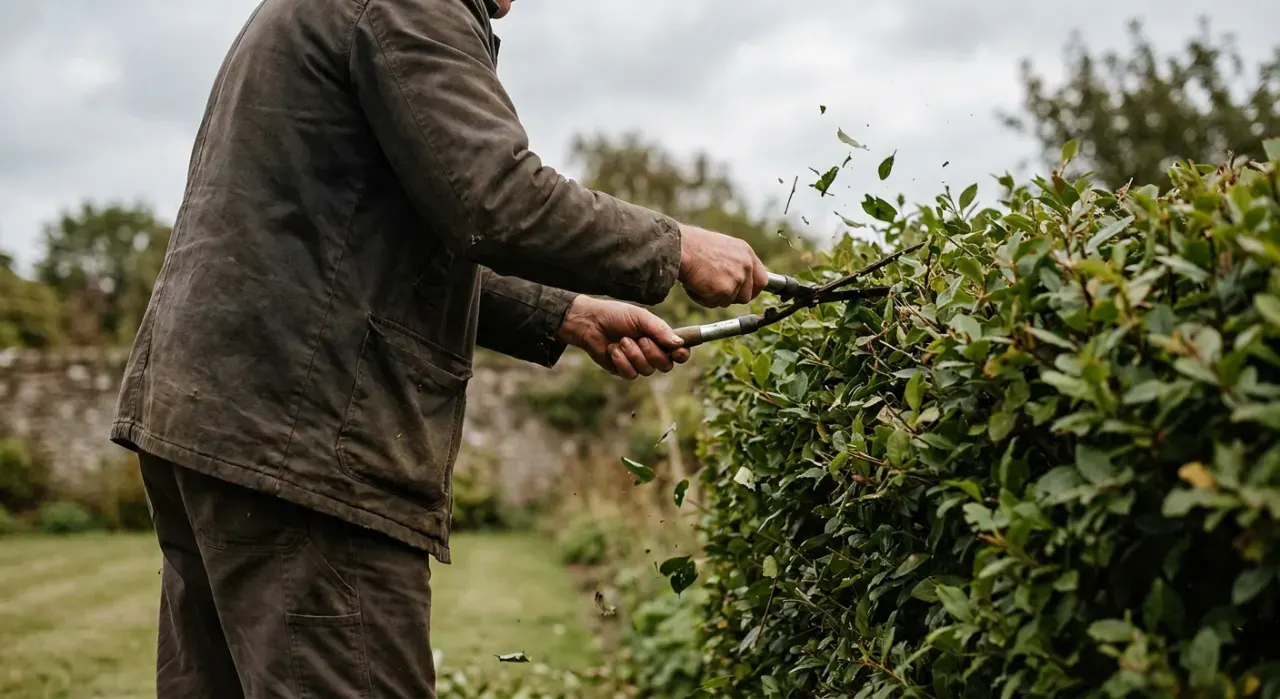
Reach for thinning when a plant is crowded, shaded inside, or losing its natural shape. Removing a whole branch back to the main stem or a larger limb opens the canopy so light and air reach the interior, which reduces disease pressure and improves flowering and fruiting, and it does so without provoking a flush of new shoots — the plant simply grows more calmly with fewer, better-placed branches. Thinning is the cut for taking out crossing, rubbing, weak or inward-growing branches, and for reducing a plant's bulk while keeping it looking natural rather than sheared. It is the backbone of pruning shrubs and small trees, as in how to prune shrubs.
How do you use both cuts together?
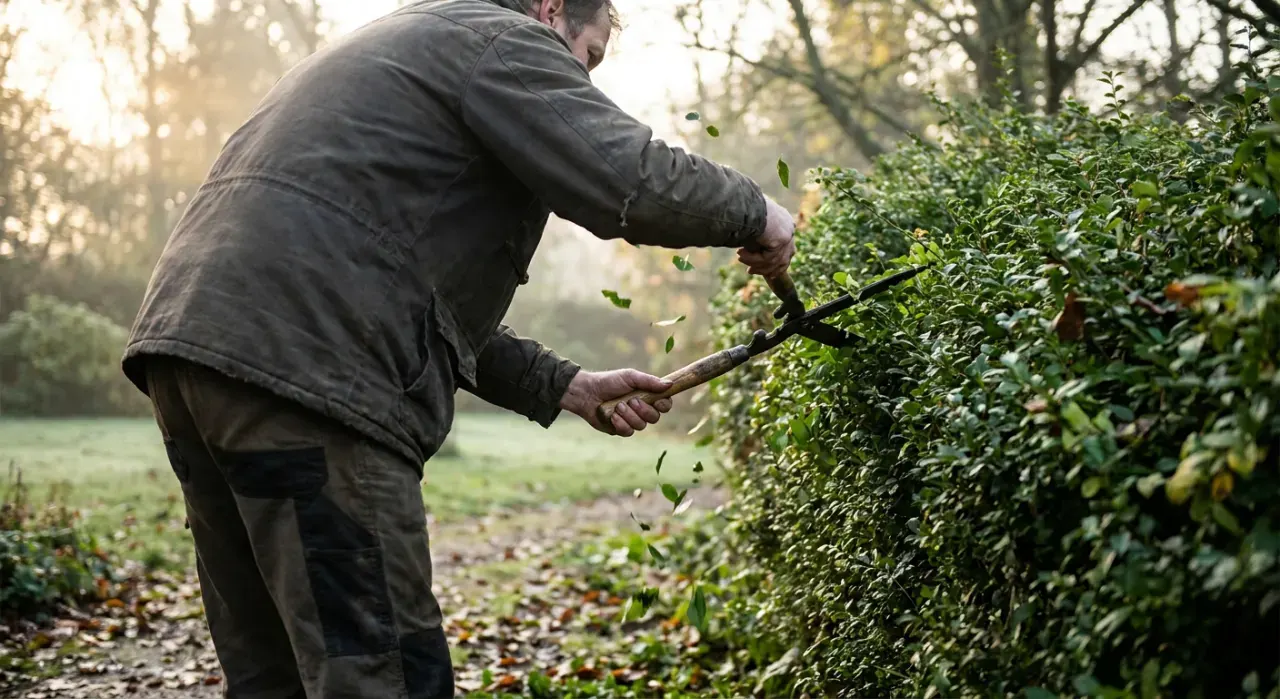
Skilled pruning almost always combines them in sequence. Start with thinning cuts to establish good structure — remove dead, crossing and crowded branches so the plant is open and well-lit — then use selective heading cuts to control the size and encourage density where you want it. On a shrub that has been sheared into a dense, bare-interior ball, the fix is to thin out some of the outer growth so light reaches inside, then head the remaining branches to rebuild a fuller, healthier form over a season or two. This heading-versus-thinning logic also explains why some pruning stimulates vigorous growth and some slows it, which is central to timing fruit trees in what month to prune fruit trees.
Remember it simply: head to build density, thin to open up. Related questions: how far back to cut a boxwood, when to prune hydrangeas, and the right tools in best loppers and best pruning saws.