 Garden
Affiliate Disclosure
Some links on this page are affiliate links. As an Amazon Associate, we earn from qualifying purchases — at no extra cost to you. We do not buy, test, or physically handle the products we cover; our rankings come from aggregated owner reviews, ratings and expert consensus. Commissions never change our verdicts. How we rank · full disclosure.
The short answer: a self-watering pot keeps the lower medium permanently damp, so it suits plants that want even moisture and quietly kills the ones that need to dry out. Plant tomatoes, peppers, cucumbers, lettuce, celery, basil, mint, parsley, peace lily, pothos, ferns and coleus. Keep out rosemary, thyme, oregano, sage, lavender, succulents, cacti, snake plant, ZZ plant and orchids — constant moisture rots them. That single split decides whether a reservoir pot is the best container you own or the one that keeps killing things.
The rest of this page explains why the split falls where it does, which is what tells you where a plant not on either list belongs.
How a Reservoir Changes the Soil
A self-watering pot is more properly called a sub-irrigated planter. Water sits in a sealed chamber under the growing medium, separated from the root ball by a platform, aeration screen or false floor. A wick — either a fabric strip, a purpose-made column, or a narrow plug of medium dropped through the screen — dips into that water, and capillary action pulls it upward through the fine pores of the mix, the same mechanism NC State Extension describes for self-watering containers drawing from a bottom reservoir without waterlogging the mix. The plant does not get watered on a schedule; the medium is continuously recharged from below at roughly the rate the plant and the surface remove it.
The consequence is a permanent moisture gradient. The bottom third of the pot stays close to saturation all the time, the middle stays evenly damp, and only the top inch or two ever dries. That gradient is the whole story. Roots in the lower zone live in medium with very little air in it, and how a plant copes with that is precisely what determines whether it thrives.
Plants from wet ground — wetland margins, jungle floors, irrigated vegetable beds — are built for it. Plants from dry, sharply drained ground are not. Mediterranean subshrubs like rosemary, thyme and lavender, and stem-succulents like cacti and sansevieria, evolved on thin soil that drains within hours; their roots have no tolerance for standing water and are highly susceptible to the water-mold pathogens (Pythium and Phytophthora) that flourish in permanently wet, oxygen-poor medium. In a reservoir pot they do not dramatically collapse. They sulk, drop needles or lower leaves, and rot slowly from the base while looking, for weeks, like they are merely unhappy.
The Plants That Genuinely Thrive
Grouped by what they are, because the categories behave differently in a reservoir pot.
| Plant | Why a reservoir suits it | Depth of medium |
|---|---|---|
| Tomatoes | Very heavy drinkers whose fruit splits and whose blossom-end rot risk climbs when soil moisture swings; even moisture steadies calcium uptake | 12 in. or more |
| Peppers and chilies | Drop flowers under water stress; steady moisture supports continuous fruit set | 10–12 in. |
| Cucumbers and summer squash | Fast, thirsty, large-leaved; wilt within hours of drying and turn bitter under stress | 12 in. |
| Lettuce and salad greens | Shallow-rooted and quick to bolt and turn bitter when dry; stay tender on even water | 6–8 in. |
| Celery and celeriac | Marsh-origin crops that are genuinely difficult to keep wet enough in a normal pot | 10 in. |
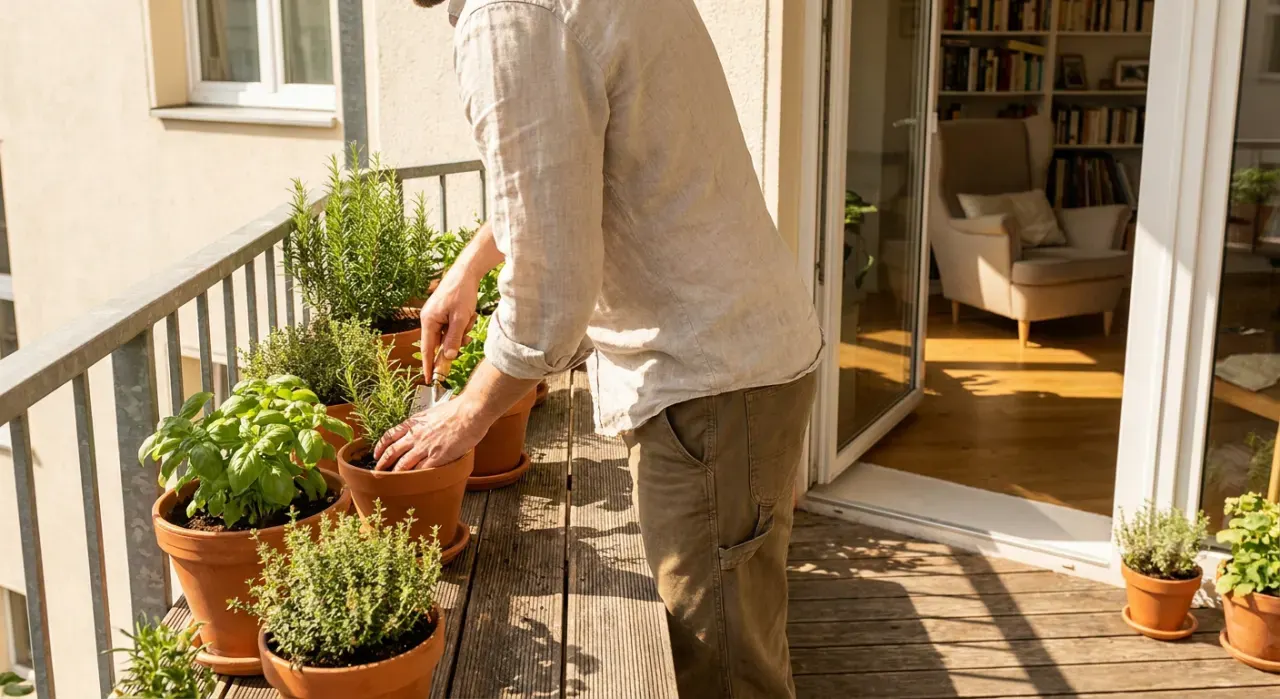
| Basil, mint, parsley, cilantro, chives | Soft-stemmed herbs that wilt and toughen the moment the medium dries | 6–10 in. |
| Peace lily | Wetland plant that dramatically collapses when dry; among the most reliable sub-irrigation subjects | 8 in. |
| Pothos, philodendron, spider plant | Forgiving tropicals that put on noticeably more growth with uninterrupted moisture | 6–8 in. |
| Ferns, calathea, fittonia | Humid-forest plants that demand a dampness hand-watering almost never sustains | 6–8 in. |
| African violet | The original wick-watering plant; bottom feeding also keeps water off the leaves | 4–6 in. |
| Coleus and impatiens | Thirsty annual foliage and flowers that wilt fast and scorch at the leaf edge when dry | 8 in. |
If you want a single plant to demonstrate the difference, grow basil or a peace lily. Both punish inconsistent watering visibly, and both look transformed within a fortnight of going onto a reservoir. As a general depth guide, University of Wisconsin Extension recommends at least a five-gallon container, 12 to 18 inches deep, for tomatoes, peppers and similar heavy-feeding crops.
The Plants to Keep Out
This list matters more than the first one, because these are the plants people put in a reservoir pot expecting an upgrade and then lose.
| Keep out | Why it fails | Grow it in this instead |
|---|---|---|
| Rosemary, lavender, thyme, sage, oregano | Mediterranean subshrubs adapted to thin, fast-draining ground; roots rot in permanently wet medium | Unglazed terracotta, gritty mix, dry between waterings |
| Succulents and cacti | Store their own water; constant moisture rots stems and roots within weeks | Free-draining pot, cactus mix |
| Snake plant and ZZ plant | Rhizomes and tubers that need to dry out fully; the two most common reservoir casualties indoors | Conventional pot, water only when dry |
| Orchids and other epiphytes | Aerial roots need air around them, not medium — a wet medium suffocates them | Bark mix, slotted orchid pot |
| Deep-rooted crops (carrots, parsnips) | Not a moisture problem but a depth one; taproots hit the reservoir platform and fork | Deep conventional pot or grow bag |
The workable rule: read the care label. If it says to let the soil dry between waterings, the plant does not belong in a reservoir pot, whatever else the label promises.
Where the Advice Is Genuinely Contested
Two claims get repeated with more confidence than the evidence supports, and it is worth flagging both.
Succulents in semi-hydroponics. A vocal group of growers do keep succulents and even snake plants in reservoir systems successfully — but almost always in an inert, coarse medium such as expanded clay pellets or pumice, with a small air gap, rather than in peat-based potting mix. That is a different system with far more air around the roots. It is not evidence that a succulent will do well in a conventional self-watering pot filled with potting mix, and the two situations are routinely conflated online.
Blossom-end rot in tomatoes. Even moisture genuinely helps, because the disorder is a calcium-transport failure and erratic watering is a major contributor. But it is not a cure — high humidity, rapid growth, root damage and heavy nitrogen all play a part, and sub-irrigated tomatoes still get it. Treat a reservoir as one factor removed, not the problem solved.
Getting the Setup Right
Four things separate a reservoir pot that works from one that never seems to.
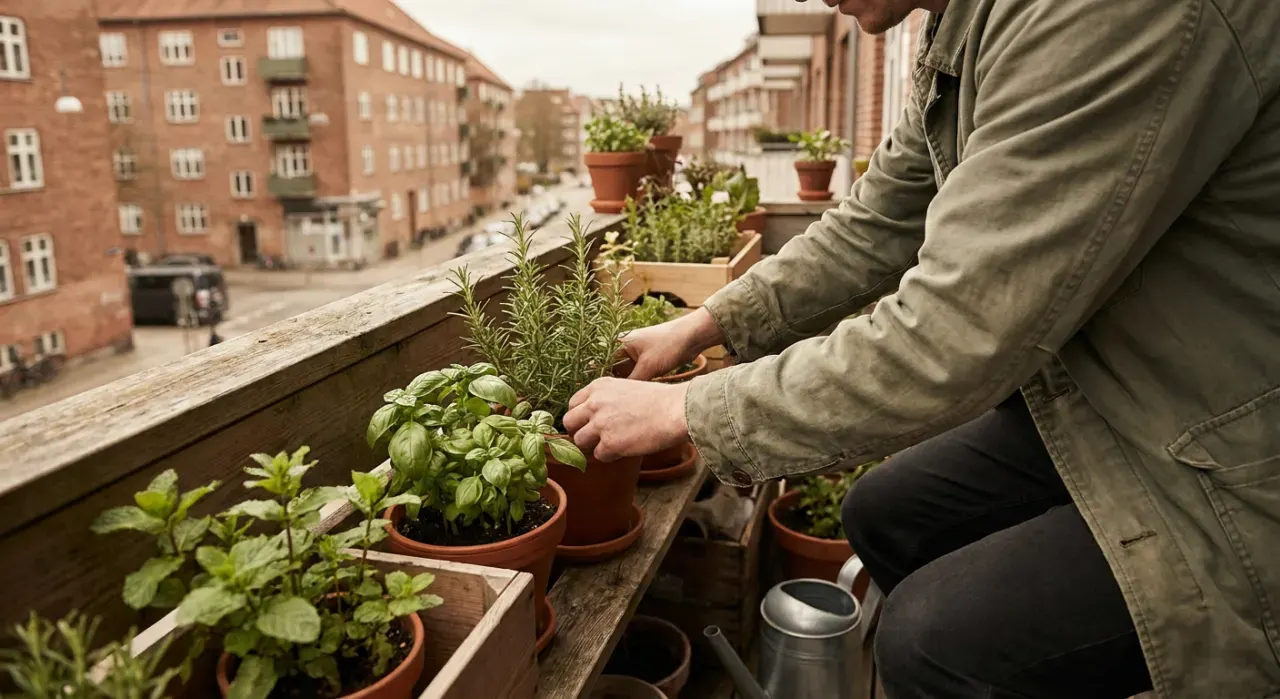
Use a mix that wicks. Fine, peat- or coir-based potting mix with perlite. Garden soil compacts and breaks the capillary path; a chunky bark or orchid mix has pores too large for water to climb. This is the single most common cause of a full reservoir sitting under a wilting plant. Illinois Extension puts it plainly: never use garden soil by itself in a container, since drainage and aeration are so impeded that plants grow poorly or not at all.
Keep the reservoir off the root ball. Water belongs below the platform or screen, contacting the medium only through the wick or wicking column. Fill to the overflow hole and no further. A root ball standing in water is no longer sub-irrigated, and even a wetland plant will drown.
Top-water a new planting for the first week or two. A freshly potted plant has roots that have not yet reached the wicking zone. Water from above until it is growing, then switch to filling the reservoir only.
Feed on the surface, not in the water. Put slow-release granules or a fertilizer band on the medium and let irrigation carry it down. Fertilizer dosed into the reservoir encourages algae, and because a closed system does not leach, salts accumulate. Flush the medium from the top with plain water every couple of months, and more often for anything sensitive.
What to Plant, and What to Plant It In
The pots themselves are covered in a separate roundup — see the best self-watering pots. What you need on this page is the medium that makes wicking possible and the seed for the plants above.
Check price on Amazon → (paid link)
The Growing Media and Seed, Ranked

Best for the fine, peat-based medium a reservoir needs before it can wick at all
- Peat and humus base with perlite — fine enough for capillary rise, open enough to hold air
- Sold for containers of herbs and vegetables, which is exactly this use case
- Contains myco root inoculant; no synthetic nitrogen charge to burn seedlings
- Wets through readily from dry, which matters when you first prime a reservoir
Why buy it: a self-watering pot is only as good as the medium bridging the reservoir to the roots, and a fine peat-and-perlite mix is the standard answer. Garden soil compacts and stops wicking; a chunky bark mix never starts.

Best for peace lily, pothos, ferns, spider plant and other tropicals in a reservoir pot
- Coir-heavy blend that rewets easily rather than going hydrophobic
- Formulated without compost or bark, so it is less prone to fungus gnats
- Fine, even texture that keeps a continuous capillary path to the wick
- Feeds for up to six months, so you are not tempted to dose the reservoir
Why buy it: the tropical houseplants that suit sub-irrigation want a fine, absorbent medium. This one draws water up reliably and rewets after a reservoir has been allowed to run dry.

Best for sowing the moisture-loving crops — tomato, lettuce, cucumber, squash
- Fifteen individually packeted heirloom varieties, sowing instructions on each
- Leans toward the thirsty crops that a reservoir genuinely helps
- Heirloom and open-pollinated, so you can save seed from what does well
- Enough packets to run succession sowings of lettuce through a season
Why buy it: the crops that reward even moisture most — tomatoes, cucumbers, salad greens — are all in here, and sowing them yourself is far cheaper than buying six-packs of transplants.
Quick Comparison
| Product | Best for | Rating | Price | Buy |
|---|---|---|---|---|
| Espoma Organic Potting Soil Mix for Indoor and Outdoor Containers | Best All-Round Mix | — | Check (paid link) | |
| Miracle-Gro Indoor Potting Mix for Houseplants, 6 qt. | Best for Moisture-Loving Houseplants | — | Check (paid link) | |
| Vegetable Garden Seed Vault, 15-Pack Heirloom Non-GMO Collection | Best Seed to Start With | — | Check (paid link) |
How We Rank
We do not buy, grow or physically handle these products. Plant recommendations follow conventional horticultural guidance on moisture preference, root-zone oxygen and container depth, and we say so where that guidance is contested. Product verdicts come from aggregated owner ratings read at volume, weighted toward reviews describing the specific use — whether a mix actually wicked, whether seed germinated. Prices were checked at the time of writing. Full method: how we rank.
Where to Go Next
Once you know what you are planting, choose the container: the best self-watering pots, sized to the depths in the table above. If you are still deciding whether the format suits you at all, how self-watering pots work covers the mechanism in more depth. For herbs specifically — where the split between soft and woody herbs is the whole decision — see the best herbs for self-watering pots. And if your containers hang off a balcony rail rather than standing on the floor, the constraints change completely: the best plants for railing planters.
The Verdict
A self-watering pot is not a better pot. It is a pot with one fixed setting — permanently damp — and it is superb for every plant that wants that and wrong for every plant that does not. Put tomatoes, cucumbers, salad greens, celery, soft herbs, peace lilies, ferns, pothos and coleus in one. Put rosemary, thyme, lavender, succulents, snake plants and orchids in a conventional pot with sharp drainage. Fill it with a fine mix that wicks, keep the water below the root ball, and the hardest, most tedious part of container growing takes care of itself.
Next: the small-space gardening hub · best self-watering pots · best herbs for self-watering pots · watering containers in summer · how we rank.