 Garden

Affiliate Disclosure
Some links on this page are affiliate links. As an Amazon Associate, we earn from qualifying purchases — at no extra cost to you. We do not buy, test, or physically handle the products we cover; our rankings come from aggregated owner reviews, ratings and expert consensus. Commissions never change our verdicts. How we rank · full disclosure.
Pick by crop and by watering time, not by looks. Vertical planters give the most plants per square foot of floor and suit shallow-rooted crops — salad, herbs, strawberries — but dry out fastest. Grow bags are the cheapest, most portable option and the best all-rounder for a single fruiting plant each. Raised beds hold the most soil, need the least watering and grow root crops properly, but they are heavy and largely a ground-level or patio option.
Most small gardens end up using two of the three, and choosing well is mostly about matching soil volume to what a crop needs and to how often you can realistically show up with a watering can.
The Three Formats, Compared
| Vertical planter (5-tier tower) | Fabric grow bag (10 gal) | Raised bed (2 × 4 ft, 12 in.) | |
|---|---|---|---|
| Floor footprint | ~2 sq ft | ~1.5 sq ft | 8 sq ft |
| Total soil volume | 8–12 gal | 10 gal | ~60 gal |
| Planting spaces | 15–20 pockets | 1 large or 4–6 small plants | 8–16 plants |
| Soil per plant | 0.5–0.8 gal | 2–10 gal | 4–8 gal |
| Watering in July | Daily, sometimes twice | Daily | 2–3 times a week |
| Typical cost | $40–90 | $3–8 each | $80–250 plus mix |
| Weight when watered | 80–110 lb | 60–90 lb | 450–600 lb |
| Balcony suitable? | Yes | Yes | Rarely — check the load |
| Portable? | Moderate — unstacks | Excellent — folds flat | No |
| Lifespan | 5–10 yrs | 3–5 yrs | 7–20+ yrs |
| Best crops | Salad, herbs, strawberries, scallions | Tomatoes, peppers, potatoes, squash | Roots, brassicas, mixed planting, perennial herbs |
Vertical Planters: Most Plants Per Square Foot
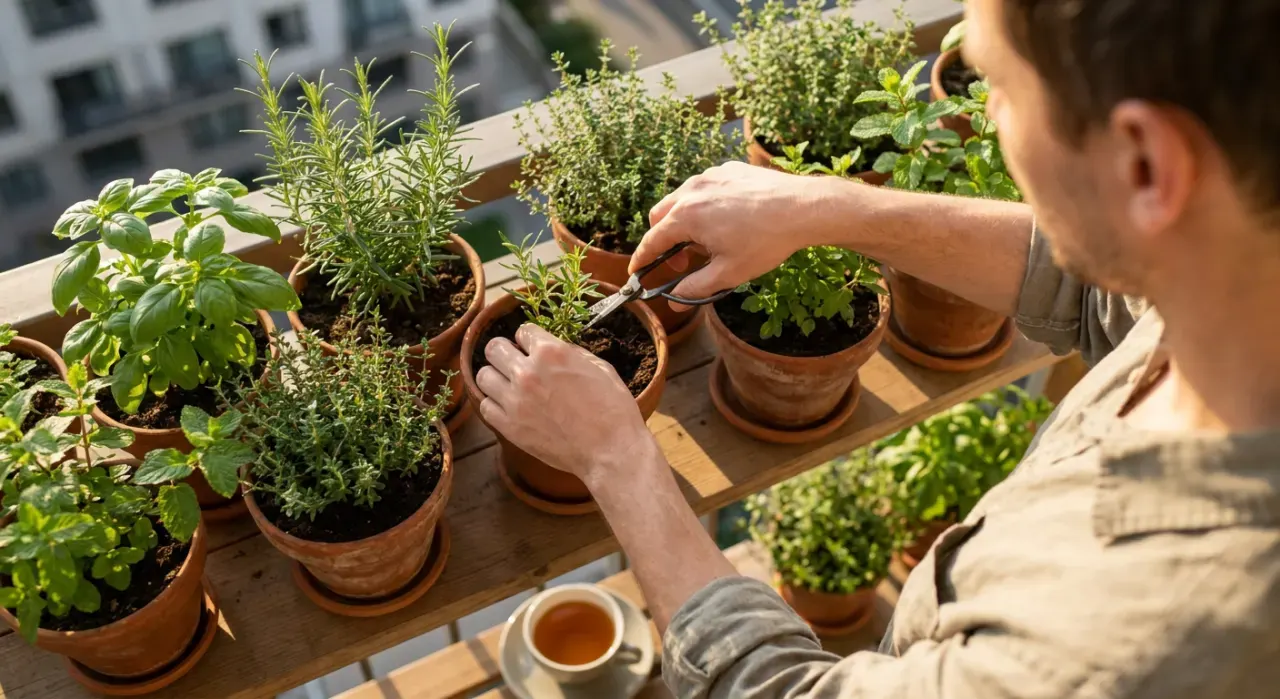
A stacking tower or wall pocket system is the only format that genuinely multiplies a small floor area. Fifteen to twenty planting pockets in two square feet is something no flat container can approach, and for salad and herbs — crops that root in the top 6 inches and get harvested continuously — it is close to ideal. Strawberries are the classic tower crop for the same reason, with the bonus that fruit hanging clear of the soil stays clean and away from slugs.
The catch is water, and it is a big one. A tower exposes far more surface area per gallon of soil than a wide pot does, and it stands up in the wind rather than sheltering behind a rail. Half a gallon of mix per pocket is a very small buffer; miss an afternoon in July and the top tiers are bone dry. Gravity makes it worse by draining the upper pockets into the lower ones, so a tower can be simultaneously parched at the top and waterlogged at the base.
Design is what determines whether that is manageable. Towers with an internal watering column — a perforated tube down the center that distributes water evenly through the stack — behave completely differently from plain stacked pots, and so do systems with an integrated drip line. That distinction is most of what separates the field in our ranked vertical garden planters.
What it will not do: carrots, beets, potatoes, full-size tomatoes, squash, or anything needing more than about 8 inches of root depth. Do not fight this — put those in bags.
Grow Bags: The Best Value in Small-Space Growing
Fabric grow bags are unglamorous and quietly excellent. A 10-gallon bag costs a few dollars, weighs nothing empty, folds flat in a drawer over winter, and grows a tomato as well as a rigid pot twice the price.
The reason they work is air pruning. In a plastic pot, a root that reaches the wall turns and circles, eventually building a dense spiral that strangles the plant. In fabric, the root tip reaches the wall, meets dry air, stops growing, and the plant branches behind it. The result is a fibrous root system with far more absorbing surface, and it shows up as visibly stronger growth in tomatoes, peppers and potatoes.
Potatoes deserve a specific mention: a 15-gallon fabric bag is arguably the best potato container there is, because you can roll the sides down at planting, fill as the plant grows, and then tip the whole thing out at harvest instead of digging.
The trade-off is evaporation. The same breathability that prunes roots also loses water through every square inch of the wall, so expect to water a grow bag noticeably more often than a rigid pot of the same volume — often daily in real summer heat. Two fixes help: size up one step from the rigid-pot recommendation, and stand bags close together so they shade each other's sides. UV also degrades the fabric, so three to five seasons is a realistic life for bags left outdoors year-round.
Raised Beds: The Format That Buys You Time
A raised bed is a fundamentally different proposition because of one number: soil volume. A 2 ft by 4 ft bed at 12 inches deep holds about 60 gallons, which is five to seven times what a tower holds and six times a grow bag. That volume is a reservoir, and it is why a raised bed needs deep watering two or three times a week where the other two formats need it daily.
Depth is the other advantage. Carrots, parsnips, beets and full-size onions want 10 to 12 inches of loose, stone-free soil, and a bed provides it across the whole area rather than one pot at a time. Mixed planting also works properly — a bed can carry salad, a couple of pepper plants and a fringe of herbs in one soil mass, sharing the same watering.
Weight is the constraint, and it decides the balcony question. Sixty gallons of wet mix runs 450 to 600 pounds, concentrated in eight square feet. That is roughly 60 to 75 pounds per square foot, against the 40 to 60 pounds per square foot many residential balconies are designed for. On a ground-level patio, a deck over soil, or a yard, that is irrelevant. On a fourth-floor balcony it is a genuine reason to choose something else — the weight math is laid out in our balcony garden starter guide.
Shallow elevated planters — the waist-height boxes on legs, typically holding 12 to 20 gallons — are the compromise. They are easy on the back, safe on most balconies, and grow everything a 12-inch container would. What they are not is a raised bed; treat them as a long, shallow container.
Choosing: Four Honest Questions
What do you want to grow? Salad, herbs and strawberries — tower. One good tomato, pepper or potato crop — grow bags. Carrots, beets, brassicas or a mixed planting — raised bed or shallow elevated planter.
How often can you water? Every day without fail — any of the three. Most days — grow bags or a tower with an internal watering column. A few times a week — raised bed, elevated planter or reservoir containers, and nothing else. This question decides more gardens than any other, and reservoir pots exist precisely for it; the wicking designs that work are ranked in best self-watering container pots.
Do you rent? Towers and grow bags move out with you; a built raised bed does not. Nothing in either format needs a fixing, which is why both feature heavily in renter-friendly garden setups.
What is the floor actually like? Weight, wind and drainage decide more than aesthetics. A tall tower on an exposed tenth-floor balcony needs securing; a raised bed on any elevated structure needs the load checked first.
The Combination Most Small Gardens End Up With
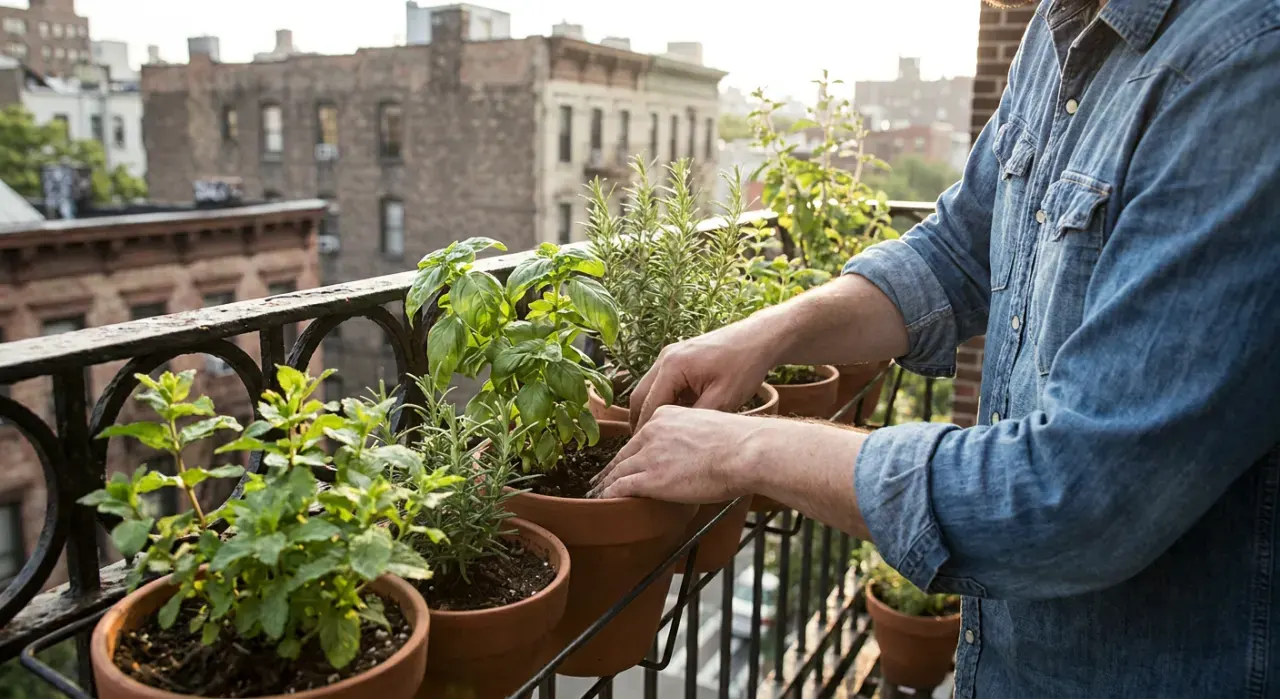
After a season or two, productive small gardens tend to converge on the same layout: one tower or wall system against the sunniest wall growing salad, herbs and strawberries in constant rotation; three to five grow bags or large pots on the floor carrying the fruiting crops that need real soil volume; and shallow troughs on the railing for quick crops like radishes and scallions.
That combination works because each format is doing the job it is actually good at, and because the watering load is staggered — the bags and bed can wait a day, the tower cannot. Whatever the mix, container volume is what sets your yield ceiling, and the crop-by-crop minimums are in container sizes by crop.
Where to Go Next
Confirm your light first with how much sun a balcony really gets, pick crops that reward pot culture in vegetables that grow well in containers, and get the summer routine right with watering containers in summer heat. Everything sits under our vertical and small-space gardening hub. We never buy or physically handle the products we rank — the method is on how we rank.