 Garden

Affiliate Disclosure
Some links on this page are affiliate links. As an Amazon Associate, we earn from qualifying purchases — at no extra cost to you. We do not buy, test, or physically handle the products we cover; our rankings come from aggregated owner reviews, ratings and expert consensus. Commissions never change our verdicts. How we rank · full disclosure.
A standard 16-pound bag of briquettes lasts about three to four grilling sessions on a 22-inch kettle. The bag holds roughly 280 briquettes at 17 to 18 per pound, a full chimney takes 80 to 100, and one chimney is a normal direct-grilling load. A 20-pound bag gives four to five sessions. Long low-and-slow cooking is a different equation: a single six- to twelve-hour smoke at 225 to 250°F typically consumes most of a 16-pound bag on its own, even though it burns slowly per hour.
How many chimneys and sessions per bag?
| Bag size | Approx. briquettes | Full chimneys | Direct-grilling sessions |
|---|---|---|---|
| 8 lb | ~140 | 1.5 | 1–2 |
| 16 lb | ~280 | 3 | 3–4 |
| 20 lb | ~350 | 3.5–4 | 4–5 |
| 2 × 20 lb twin pack | ~700 | 7–8 | 8–10 |
| Lump, 20 lb | Not countable | ~3 | 3–4 |
Sessions assume a 22-inch kettle and roughly an hour of cooking. A smaller 18-inch kettle uses closer to 50 to 60 briquettes per load and stretches a bag by half again; a large barrel grill can swallow a chimney and a half per cook. Grill shape is a genuine cost factor over a season, which is part of the calculus in kettle versus barrel charcoal grills.
How do you get more sessions from the same bag?
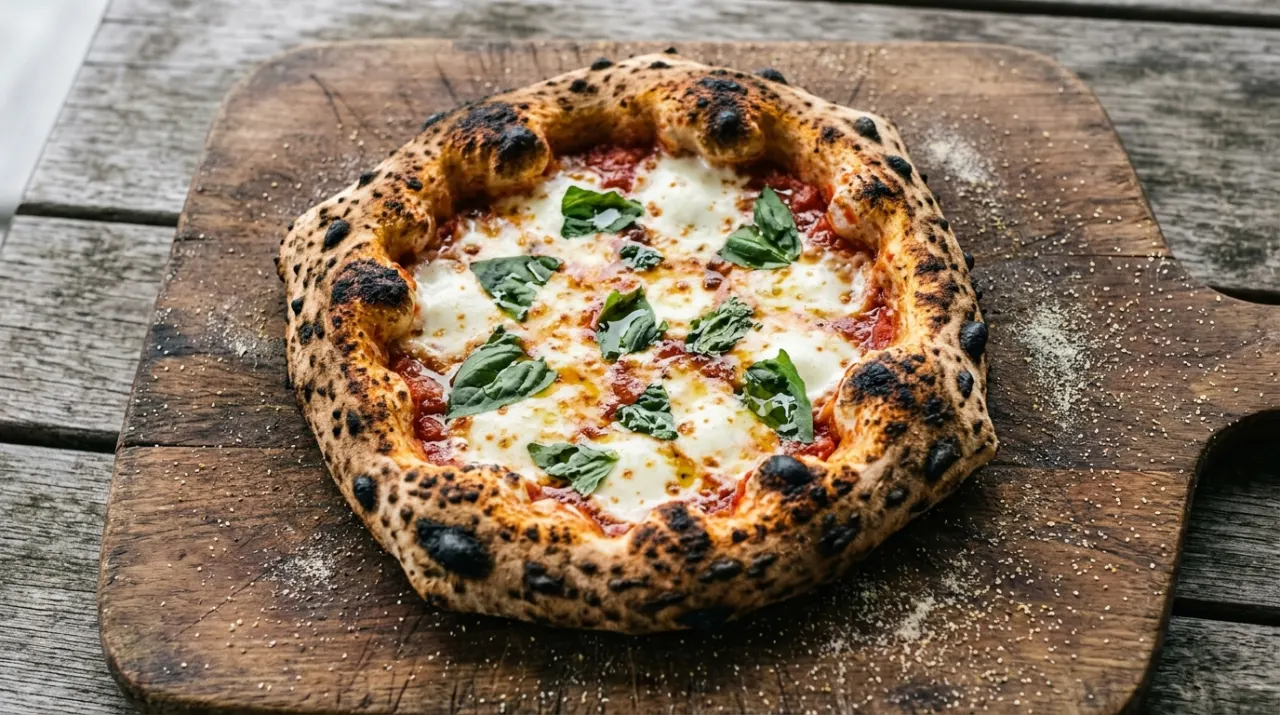
Three habits, in order of payoff. First, shut every vent at the end of the cook and leave the lid on: starved of oxygen the remaining coals extinguish in about 20 minutes and are perfectly usable next time, which typically recovers 20 to 30 percent of a load. Second, use a two-zone setup rather than a full bed — banking coals to one side means lighting fewer of them for most cooking. Third, size the load to the food; a chimney is right for a full grate of burgers, but half a chimney handles two steaks. Vent discipline is also what controls burn rate mid-cook, covered in how long a charcoal grill stays hot.
Does lump charcoal last as long as briquettes?
Not per pound. Lump is irregular and packs with more air gaps, so a bag fills a chimney fewer times and each load burns hotter and faster — typically 45 to 60 minutes at peak against 60 minutes or more for briquettes. Lump wins on peak searing temperature, ash volume and the absence of binders; briquettes win on cost per hour, consistency and duration. If cost per cook is the metric, briquettes are the clear choice. The full comparison is in lump charcoal versus briquettes.
How should you store an open bag?
Sealed, off the ground, and out of humid air. Charcoal is porous and pulls moisture from the atmosphere, and a damp bed lights reluctantly, never ashes over properly and often dies — one of the recurring causes in why a charcoal grill will not stay lit. A lidded plastic tote or a sealed metal can in a shed solves it for a few dollars. Keep charcoal away from ignition sources and never store it indoors in living space. Plain briquettes and lump keep indefinitely when dry; instant-light briquettes lose their accelerant over a year or two and should be bought in quantities you will actually use.
What does a cookout actually cost in charcoal?
At typical retail, a 16-pound bag divided across three to four sessions works out to a few dollars of fuel per evening — cheaper than most people assume and comparable to propane on a per-cook basis, though propane wins on convenience. Buying twin packs outside of grilling season is reliably the lowest cost per pound, provided you can store it dry. If you are weighing the two fuels as a system rather than per cook, the running-cost side is covered in how long a propane tank lasts on a gas grill.
We do not buy, test or physically handle any product on this site — figures here come from published bag weights and briquette counts, manufacturer guidance and aggregated owner reports. See how we rank, or browse our best charcoal grill picks.
More from this hub: Outdoor Living & Grills · Charcoal burn-in time · Chimney timing · How we rank