 Garden
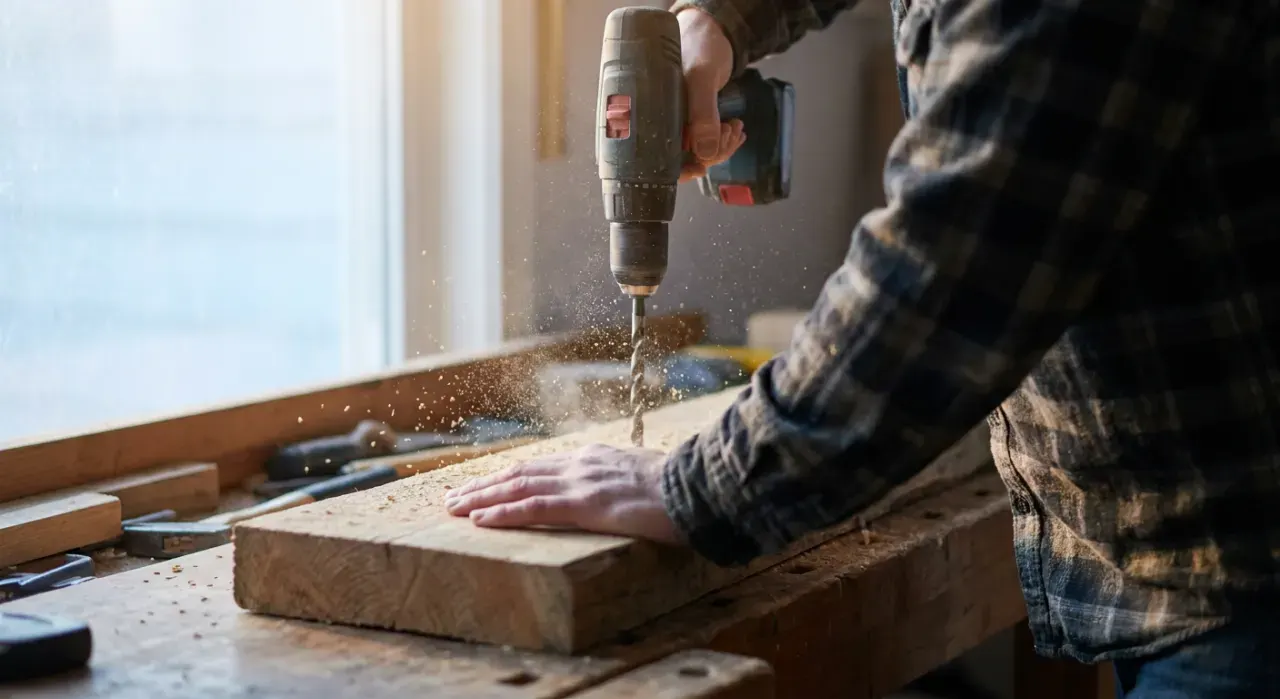
Affiliate Disclosure
Some links on this page are affiliate links. As an Amazon Associate, we earn from qualifying purchases — at no extra cost to you. We do not buy, test, or physically handle the products we cover; our rankings come from aggregated owner reviews, ratings and expert consensus. Commissions never change our verdicts. How we rank · full disclosure.
Yes, an impact driver can drill holes, but only with 1/4 inch hex-shank bits and only for rough or pilot work. The collet will not accept a round-shank twist bit, there is no clutch to stop the tool, and the rotary hammering makes holes wander and burr — especially in metal. For pilot holes in framing lumber, deck boards and plywood it is genuinely useful and saves a tool swap. For clean holes, large diameters, masonry or anything visible, use a drill. Neither tool fully replaces the other.
When is it actually fine to drill with an impact driver?
It is fine whenever hole quality does not matter and the material is wood. Pilot holes for deck screws, clearance holes in framing, rough holes in plywood sheathing, drilling out a stripped screw, running self-feed bits for cable in a stud bay — an impact driver handles all of these without complaint, and the extra torque means it does not stall the way a compact drill can in dense lumber. The practical rule owners settle on is simple: if you would be happy with the hole in a subfloor you will never see again, the impact driver is fine.

What are the real limitations?
Four limits matter, and all of them come from the design rather than the power.
| Limitation | What it means in practice |
|---|---|
| 1/4 in hex collet | Round-shank twist bits, hole saw arbors and most masonry bits will not fit |
| No mechanical clutch | Nothing stops the tool when the bit breaks through or the fastener seats |
| Rotational hammering | Holes wander at the start and finish oversized or out of round |
| High blow rate | Fatigues non-impact bits; snapped shanks are the common failure |
| Uncontrolled speed under load | Poor for metal, plastic and anything needing a slow, steady cut |
The clutch point is the one that surprises people. A drill-driver set to clutch position 6 will slip and stop the moment a screw seats; an impact driver simply keeps hammering until you release the trigger. That is exactly what you want in a lag bolt and exactly what ruins a cabinet hinge.

What bits do you need to drill with one?
Impact-rated hex-shank bits, and nothing else. Look for packaging marked impact ready, impact rated or torsion — the manufacturers use these terms specifically to indicate a shank engineered to flex under shock instead of shattering. Useful hex-shank options that genuinely exist in good quality include twist bits up to about 1/2 inch, spade bits up to 1-1/2 inch, self-feed auger bits for electrical work, and short step bits for thin sheet metal. Anything larger, and any hole saw, wants a drill with a real chuck. Our guide to sharpening drill bits covers keeping the ones you have cutting cleanly.
Would a drill do the job better?
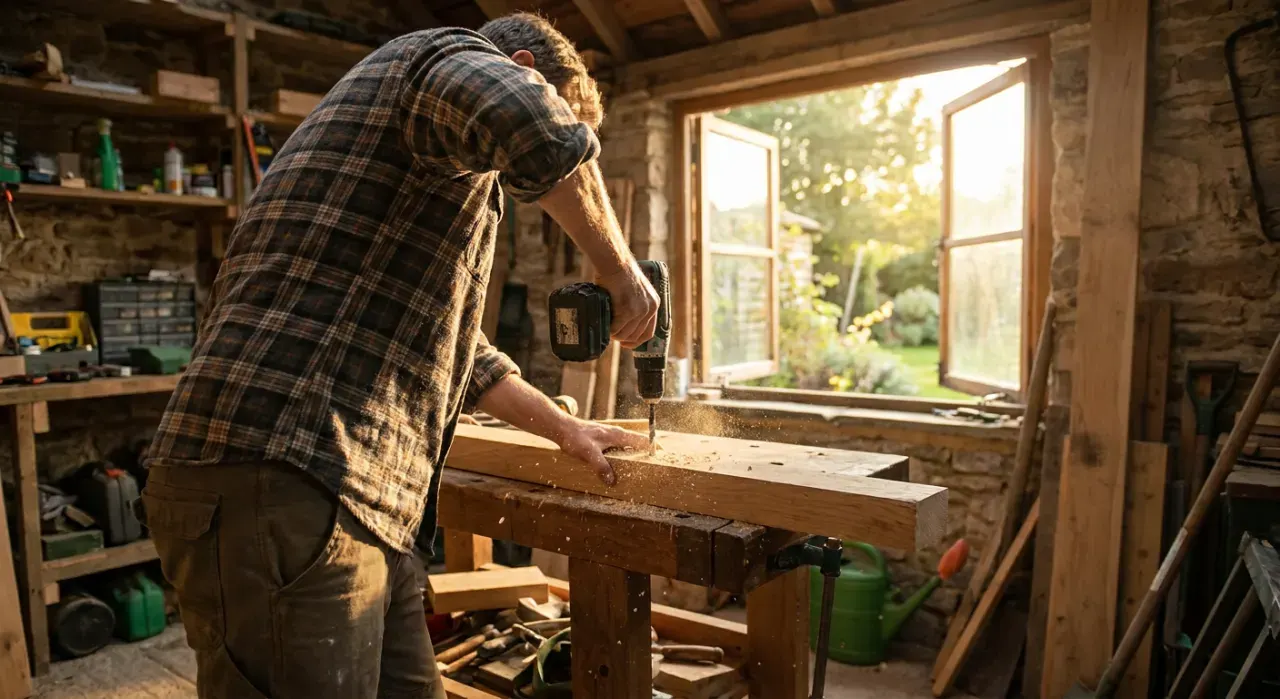
For drilling, almost always. A drill offers a keyless chuck that grips any shank, a variable low speed range for metal and plastic, a clutch, and on hammer-drill models a masonry mode. What it lacks is the sustained torque to sink long fasteners, which is precisely why the two tools are sold as a pair. If you own only one and you mainly drive screws, keep the impact driver and accept rough holes. If you own only one and you mainly build furniture, drill holes and install hardware, the drill is the correct single tool. The full split is in impact driver vs drill driver and the difference between a drill and an impact driver.
Where to go next
If you are deciding what to buy, our ranked best cordless drills and best impact drivers compare current models on aggregated owner ratings and recurring complaints. A wider view of what an impact driver is for is on what an impact driver is used for, and everything sits under the power tools and workshop hub.
We never buy or physically handle the tools we rank — our recommendations come from aggregated owner reviews and expert consensus, and the method is on how we rank.