 Garden

Affiliate Disclosure
Some links on this page are affiliate links. As an Amazon Associate, we earn from qualifying purchases — at no extra cost to you. We do not buy, test, or physically handle the products we cover; our rankings come from aggregated owner reviews, ratings and expert consensus. Commissions never change our verdicts. How we rank · full disclosure.
The short answer: plant the soft, green, fast-growing herbs — basil, mint, parsley, cilantro, chives, dill, tarragon and lemon balm. Keep the woody, gray-green Mediterranean herbs out — rosemary, thyme, sage, oregano, marjoram and lavender — because the lower medium in a reservoir pot never dries and those roots rot in it. The tell is the leaf: soft and green means it wants a reservoir, small and leathery or needle-like means it wants terracotta and neglect.
That one distinction settles almost every herb question about self-watering pots. Below is why it holds, herb by herb, and what to do if you have already planted the wrong one.
Why Herbs Split So Cleanly Into Two Camps
Culinary herbs come from two very different places, and the split runs straight down the middle of a typical herb rack.
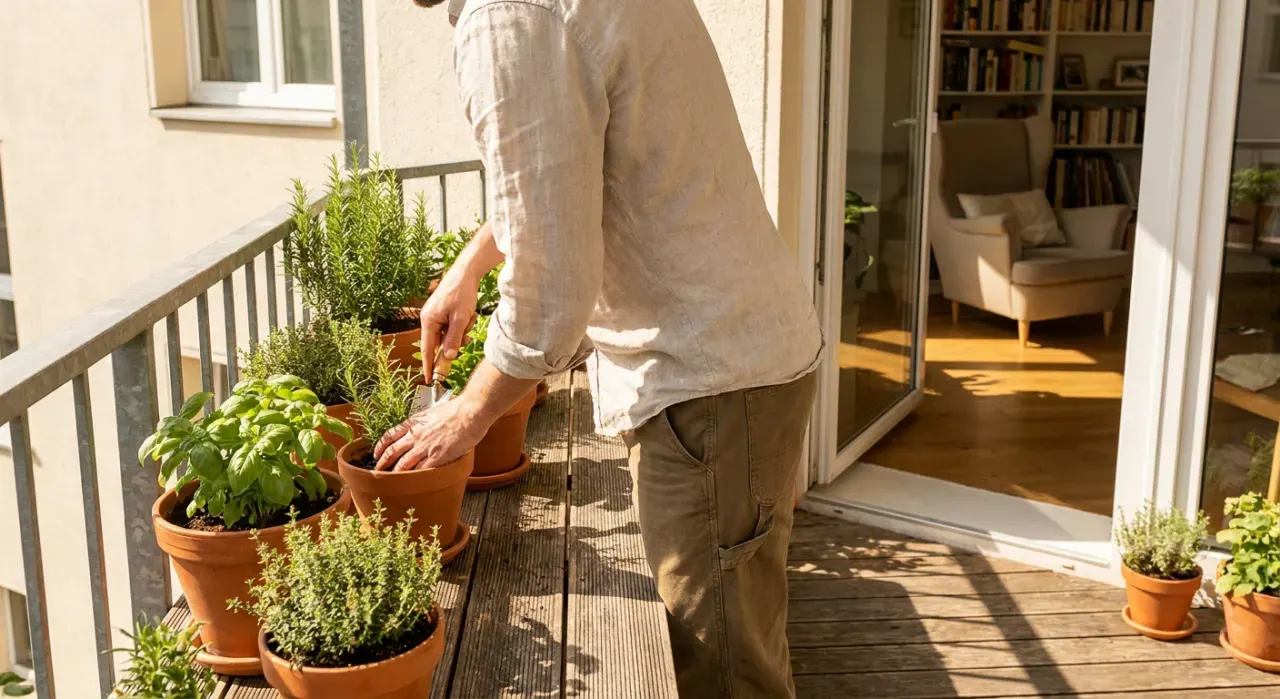
The soft herbs — basil, parsley, cilantro, dill, chives, mint — are fast-growing annuals and moisture-tolerant perennials from richer, damper ground. They have thin leaves with a large surface area, they transpire heavily, and they have no drought strategy beyond wilting. When their medium dries, growth stalls, leaves toughen, and the annuals among them respond by bolting to seed, which ends the harvest. Uninterrupted moisture is exactly what they want, and a reservoir supplies it far more evenly than a watering can ever does.
The woody herbs — rosemary, thyme, sage, oregano, marjoram, lavender — are Mediterranean subshrubs from thin, stony, fast-draining hillsides. Their small, leathery or needle-like leaves and gray cast are drought adaptations: they are built to survive weeks without rain, and their roots expect medium that drains within hours. Self-watering containers work by drawing water up from a bottom reservoir through capillary action, as NC State Extension describes it, and in a sub-irrigated pot the bottom third of the medium stays close to saturation permanently, which means low oxygen at the roots and ideal conditions for the Pythium and Phytophthora water molds behind most container root rot. These herbs rarely fail fast enough for the cause to be obvious. They dull, they die back from the base, and by the time the plant is clearly going, the roots have been rotting for a month.
The Herbs That Thrive on a Reservoir
| Herb | Why steady moisture helps | How to grow it |
|---|---|---|
| Basil | The thirstiest common herb; wilts within hours of drying and toughens permanently | Sow warm, pinch above a leaf pair from 6 in. tall, never let it flower |
| Mint | A damp-ground runner that is genuinely difficult to overwater | Its own pot, always — runners colonize a shared box in one season |
| Parsley | Slow to establish, then heavy-drinking; stays tender and dark on even water | Soak seed overnight; expect two to three weeks to germinate |
| Cilantro | Bolts at the first sign of stress; steady moisture and cool roots delay it | Sow every three weeks — it bolts regardless, so succession is the answer |
| Chives | Shallow-rooted perennial that browns at the tips when dry | Nearly indestructible; divide the clump every couple of years |
| Dill | Wants consistent moisture while young and bolts under drought stress | Give it depth for the taproot; sow direct, it resents transplanting |
| Tarragon (French) | Tolerates even moisture well and dislikes drying to the point of wilt | Buy a plant — French tarragon does not come true from seed |
| Lemon balm | Mint-family plant with the same taste for damp ground | Vigorous; give it its own pot like mint |
Two practical notes that apply to all of them. First, harvest hard: soft herbs stay productive only while they are being cut, and a well-watered plant takes heavy cutting better than a stressed one. Second, keep the feeding modest — the essential oils that carry herb flavor build up under slightly lean conditions, and a heavily fed basil grows large, pale, soft leaves with noticeably less aroma.
The Herbs to Grow the Conventional Way
| Herb | What goes wrong in a reservoir pot | What it wants instead |
|---|---|---|
| Rosemary | Woody shrub with the least tolerance of wet feet of any common herb; browns from the inside out | Unglazed terracotta, gritty mix, full sun, water only when dry |
| Thyme | Low creeper that rots at the crown where it meets constantly damp medium | Shallow, wide pot with sharp drainage and lean medium |
| Sage | Grey felted leaves hold moisture; wet medium plus still air brings mildew and rot | Free-draining pot with airflow around the plant |
| Oregano and marjoram | Lean-soil plants that grow lush, floppy and bland when kept wet and fed | Poor, dry, sunny conditions — flavor improves under stress |
| Lavender | The least forgiving of all; wet roots through a cool season are usually fatal | Very sharp drainage, grit-heavy mix, full sun |
| Bay | Slow, woody evergreen prone to root rot in permanently wet medium | Large conventional pot, allowed to dry down between waterings |
There is a nuance worth knowing: young, newly rooted Mediterranean herb cuttings do want steady moisture while they establish, which is why a nursery rosemary can look fine in a reservoir pot for its first few weeks. That is the plant living on its propagation habits, not evidence the arrangement works. As soon as roots reach the permanently wet lower zone, the decline starts.
If You Have Already Planted a Woody Herb in One
Act before it looks bad, not after. Let the reservoir run completely dry and stop refilling it. Lift the plant, shake off as much of the saturated medium as comes away easily, and look at the roots: pale and firm means you have caught it, brown, soft or sour-smelling means the rot is established and you should trim those roots back to clean tissue. Repot into a conventional pot with drainage holes — NC State Extension notes these are necessary in any container to keep roots from standing in water and developing root rot — using a gritty, free-draining mix, a potting mix cut with roughly a third coarse sand, grit or perlite. Water it in once, then leave it alone until the top inch is properly dry. A rosemary caught early usually recovers over a season. One that has already browned from the base rarely does.
Running Both Kinds of Herb Together
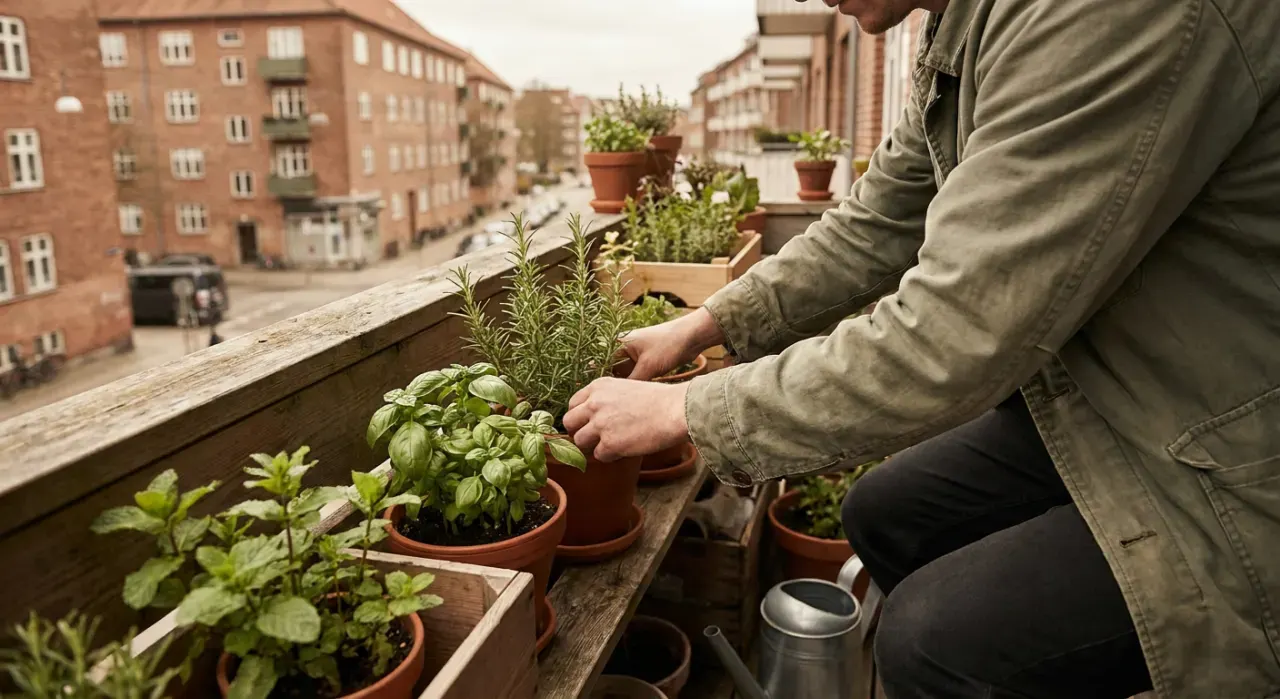
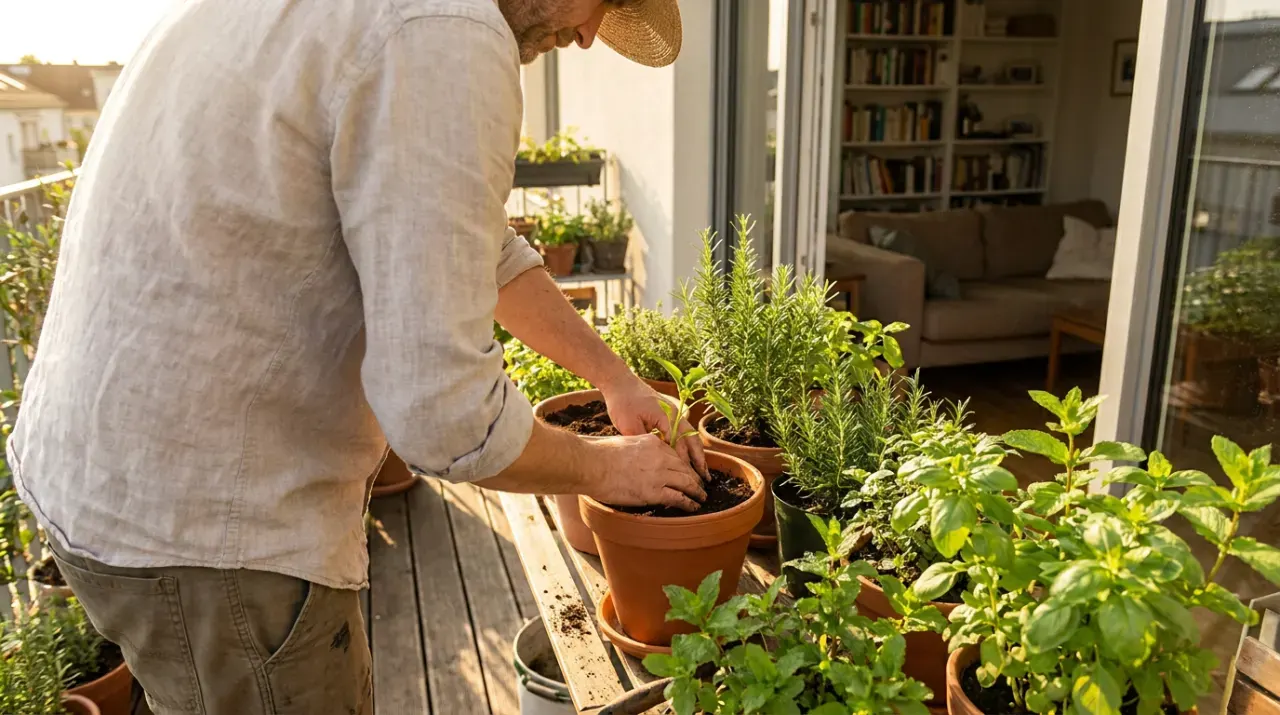
Most kitchens want both camps, and the practical arrangement is simply two containers rather than one clever compromise. Put the soft herbs — basil, parsley, cilantro, chives — into a self-watering box together, where they share the same appetite. Put the woody herbs into a separate unglazed terracotta pot, which breathes and dries through its walls and is genuinely the better container for them, and let it dry down between waterings. Mint and lemon balm get a pot each regardless of type, because they run.
This also solves the sun problem neatly. The Mediterranean herbs want the hottest, brightest, driest position you have; the soft herbs will take that too but are happier with some afternoon shade in high summer, when a small reservoir struggles to keep up with a basil in full sun.
What to Sow, What to Sow It In, and What to Feed It
The pots themselves are ranked separately — see the best self-watering pots. What this page needs is the seed, the medium that carries water up to it, and a feed that will not spoil a closed system.
Check price on Amazon → (paid link)
The Seed, Medium and Feed, Ranked

Best for the single herb that most visibly rewards an uninterrupted water supply
- Non-GMO heirloom Genovese, the large-leaf culinary basil
- Germinates in warm medium in about 5 to 10 days; sow shallow and keep the surface damp
- Cut-and-come-again above a leaf pair for months of harvest from one sowing
- Full sowing and growing instructions printed on the packet
Why buy it: basil wilts, toughens and turns bitter the moment its medium dries, so it is the herb a reservoir helps most. It is also the cheapest way to prove to yourself that the format works.

Best for raising herb seedlings, and lightening a mix that has stopped wicking
- Coconut coir, a fine-pored medium with strong capillary rise
- Rewets readily from dry, unlike peat that has been allowed to shrink
- Compressed brick expands to roughly 8 quarts with water
- Free of added fertilizer, so seedlings are not burned
Why buy it: wicking is a property of the medium, not the pot. Coir holds a continuous network of fine pores, which is exactly what carries water from a reservoir up to a shallow herb root system.
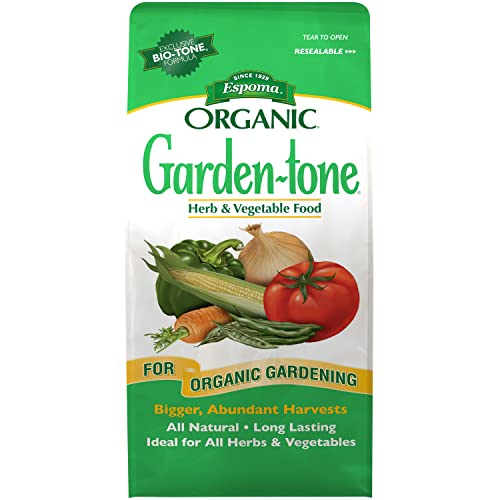
Best for top-dressing a herb pot without dosing the reservoir
- Granular slow-release organic feed, applied to the medium surface
- Mild 3-4-4 analysis suited to leafy herbs, which sulk on heavy nitrogen
- Releases as irrigation carries it down rather than all at once
- Safe for edible crops and approved for organic gardening
Why buy it: liquid feed poured into a reservoir grows algae and leaves salt behind, because a sealed system never leaches. A granular feed on the surface avoids both problems.
Quick Comparison
| Product | Best for | Rating | Price | Buy |
|---|---|---|---|---|
| Sow Right Seeds Genovese Sweet Basil Seed for Planting | Best Herb to Start With | — | Check (paid link) | |
| Burpee Organic Coir Compressed Seed Starting Mix, 8 qt Brick | Best Medium for Sowing | — | Check (paid link) | |
| Espoma Organic Garden-Tone 3-4-4 Fertilizer for Vegetables and Herbs | Best Feed for a Closed System | — | Check (paid link) |
How We Rank
We do not buy, grow or physically handle these products. Herb recommendations follow conventional horticultural guidance on moisture preference, root-zone oxygen and the drought adaptations of Mediterranean subshrubs, and we flag the places where common advice outruns the evidence. Product verdicts come from aggregated owner ratings read at volume, weighted toward reviews describing germination, wicking and real use. Prices were checked at the time of writing. Full method: how we rank.
Where to Go Next
Once you know which herbs are going in, pick the container: the best self-watering pots, sized to one herb per small pot or a mixed box for the soft herbs together. For the same question across vegetables and houseplants rather than herbs, see the best plants for self-watering pots, and for the mechanism itself, how self-watering pots work. Growing herbs on a balcony rail instead? The constraints are the opposite ones — heat, wind and constant drying — and they are covered in the best plants for railing planters.
The Verdict
Soft green herbs love a reservoir; woody gray herbs die in one. Put basil, mint, parsley, cilantro, chives, dill, tarragon and lemon balm in a self-watering pot, filled with a fine coir or peat mix that actually wicks, fed with a mild granular feed on the surface rather than liquid in the water. Put rosemary, thyme, sage, oregano and lavender in terracotta and mostly forget about them. Run the two side by side and you get the best of both, instead of losing half your herb rack to the wrong container.
Next: the small-space gardening hub · best self-watering pots · best plants for self-watering pots · fertilizing container plants · how we rank.