 Garden

Affiliate Disclosure
Some links on this page are affiliate links. As an Amazon Associate, we earn from qualifying purchases — at no extra cost to you. We do not buy, test, or physically handle the products we cover; our rankings come from aggregated owner reviews, ratings and expert consensus. Commissions never change our verdicts. How we rank · full disclosure.
A tomato plant needs at least a 5-gallon pot, and large indeterminate varieties do best in 10 to 20 gallons. Five gallons is the practical minimum and suits determinate (bush) and dwarf patio tomatoes; the tall, all-season indeterminate types perform far better with more room, because the extra soil holds more water and nutrients and dries out more slowly. Aim for a container at least 12 inches deep, deeper for big varieties, and match the pot to the tomato type. One tomato per pot is the reliable rule — crowding two into a small pot leaves both fighting for the same water and nutrients.
We never buy, test or physically handle the products we rank; recommendations come from aggregated owner reviews and expert consensus, described in how we rank. More at the small-space gardening hub.
What size for which tomato?
The right pot depends entirely on the variety, because a compact patio tomato and a 6-foot indeterminate vine have very different root demands. Match the container to the plant:
| Tomato type | Minimum pot | Ideal pot |
|---|---|---|
| Dwarf / patio | 3 gallons | 5 gallons |
| Determinate (bush) | 5 gallons | 7 to 10 gallons |
| Indeterminate (vining) | 5 gallons | 10 to 20 gallons |
Why do bigger pots grow better tomatoes?
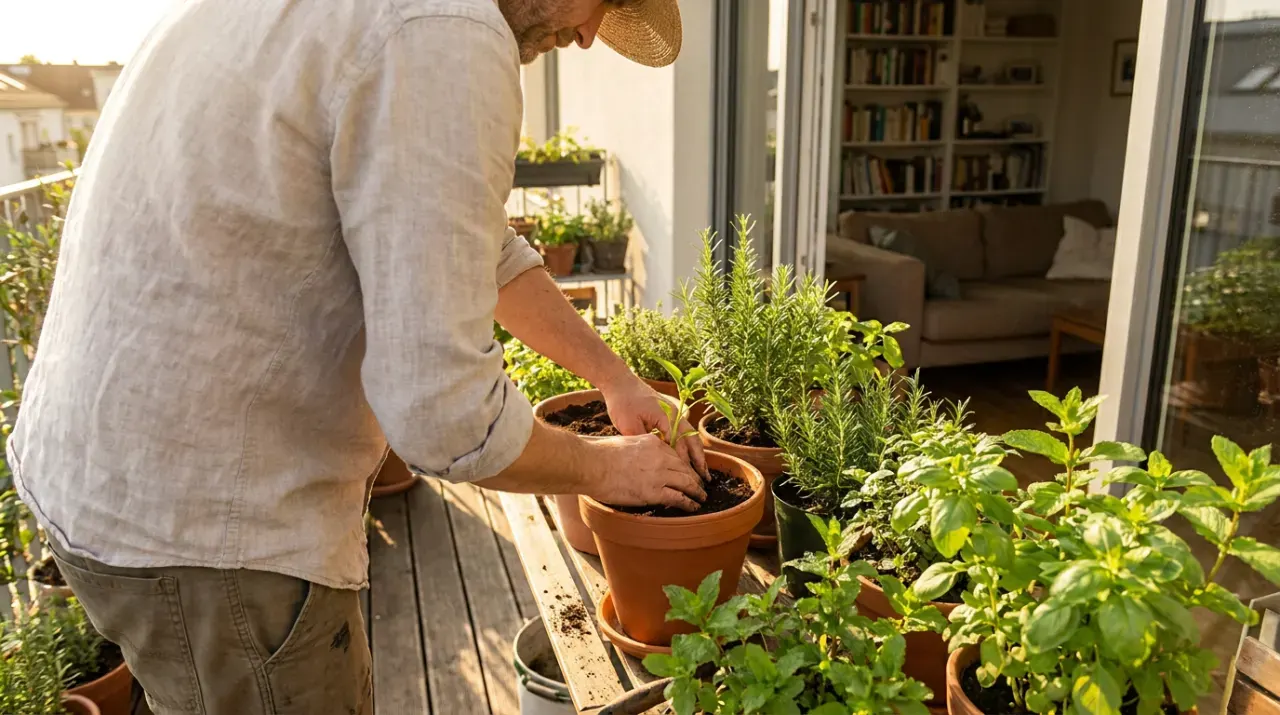
It comes down to water and root room. Tomatoes are thirsty, heavy-fruiting plants that build large root systems to support the crop, and a bigger pot gives those roots the space and the soil volume they need. Just as important, more soil holds more water and buffers the plant against the moisture swings tomatoes hate — swings that cause blossom-end rot and split fruit. A small pot dries out fast and forces the roots into a cramped, stressful zone, so the plant produces less. The extra gallons are not luxury; they directly translate into a bigger, healthier harvest.
Depth, width, and planting deep
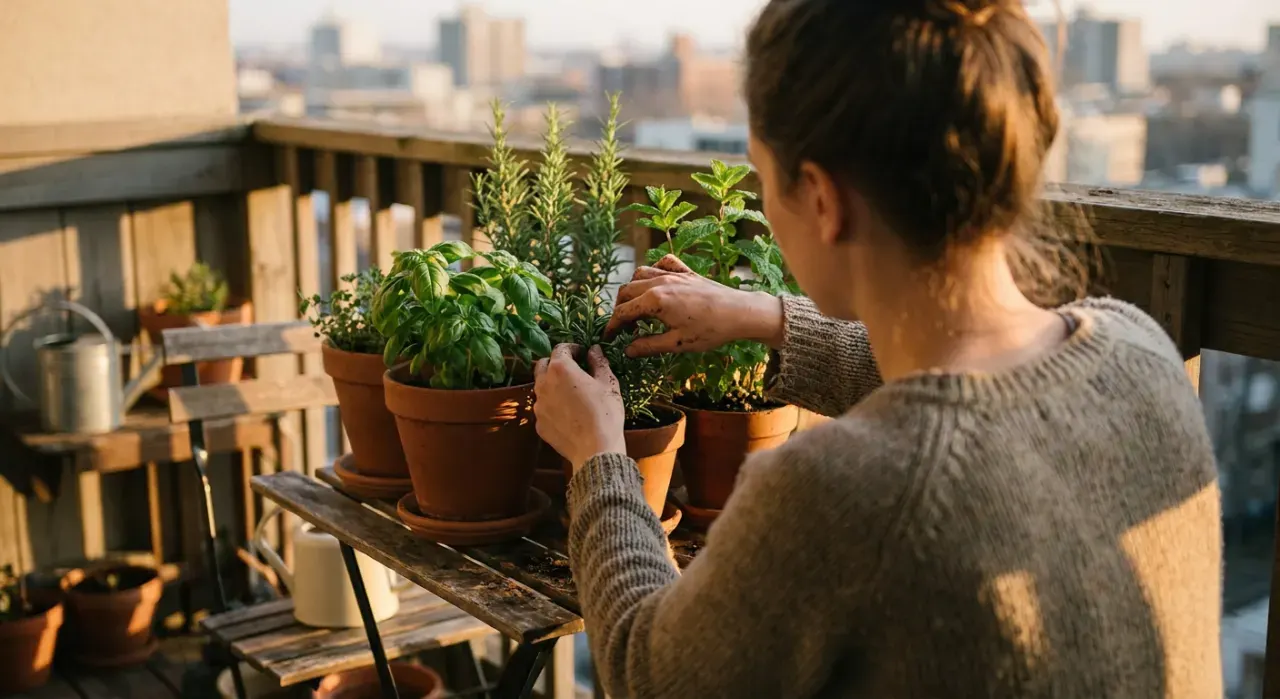
For tomatoes, depth earns special attention because they root along a buried stem. When you plant a tomato, strip the lower leaves and bury the stem deep — new roots form all along the buried section, giving the plant a stronger, more drought-resistant root system. So choose a pot at least 12 inches deep, and deeper still for large varieties. Width matters too: a tall indeterminate plant gets top-heavy, and a wider, heavier pot resists tipping and holds more soil. In practice, pick by total gallon volume first, then favor a pot that is both deep and stable.
Bigger pots mean less watering
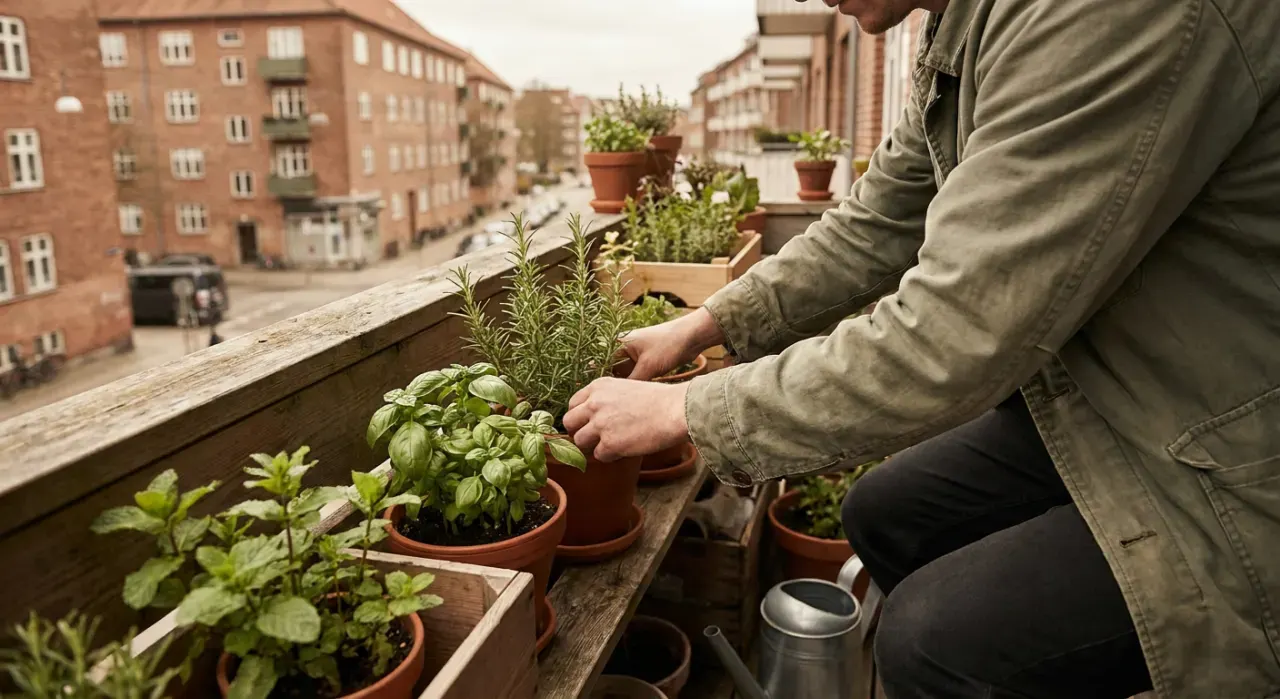
A practical bonus of a large pot is less work. More soil means more stored water, so a 15- to 20-gallon container dries out much more slowly than a 5-gallon one, which in peak summer heat can need watering every day. Consistent moisture is also what keeps a tomato free of blossom-end rot and cracking, so the larger pot is both easier to maintain and healthier for the plant. If you cannot water daily in summer, sizing up — or using a self-watering container — is the difference between a thriving plant and a stressed one. See watering containers in summer and our best self-watering pots.
What else does a container tomato need?
Pot size is step one; feeding and general container care follow. Tomatoes are heavy feeders in pots — see how often to fertilize container plants — and every pot needs drainage, covered in do all pots need drainage holes. For fitting more crops into containers, see plants per 5-gallon bucket and our container size by crop guide. More in the small-space gardening hub.