 Garden

Affiliate Disclosure
Some links on this page are affiliate links. As an Amazon Associate, we earn from qualifying purchases — at no extra cost to you. We do not buy, test, or physically handle the products we cover; our rankings come from aggregated owner reviews, ratings and expert consensus. Commissions never change our verdicts. How we rank · full disclosure.
What to plant in April depends on your zone: cold-region gardeners in zones 3 to 5 direct-sow peas, spinach, and radishes as the ground thaws while growing warm crops indoors, temperate zones 6 to 7 plant potatoes and transplant brassicas while hardening off tomatoes, and warm zones 8 to 11 set out tomatoes, peppers, beans, corn, and squash after the last frost. April is peak planting season across most of the country — the cool-season garden fills out in the north, and the warm-season garden goes in across the South. Here is the crop-by-crop plan for each climate band.
We do not test or physically handle the plants and products we cover; our guidance draws on horticultural extension research and the aggregated experience in thousands of owner reviews, as explained in how we rank.
April is peak planting energy across most of the country, and for a huge swath of gardeners it is the month that brackets the last spring frost — the single most important date in the vegetable calendar. That makes April a two-speed month: hardy crops that shrug off a light freeze go in early, while tender crops wait for the frost to pass at the end. In the north the outdoor season opens at last as the ground becomes workable, and the cool-season garden of peas, greens, and root crops fills the beds while tomatoes and peppers finish growing under lights. In temperate zones it is the busiest outdoor planting stretch of the year, with potatoes, brassicas, and a long list of direct-sown crops all going in. Warm and frost-free southern regions, well past their frost, are planting the full summer garden of tomatoes, beans, corn, and squash into soil that has warmed enough to drive fast growth. Matching each crop to your frost date and soil temperature — rather than to a single warm weekend — is what separates a productive April from a frost-nipped one. Below, each climate band gets its own plan.
April planting at a glance by zone
Find your band, then read the matching section. The last frost date is the hinge of April planting: hardy crops go in before it, tender crops after. Confirm your own average date, because April brackets the last frost for a huge swath of the country.
| USDA zone | Typical last frost | April action |
|---|---|---|
| 3 to 5 (cold) | Mid-May to early June | Direct-sow peas, greens, roots; warm crops indoors |
| 6 to 7 (temperate) | Mid-April to early May | Plant potatoes, transplant brassicas; harden off tomatoes |
| 8 to 9 (warm) | Late February to March | Set out tomatoes, peppers, beans, corn, squash |
| 10 to 11 (frost-free) | None | Plant heat-tolerant crops before summer |
Cold regions (zones 3-5): the outdoor season finally opens
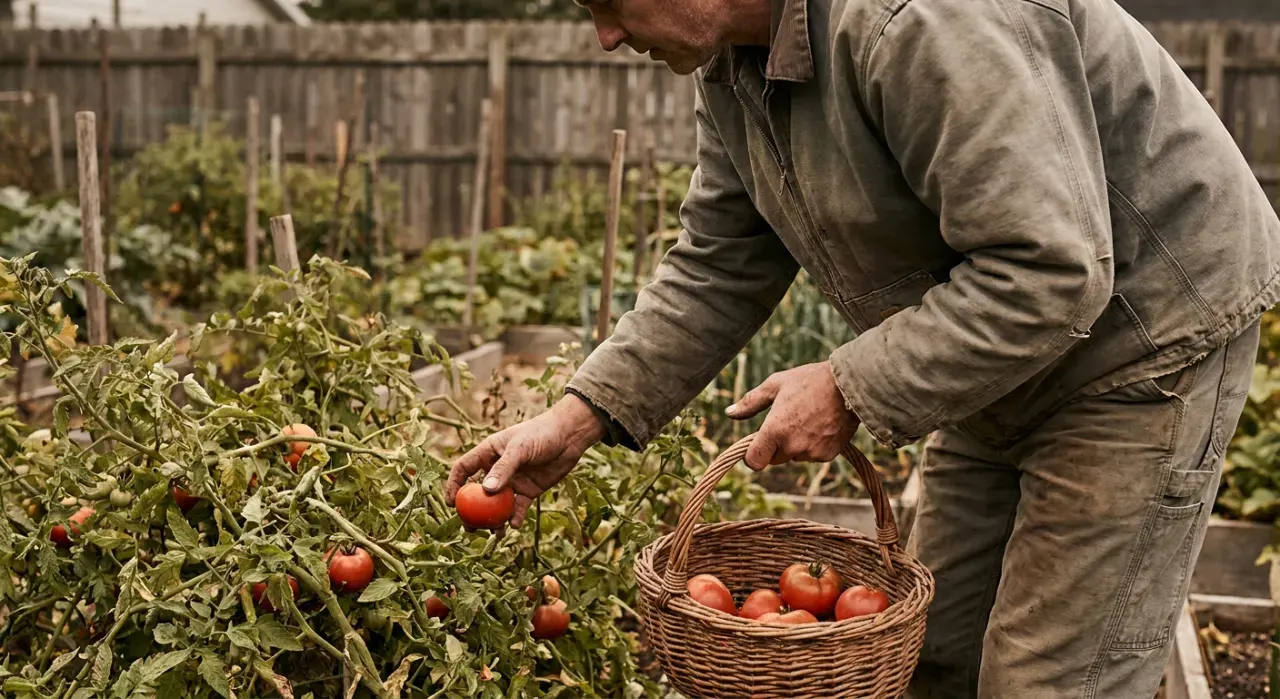
April is when northern gardeners get their hands in the soil at last. As the ground thaws and drains, the hardy cool-season crops go in outdoors, while tomatoes and peppers keep growing under lights for a late-May setting-out.
| Crop | Sow method | Days to maturity |
|---|---|---|
| Peas | Direct, 1 in. deep | 55 to 70 |
| Spinach and arugula | Direct, ½ in. deep | 30 to 50 |
| Radishes | Direct, ½ in. deep | 25 to 30 |
| Lettuce | Direct, ¼ in. deep | 30 to 45 |
| Onion sets and potatoes | Plant as soil dries | 90 to 110 (potatoes) |
Transplant cold-hardy cabbage, broccoli, and cauliflower starts under row cover late in the month. Keep tomatoes, peppers, and cucumbers indoors — frost is still weeks off. A cold frame or low tunnel lets you sow the hardy crops a couple of weeks earlier and adds insurance against a late cold snap.
Temperate regions (zones 6-7): the big spring planting
April is the busiest outdoor month of the year in zones 6 and 7. The last frost falls during the month, so hardy crops go in early and tender crops follow at the end.
- Potatoes — plant seed pieces early April, two to four weeks before your last frost.
- Brassicas — transplant cabbage, broccoli, cauliflower, and kale starts under cover.
- Direct-sow carrots, beets, chard, lettuce, spinach, radishes, and a last round of peas early in the month.
- Harden off tomatoes and peppers — begin acclimating them late April for a setting-out once frost passes; see hardening off seedlings.
In the warmest zone 7 gardens, tomatoes can go out at the very end of April, but most gardeners hold them until the first week of May. Watch the ten-day forecast rather than the calendar for tender transplants.
Warm regions (zones 8-9): the warm-season garden goes in
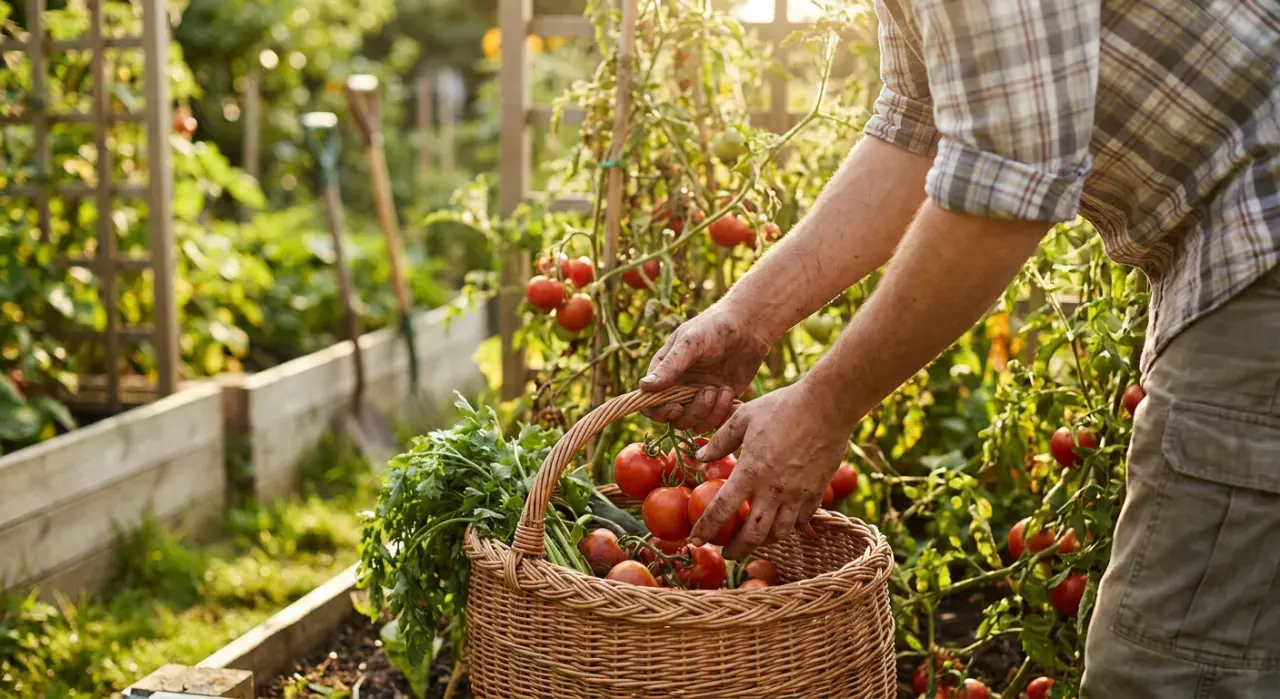
With the last frost well behind them, warm-South gardeners plant the full summer lineup in April. Soil has warmed enough for direct-sowing heat-loving crops.
| Crop | Sow method | Days to maturity |
|---|---|---|
| Tomatoes and peppers | Transplant starts | 60 to 85 from transplant |
| Bush and pole beans | Direct, 1 in. deep | 50 to 65 |
| Sweet corn | Direct, 1 to 1½ in. deep | 60 to 90 |
| Cucumbers | Direct, 1 in. deep | 50 to 65 |
| Summer and winter squash | Direct, 1 in. deep | 50 to 100 |
Get tomatoes and peppers in early so they set fruit before the summer heat stalls them; heat-tolerant varieties are worth seeking out. Direct-sow beans, corn, cucumbers, and squash into warm soil. Melons and okra can go in late in the month as the soil holds above 65°F.
Frost-free regions (zones 10-11): planting for heat tolerance
In south Florida, deep south Texas, coastal southern California, and Hawaii, summer heat and humidity are closing in. April planting focuses on crops that shrug off heat: okra, southern (cowpea) peas, sweet potatoes, malabar spinach, yard-long beans, and heat-set cherry tomatoes. The tender leafy greens and standard tomatoes of the cool season are finishing now, so the emphasis shifts to what will actually survive and produce through the hottest months.
Starting succession sowings for a longer harvest
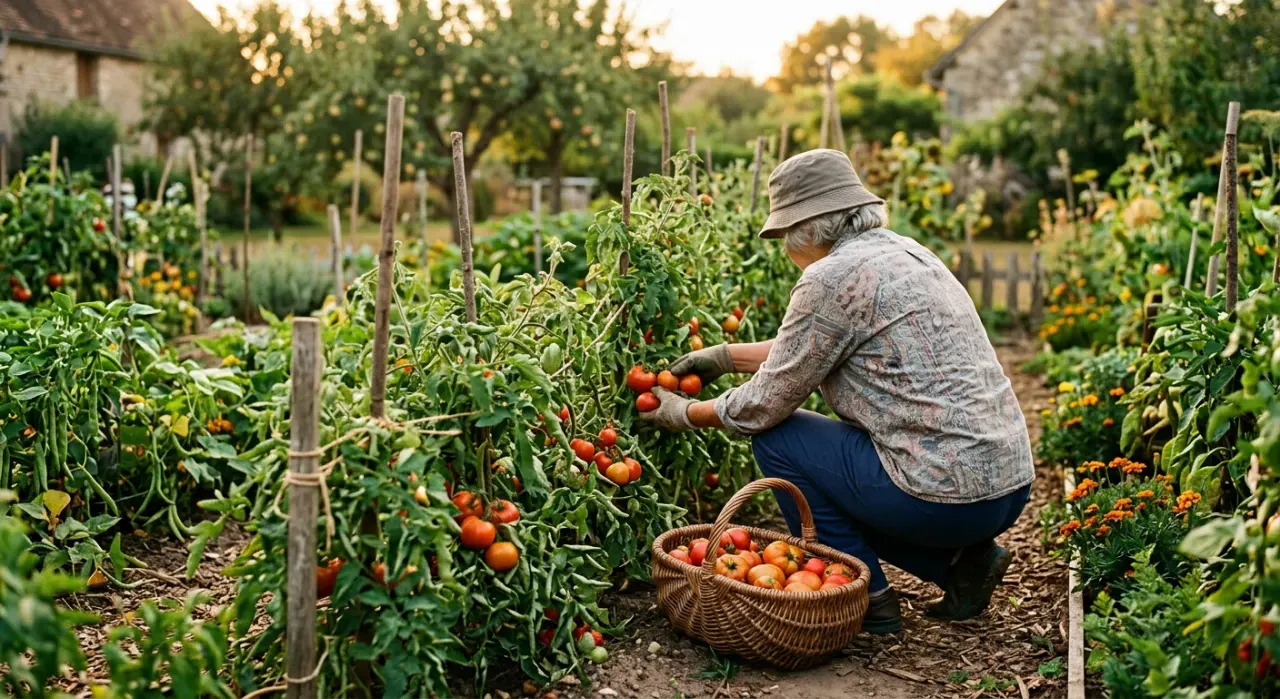
April is the month to begin succession sowing — planting small amounts of fast crops every couple of weeks so the harvest arrives steadily instead of all at once. It is the single best habit for keeping a kitchen garden productive.
- Lettuce and radishes — sow a short row every 10 to 14 days for a continuous supply of both.
- Beans (warm zones) — a fresh sowing every two to three weeks keeps pods coming until heat or frost stops them.
- Spinach and arugula — quick successions in cool regions before summer heat triggers bolting.
Keep a simple planting log so you know what went in when. This is also the moment to firm up your feeding plan: young transplants and heavy-feeding crops benefit from a balanced feed at planting, and owners consistently favor the general formulations ranked in best vegetable garden fertilizer.
Common April planting mistakes
| Mistake | Result | Fix |
|---|---|---|
| Setting tender crops out before last frost | Frost damage or death | Wait for your average last frost, watch the forecast |
| Direct-sowing beans in cold soil | Seed rots; patchy stands | Wait for 60°F soil for warm-season seed |
| Planting everything at once | A glut, then nothing | Succession-sow fast crops every 10 to 14 days |
| Skipping hardening off | Transplant shock and scald | Acclimate indoor plants over 7 to 10 days |
Planting potatoes the right way
April is the main potato-planting month across temperate zones 6 and 7 and the north's early window, so it is worth getting the method right — potatoes reward good planting with heavy yields and punish shortcuts with green, sparse tubers. Start with certified seed potatoes rather than grocery-store spuds, which are often treated to resist sprouting and can carry disease.
- Cut and cure the seed — a day or two before planting, cut larger seed potatoes into pieces with one or two eyes each and let the cut surfaces dry and callus, which reduces rot in cool soil. Small egg-sized tubers can be planted whole.
- Plant into cool, workable soil — set pieces cut-side down about 4 inches deep and 12 inches apart in rows, two to four weeks before your last frost. Sprouts tolerate light frost, but a hard freeze can nip emerged shoots.
- Hill as they grow — when shoots reach 6 to 8 inches, mound soil or straw up around the stems, leaving the top few inches of foliage exposed. Repeat every couple of weeks.
Hilling is the step that most affects the harvest. Potatoes form along the buried stem, so mounding increases the yield and, just as importantly, keeps developing tubers covered. Any potato exposed to light turns green and produces solanine, a bitter, mildly toxic compound that makes it inedible, so keeping them in the dark under a growing hill is essential. Potatoes are heavy feeders that prefer slightly acidic, loose soil; work in compost at planting and keep the bed evenly moist once tubers begin to size up. Stop watering as the tops yellow and die back, then let the skins set in the ground for a couple of weeks before digging for storage.
Related: look back at what to plant in March, ahead to what to plant in May, review the full spring planting guide, or read how we rank.