 Garden

Affiliate Disclosure
Some links on this page are affiliate links. As an Amazon Associate, we earn from qualifying purchases — at no extra cost to you. We do not buy, test, or physically handle the products we cover; our rankings come from aggregated owner reviews, ratings and expert consensus. Commissions never change our verdicts. How we rank · full disclosure.
A standard plastic compost bin costs $40 to $120 as of 2026, a dual-chamber tumbler $90 to $300, a worm bin $80 to $250, and a wooden or cedar three-bay system $200 to $600. An open pile costs nothing and composts perfectly well. The most useful thing to know before spending: many US cities and counties subsidize bins for residents at $20 to $50, or give them away with a workshop, so check your municipality before paying retail. Prices are 2026 US figures and vary with material costs and season.
We never buy or physically handle the products we rank; recommendations come from aggregated owner reviews, verified star ratings and review volume, described in how we rank. More at the composting and soil hub.
Prices by Type
| Type | Typical price | Capacity | Lifespan | Best for |
|---|---|---|---|---|
| Open pile | $0 | Unlimited | — | Large yards, no neighbors close by |
| Wire mesh circle (DIY) | $15 to $30 | 30 to 60 gal | 5 to 10 years | Leaf composting, cheapest real bin |
| Pallet bin (DIY) | $0 to $40 | 90 to 200 gal | 3 to 8 years | Volume on a budget |
| Molded plastic static bin | $40 to $120 | 60 to 110 gal | 5 to 10 years | Most suburban yards |
| Single-chamber tumbler | $70 to $160 | 30 to 60 gal | 5 to 12 years | Small yards, fast batches |
| Dual-chamber tumbler | $120 to $300 | 2 x 25 to 40 gal | 5 to 15 years | Continuous supply, no digging |
| Worm bin (stacked tray) | $80 to $250 | Small, concentrated output | 10+ years | Apartments, kitchen scraps, castings |
| Cedar or three-bay wooden | $200 to $600 | 150 to 300 gal | 5 to 15 years | Serious volume, appearance matters |
| Kitchen countertop caddy | $20 to $50 | 0.5 to 1.5 gal | Years | Collecting scraps indoors |
| Electric kitchen composter | $300 to $600 | Small batches | 3 to 7 years | Apartments with no outdoor space |
One clarification worth making: electric countertop units do not make compost. They dehydrate and grind food waste into a dry meal that still needs to be composted or buried before it is a soil amendment. They solve a storage and odor problem, not a composting one.
Municipal Programs Cut These Numbers Sharply
Backyard composting reduces the organic fraction of municipal waste, and EPA promotes home composting for exactly that reason. That is why cities pay to put bins in yards. Common structures:
- Subsidized purchase: a standard bin at $20 to $50, often at a county extension office or a spring distribution event.
- Free with training: attend a one-hour composting workshop, take a bin home.
- Rebate: buy retail, submit the receipt, get $20 to $75 back.
- Water utility programs in drought-prone western states, which fund composting as a soil-moisture measure.
Availability varies by year and by budget. Search your city or county name plus compost bin program, or call the solid waste department. It is a five-minute check that routinely saves $50 or more.
What Moves the Price
- Material and UV stabilization. Recycled HDPE with genuine UV inhibitors costs more than thin unstabilized plastic and lasts twice as long. Cracking after two summers is the classic budget-bin failure.
- Capacity. The dominant variable in static bins. Doubling volume roughly doubles material cost.
- Mechanism. Tumblers pay for a frame, bearings, a rotation handle and doors. That hardware is also where they fail.
- Number of chambers. Dual-chamber adds $40 to $120 and solves the batch-continuity problem — see how to start a compost tumbler for why that matters.
- Rodent resistance. Fine metal mesh floors and secure latching lids add cost and are the difference between a bin you can put kitchen scraps in and one you cannot. Related: do compost bins attract rats.
- Appearance. Cedar and powder-coated steel carry a real premium over black plastic for reasons that have nothing to do with compost.
- Assembly. Flat-pack bins are cheaper to ship and are the source of most one-star reviews, which cluster around missing hardware and misaligned panels rather than composting performance.
Running Costs and Extras
Composting is nearly free to run, but a few line items are worth budgeting:
- Compost thermometer: $15 to $25. The single most useful accessory, and it turns troubleshooting from guesswork into a reading.
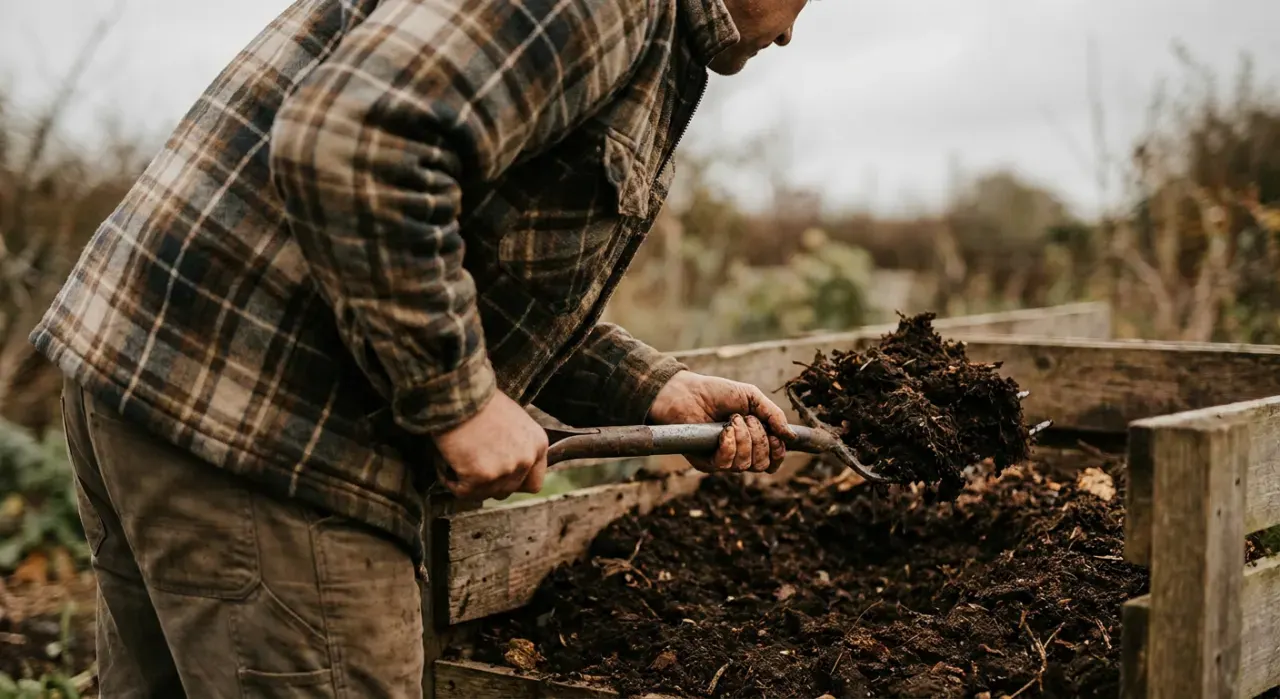
- Aerator tool or compost fork: $20 to $45 for static bins.
- Kitchen caddy plus carbon filters: $20 to $50, filters $8 to $15 a year.
- Browns storage: free if you bag fall leaves, which is the cheapest and best carbon source there is.
- Composting worms: $30 to $60 a pound if starting a worm bin. Detail at how many worms you need.
- Replacement parts on tumblers — door latches and bearings — typically $10 to $40 and worth checking availability before buying a brand.
Does It Pay for Itself?
Bagged compost runs roughly $5 to $9 per cubic foot at garden centers, and bulk delivered compost about $30 to $60 per cubic yard plus delivery, as of 2026. A 100-gallon static bin producing two finished batches a year yields roughly 10 to 14 cubic feet of compost, which is $50 to $110 of retail equivalent annually. On that arithmetic a $100 bin pays back in one to two years, and a $250 tumbler in two to four.
The honest caveat is that homemade compost is not identical to screened bagged product, and most gardeners find they still buy some. The stronger argument is what leaves the house: food scraps and yard waste stop going to landfill, and the soil-building effect on a garden over five years is worth more than the bagged-compost saving.
If you are choosing, tumbler vs compost bin is the direct comparison and how big should a compost bin be covers sizing. Our current rankings are at best compost bin, best compost tumbler, best kitchen compost bin and best worm composting bin. Siting advice is at where to put a compost bin.