 Garden
Affiliate Disclosure
Some links on this page are affiliate links. As an Amazon Associate, we earn from qualifying purchases — at no extra cost to you. We do not buy, test, or physically handle the products we cover; our rankings come from aggregated owner reviews, ratings and expert consensus. Commissions never change our verdicts. How we rank · full disclosure.
The short version: for a bermuda lawn, our #1 pick is Celsius WG — it controls a very wide weed list and, almost uniquely among selective herbicides, its label imposes no high-temperature cutoff, which is what southern summers demand. If crabgrass is the specific problem, quinclorac is the active that kills it at any growth stage. For a cheap single bottle that handles broadleaf weeds and crabgrass together, Ortho Weed B Gon Plus Crabgrass Control is the practical answer, and bermudagrass tolerates it well.
The reason bermuda deserves its own page is simple: it is tougher than almost any other lawn grass in America. Chemistry that thins St. Augustine or scorches fescue barely registers on established bermuda. That opens up cheaper, stronger options — and it also means the mistakes are different ones. On bermuda you are far more likely to hurt the lawn with timing than with product choice.
Top Picks at a Glance

Our #1 Pick: Celsius WG
Celsius WG is a water-dispersible granule combining three actives — thiencarbazone-methyl, iodosulfuron-methyl-sodium and dicamba — formulated specifically for warm-season turf. It is labeled for bermudagrass, zoysia, centipede and St. Augustine, which is an unusual span, and it controls well over a hundred broadleaf and grassy weeds including doveweed, virginia buttonweed, dollarweed and spurge.
The property that makes it worth its price is the absent temperature ceiling. Nearly every other selective herbicide on a homeowner shelf tells you not to apply above about 85 to 90°F. In Georgia, Texas or Florida between June and September, that instruction rules out most of the day for most of the season — and bermuda weeds do not politely wait. Celsius has no such restriction, so it can be applied when the weeds are actually growing.
The limitation owners run into is arithmetic. The rate is stated in fractions of an ounce per gallon of spray, and it genuinely is that low. You need a small scale that reads in grams, or the measuring scoop, and you need to respect the number. Overdosing does not improve control; it just increases the chance of the temporary yellowing that shows up in the negative reviews. Results are also deliberately slow — expect weeds to stall for a week before they begin to collapse, over two to three weeks in total.
Check price on Amazon → (paid link)
The Ranked Field

Best for bermuda lawns in summer heat, when everything else risks burning the turf
- Three actives — thiencarbazone, iodosulfuron and dicamba
- No high-temperature cutoff on the label
- Labeled for bermuda, zoysia, centipede and St. Augustine
- Very low use rate — a bottle treats acres
Why buy it: the one selective a bermuda lawn owner can spray in August without gambling the turf on a cool morning that never comes.
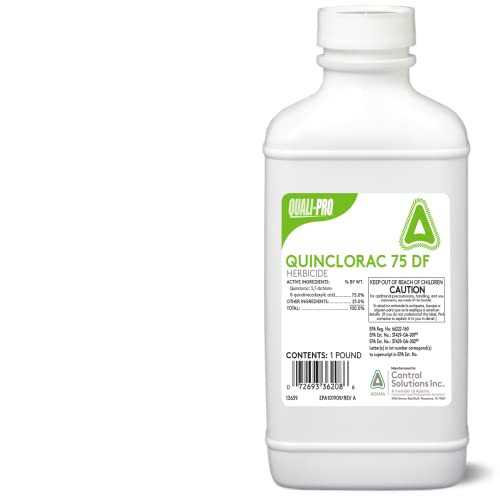
Best for crabgrass and foxtail already up and tillering in bermuda
- 75% quinclorac — the standard post-emergent crabgrass active
- Kills crabgrass at any growth stage, including tillered plants
- Also controls clover, dandelion and torpedograss suppression
- Needs methylated seed oil or a crop oil surfactant added
Why buy it: the only common homeowner-available active that reliably kills mature crabgrass instead of just yellowing it.
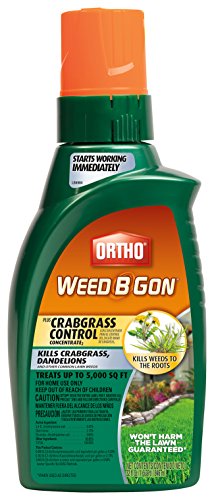
Best for one bottle that covers broadleaf weeds and crabgrass on a normal-sized bermuda lawn
- 2,4-D, quinclorac and dicamba in one premix
- Covers broadleaf and grassy weeds together
- Mixes into a pump or backpack sprayer
- Widely stocked and cheap per treatment
Why buy it: the shortcut for owners who do not want to buy three products and a surfactant to clean up one lawn.
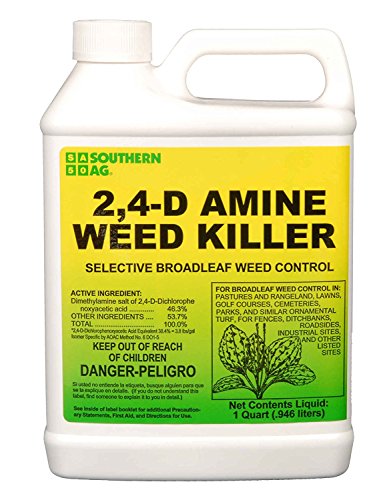
Best for large bermuda lawns with a straightforward broadleaf weed problem
- Low-volatile amine formulation of 2,4-D
- Bermudagrass is highly tolerant of 2,4-D
- Extremely low cost per thousand square feet
- Controls dandelion, clover, plantain, henbit and more
Why buy it: bermuda shrugs off 2,4-D better than almost any turf in America, which makes the cheapest broadleaf active also one of the safest here.
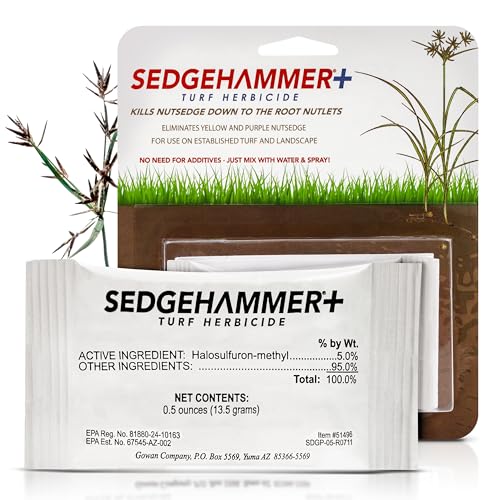
Best for the shiny triangular weed that grows back three days after mowing
- Halosulfuron — specific to yellow and purple nutsedge
- Surfactant already blended into the packet
- Pre-measured, no scale required
- Safe on established bermudagrass at label rates
Why buy it: nutsedge is neither a grass nor a broadleaf, so ordinary lawn weed killers walk straight past it — this is the chemistry that does not.
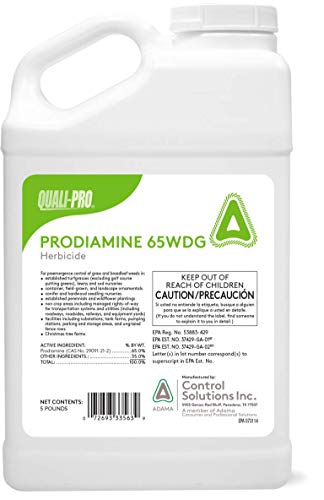
Best for stopping next spring’s crabgrass before it germinates
- Prodiamine 65 WDG — the professional pre-emergent standard
- Season-long barrier at a single split-rate application
- Labeled for bermudagrass at high rates
- A 5 lb jug treats a home lawn for several years
Why buy it: every hour spent spraying crabgrass in July is an hour that a February prodiamine application would have saved.
Quick Comparison
| Product | Best for | Rating | Price | Buy |
|---|---|---|---|---|
| Bayer Celsius WG Herbicide, 10 oz | Best Overall | — | Check (paid link) | |
| Quali-Pro Quinclorac 75 DF Selective Herbicide, 1 lb | Best for Crabgrass | — | Check (paid link) | |
| Ortho Weed B Gon Plus Crabgrass Control Concentrate, 32 oz | Best All-Rounder | — | Check (paid link) | |
| Southern Ag Amine 2,4-D Weed Killer, 32 oz | Best Value | — | Check (paid link) | |
| SedgeHammer Plus Turf Herbicide, 13.5 g Packets | Best for Nutsedge | — | Check (paid link) | |
| Quali-Pro Prodiamine, Pre-Emergent Herbicide, 5 lbs, Yellow Granules | Best Prevention | — | Check (paid link) |
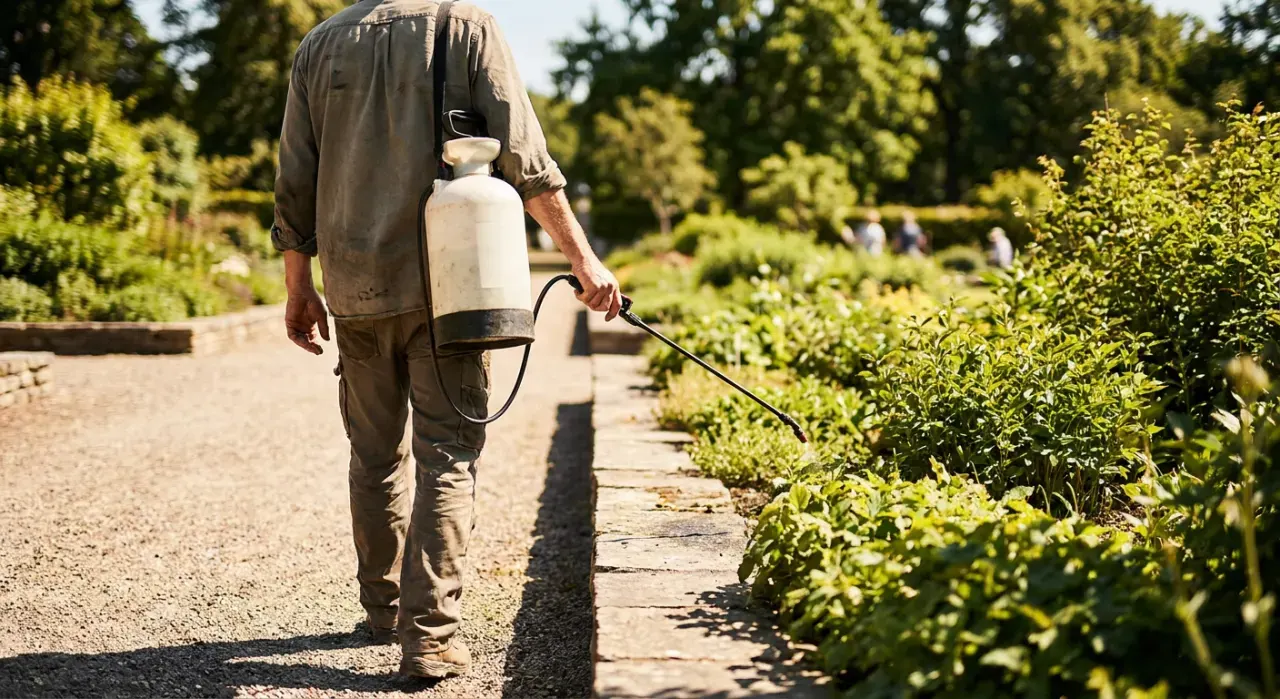
Specifications Side by Side
| Product | Active ingredient | Targets | Heat limit | Form |
|---|---|---|---|---|
| Celsius WG | Thiencarbazone + iodosulfuron + dicamba | 150+ broadleaf and grassy weeds | None stated on label | Dry granule, mixes in water |
| Quinclorac 75 DF | Quinclorac 75% | Crabgrass, foxtail, clover, dandelion | Follow label; avoid heat stress | Dry flowable |
| Ortho Weed B Gon Plus | 2,4-D + quinclorac + dicamba | Broadleaf weeds and crabgrass | Roughly 85–90°F | Liquid concentrate |
| Southern Ag 2,4-D Amine | 2,4-D amine | Broadleaf weeds only | Roughly 85–90°F | Liquid concentrate |
| SedgeHammer Plus | Halosulfuron-methyl | Yellow and purple nutsedge | Broadly tolerant | Pre-measured packets |
| Quali-Pro Prodiamine | Prodiamine 65% | Pre-emergent — crabgrass, poa annua, goosegrass | Applied before germination | Water-dispersible granule |
How We Rank
We do not buy or spray these products, and we would rather say so plainly than invent a test plot. Rankings here are built from aggregated owner ratings, weighted toward reviews written several weeks after application rather than on delivery day — a herbicide can only be judged once the weeds have had time to die or come back. Four factors carry the weight. Label fit for bermudagrass, taken from the published label rather than from marketing copy. Reported effectiveness against the weeds bermuda owners actually name in reviews: crabgrass, doveweed, spurge, nutsedge, virginia buttonweed. Rating strength weighed against review volume. And tolerance of user error, because on warm-season turf the difference between a clean lawn and a scorched one is usually rate and timing rather than brand. Prices were checked at the time of writing. Full method: how we rank.
The Bermuda Weed Killers, Reviewed
1. Celsius WG — Best Overall
Covered above. Owners praise: the summer application window, the breadth of the weed list, the tiny use rate, and results on weeds that defeated everything else. Owners gripe about: the up-front price, the need to weigh very small quantities accurately, slow visible action, and temporary yellowing when the rate is pushed. Check price (paid link).
2. Quinclorac 75 DF — Best for Crabgrass
Crabgrass in bermuda is an awkward problem, because crabgrass is a grass and most grass-killing chemistry does not distinguish it from the lawn — Penn State Extension sets out the narrow set of post-emergence options and their limits. Quinclorac is the exception that homeowners can actually buy, and its real advantage is stage independence: it works on a mature, multi-tillered crabgrass plant in August, not only on a seedling in May. Bermudagrass tolerance is good at label rates.
The catch is in the tank. Quinclorac needs a methylated seed oil or crop oil concentrate added, and it needs enough water volume to wet the crabgrass thoroughly. Every cluster of disappointed reviews traces back to one of those two omissions. Expect the crabgrass to redden and collapse over one to three weeks rather than overnight, and expect some cosmetic fallout: Texas A&M AgriLife Extension notes quinclorac can discolor bermudagrass itself for one to two weeks.
Owners praise: killing established crabgrass, cost per treated area, and clover control as a bonus. Owners gripe about: needing a separate surfactant, slow visible results, and measuring a dry powder accurately. Check price (paid link).
3. Ortho Weed B Gon Plus Crabgrass Control — Best All-Rounder
This is the pragmatic pick. It premixes 2,4-D, quinclorac and dicamba, so it does most of what picks 2 and 4 do separately, from one inexpensive bottle you can buy anywhere. On an established bermuda lawn with a mixed weed problem and no interest in becoming a turf hobbyist, it is the sensible starting point.
Its ceiling is real. The concentrations are consumer-grade, so heavy crabgrass infestations often need a second pass, and the dicamba and 2,4-D components bring the standard heat restriction back into play. Treat it as a spring and fall product on bermuda, not a July one.
Owners praise: covering two weed categories at once, low price, easy availability, and visible curling on broadleaf weeds within a day or two. Owners gripe about: mature crabgrass surviving one pass, turf yellowing when sprayed hot, and drift damage to nearby garden plants. Check price (paid link).
4. Southern Ag Amine 2,4-D — Best Value
Bermudagrass tolerance for 2,4-D is exceptional, which makes the cheapest broadleaf herbicide in the aisle a genuinely good match here rather than a compromise. A quart bottle mixed at label rate treats a large lawn several times over, and the low-volatile amine formulation reduces the vapor drift risk the old ester formulations were known for.
It does exactly one job. It will not touch crabgrass, goosegrass, dallisgrass or any other grassy weed, and it does nothing to nutsedge. Owners who understood that call it the best value in lawn care; owners who expected it to kill everything wrote the one-star reviews.
Owners praise: unbeatable cost per treated area, a bottle that lasts years, and reliable control of dandelion, clover, henbit and plantain. Owners gripe about: zero effect on grassy weeds, a strong smell, and the need to measure small volumes accurately. Check price (paid link).
5. SedgeHammer Plus — Best for Nutsedge
Nutsedge is the stiff, glossy, yellow-green weed that stands a half inch above the lawn two days after you mow. It is a sedge, not a grass and not a broadleaf, and that taxonomy is exactly why 2,4-D products and crabgrass killers ignore it completely. Halosulfuron is the answer, and SedgeHammer Plus supplies it in pre-measured packets with the surfactant already blended in.
Patience is required and the reviews prove it. Treated nutsedge yellows over roughly a week and dies over two to three, and because the plant reproduces from underground tubers a second application later in the season is normal rather than a failure.
Owners praise: killing nutsedge when nothing else did, no mixing calculations, and complete turf safety. Owners gripe about: slow results, needing repeat treatments on established patches, cost per packet, and no effect on ordinary lawn weeds. Check price (paid link).
6. Quali-Pro Prodiamine — Best Prevention
Everything above this line is cleanup. Prodiamine is the product that means you need less of it. Applied before soil temperatures reach the germination threshold, it forms a barrier that stops crabgrass, goosegrass and poa annua seedlings as they emerge, and bermudagrass is labeled at the high end of the rate range because it tolerates the active so well.
Timing is the whole skill. Prodiamine does nothing to weeds that have already germinated — see does pre-emergent kill existing weeds — and applying it late is the most common way to waste a bag. A split application, roughly half the annual rate in late winter and half about eight to ten weeks later, holds the barrier through the whole germination window.
Owners praise: a season of clean turf, a jug that lasts years, and professional-grade results at a homeowner price. Owners gripe about: needing a sprayer and accurate calibration, no effect on existing weeds, and a narrow correct application window. Check price (paid link).
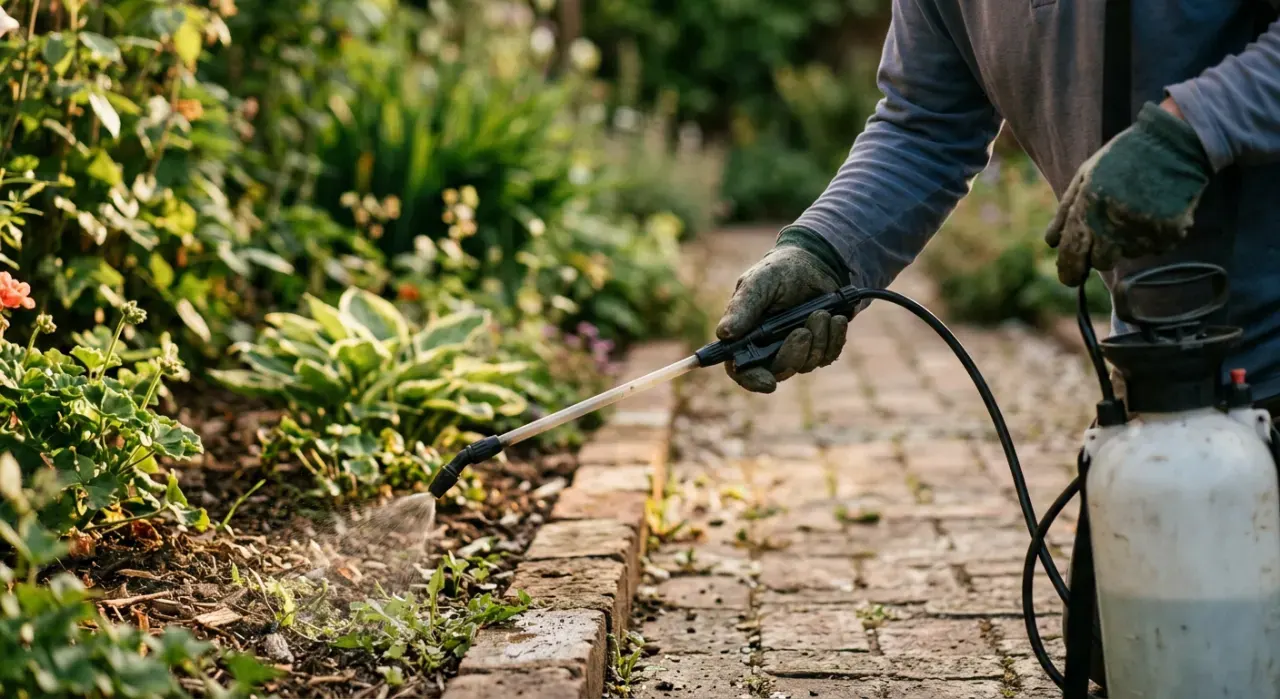
What Owners Actually Complain About
Spraying during green-up. This is the bermuda-specific mistake, and it produces most of the genuine injury reports on this page. Bermuda emerging from dormancy is putting everything into new growth and has almost no reserve capacity to metabolize a herbicide. Owners who spray the first warm week in March and then report a stunted, patchy lawn in April were not unlucky — they were early. Wait until the lawn is fully green and has been mowed at least twice.
Heat damage. Everything except Celsius carries a temperature restriction of roughly 85 to 90°F, and in the bermuda belt that is not a theoretical limit. Turf under heat stress takes up more active ingredient and repairs more slowly, and dicamba can volatilize off the leaf and injure ornamentals nearby. Morning applications on mild days, on turf that is not drought-stressed, remove most of this complaint category.
Missing surfactant. Professional-grade products like quinclorac and Celsius assume you will add a non-ionic surfactant or a methylated seed oil, because the concentrate does not include one. Skip it and the spray beads off waxy weed leaves. A large share of the “it did nothing” reviews on the professional products are this, not the chemistry.
Rain and irrigation. Every label states a rainfast period, and spraying two hours before a thunderstorm wastes the application — and the EPA makes using a product inconsistently with its labeling a violation of federal law, so the intervals are not suggestions. The reverse is also true: a lawn watered the day before treatment responds better than a parched one, because weeds absorb best when actively growing. Our guide to whether weed killer works in the rain covers the intervals.
Expecting overnight results. Celsius and the sulfonylurea chemistries are deliberately slow. Two weeks of apparently nothing followed by collapse is the normal pattern, not a failure, and re-spraying in week one is how people overdose their lawn.
How to Choose for a Bermuda Lawn
Identify the weed before you buy anything. Broadleaf weeds need 2,4-D style chemistry. Crabgrass needs quinclorac. Nutsedge needs halosulfuron and laughs at both. Doveweed and virginia buttonweed — two southern specialists that defeat most consumer products — are where Celsius earns its price. Common lawn weeds identified is the two-minute version.
Then decide whether you are treating or preventing. If you are reading this in July with crabgrass everywhere, you need a post-emergent and a note in your calendar for February. If you are reading it in winter, prodiamine will save you the whole summer problem. Our pre-emergent herbicide picks go into the timing in detail.
Then match the format to your lawn size. A quarter-acre of bermuda justifies a professional concentrate and a backpack sprayer; a small front yard does not. Ready-to-use products cost far more per treated square foot but waste nothing, which is the right trade for spot work.
Finally, fix the cause. Bermuda is a competitive, aggressive grass — a dense, well-fed, correctly mown stand crowds most weeds out on its own. Bermuda wants to be cut short and often, typically one to two inches with a reel or a sharp rotary, and it wants nitrogen through the growing season. If you are spraying the same weeds every year, the lawn is thin somewhere and the herbicide is treating a symptom. Owners with pets should also read the pet-safety picks before choosing anything here, and anyone treating a warm-season lawn other than bermuda should check the St. Augustine page, because that grass is the opposite of tolerant.
The Verdict
Celsius WG is the weed killer we would put on a bermuda lawn if we could only own one: the widest weed list here, safe on the four major warm-season grasses, and the only product that can be sprayed in genuine southern heat. For crabgrass specifically, quinclorac is the active that finishes the job. For a cheap and broadly capable single bottle, Ortho Weed B Gon Plus is the practical answer, and bermuda takes it in stride. For a large lawn and a plain broadleaf problem, nothing beats Southern Ag 2,4-D on cost. And whatever else you buy, put prodiamine on the calendar for late winter — it is the cheapest weed control there is. Check price on Amazon → (paid link)
More from this hub: pest & weed control · best weed killers for lawns · best weed killer for St. Augustine · best weed killer for spurge · selective vs non-selective · how we rank.