 Garden

Affiliate Disclosure
Some links on this page are affiliate links. As an Amazon Associate, we earn from qualifying purchases — at no extra cost to you. We do not buy, test, or physically handle the products we cover; our rankings come from aggregated owner reviews, ratings and expert consensus. Commissions never change our verdicts. How we rank · full disclosure.
To secure a sliding glass door, block the track with a security bar or dowel so it cannot slide open, drive anti-lift screws into the upper track so the panel cannot be lifted out, and add a contact or glass-break sensor for alerts. These three steps defeat the two ways burglars actually get through sliding doors, jimmying the weak factory latch and lifting the panel, and the core fixes cost under 30 dollars. A sliding door is one of the most common forced-entry points in a home, and also one of the cheapest to harden.
We do not physically test the hardware we cover; our guidance draws on locksmith and law-enforcement crime-prevention advice, manufacturer instructions, and owner-review consensus, consistent with how we rank. The measures below are ordered from cheapest and easiest to most involved.
Why sliding doors are a weak point
Sliding glass doors were designed for light and views, not security, and their two vulnerabilities are structural. Understanding them tells you exactly what to fix.
- The factory latch is weak. Most sliders use a simple hook latch that can be shaken, pried, or jimmied open in seconds. It is a convenience catch, not a lock.
- The panel can be lifted out. Many doors, especially older ones, have enough vertical play that the moving panel can be lifted up and out of its track from outside, bypassing the latch entirely.
- Large glass area. Standard tempered glass shatters, though smashing it is loud and slow, so it is the least common attack.
Fix the first two and you have closed the paths intruders actually use.
1. Add a track bar or dowel
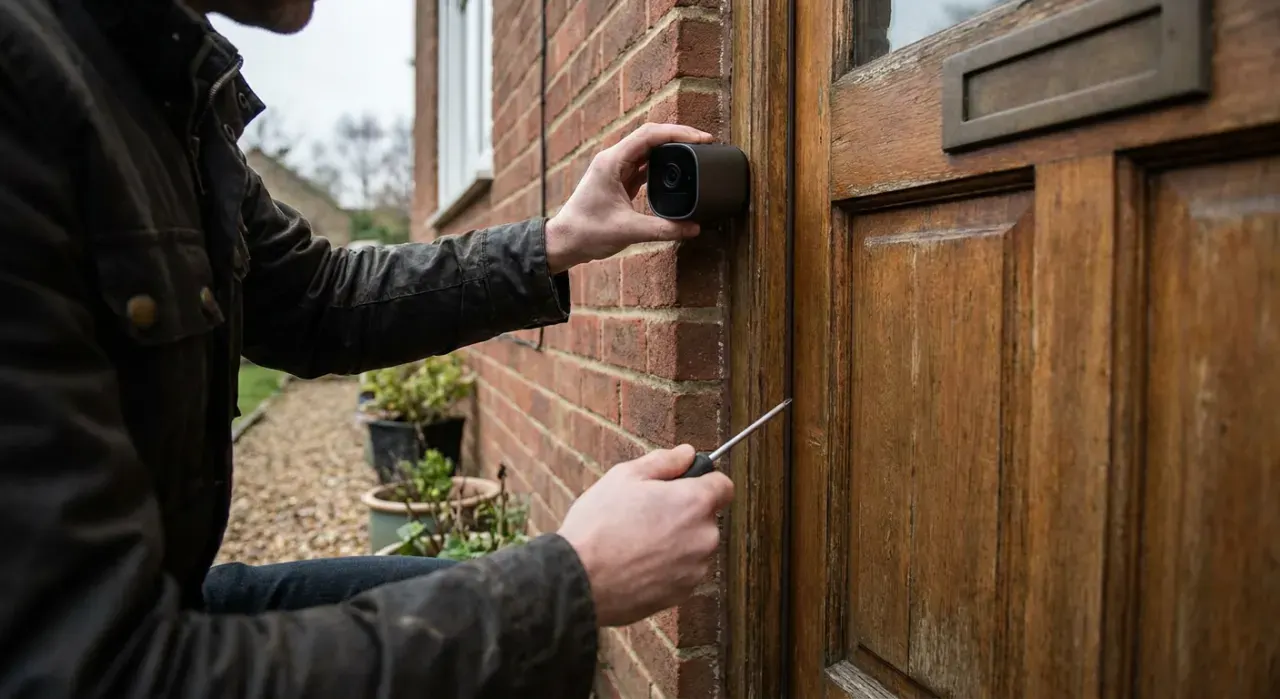
This is the single highest-value fix. A rigid bar, an adjustable metal security bar, or a wooden dowel cut to length laid in the bottom track physically stops the door from sliding, even if the latch is completely defeated.
- Measure the track length when the door is closed.
- Cut a hardwood dowel or broomstick to fit snugly, or buy an adjustable metal bar.
- Lay it in the track so the door cannot slide open more than an inch.
Adjustable bars that hinge up out of the way are the most convenient for a door you use daily. This one step blocks the most common sliding-door attack for under 20 dollars.
2. Install anti-lift screws
A bar stops sliding but not lifting, so pair it with anti-lift protection. The fix is to reduce the gap at the top of the door so the panel cannot be raised out of its track.
- Drive three or four sheet-metal screws partway into the upper track above the sliding panel, spaced evenly along its travel.
- Adjust the screw depth so the panel still slides freely underneath but has too little headroom to be lifted out.
This costs a few dollars and a few minutes. Together with the track bar, it defeats both primary attacks.
3. Upgrade the lock and add a foot lock
The factory latch should not be your only lock. Two inexpensive additions give real resistance.
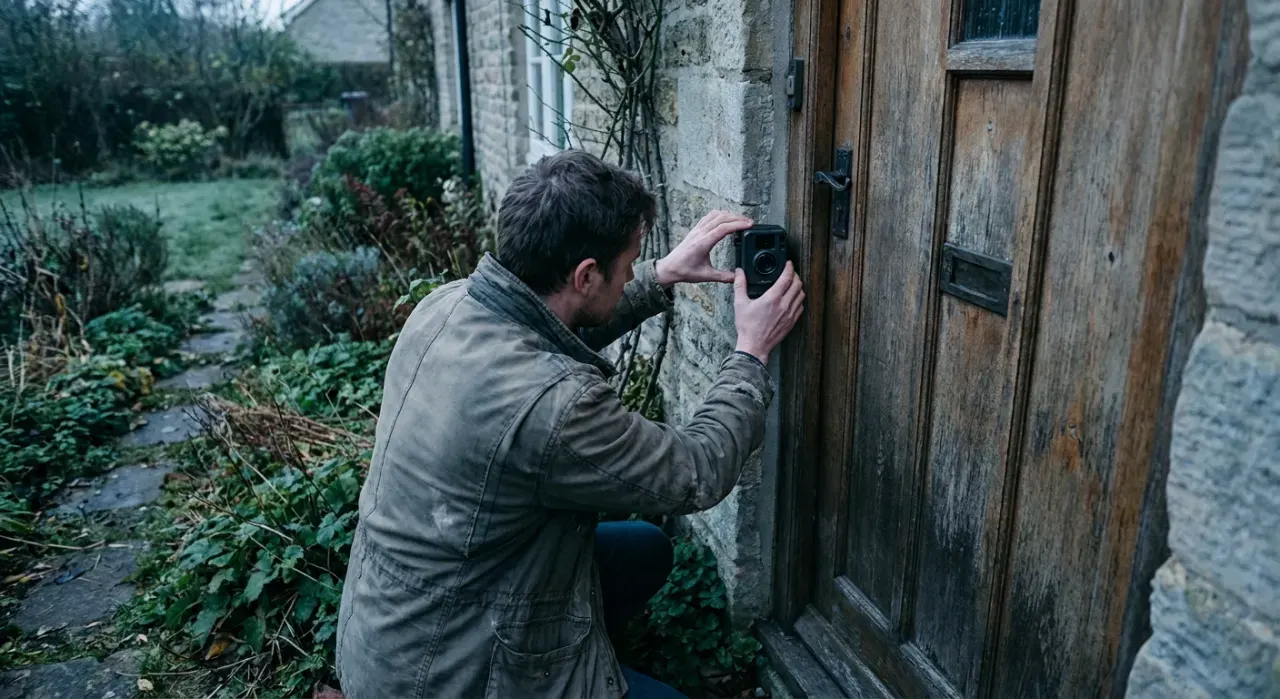
- A sliding-door foot lock or flip lock mounts on the frame and drops a bolt into the door or floor, adding a second locking point that resists prying. A second one mounted high defeats leverage attacks.
- A keyed loop lock or clamp lock replaces or supplements the weak latch with something an intruder cannot simply shake open.
For the broader lock picture, see best smart lock and best keypad door lock for entry doors, though sliders usually need dedicated slider hardware rather than a standard deadbolt.
4. Reinforce the glass with security film
Smashing the glass is the least common attack because it is loud and slow, but security film makes it slower still and adds storm protection as a bonus. A thick polyester safety film bonds to the interior surface so cracked glass holds together instead of falling away, turning a quick smash into a prolonged, noisy effort most intruders abandon.
- Clean the interior glass thoroughly.
- Cut the film to the pane size and apply it wet, squeegeeing out bubbles.
- Let it cure per the manufacturer instructions, usually a few days.
Film is a retrofit; true impact resistance requires laminated safety glass, which is far more costly.
5. Monitor with sensors and cameras
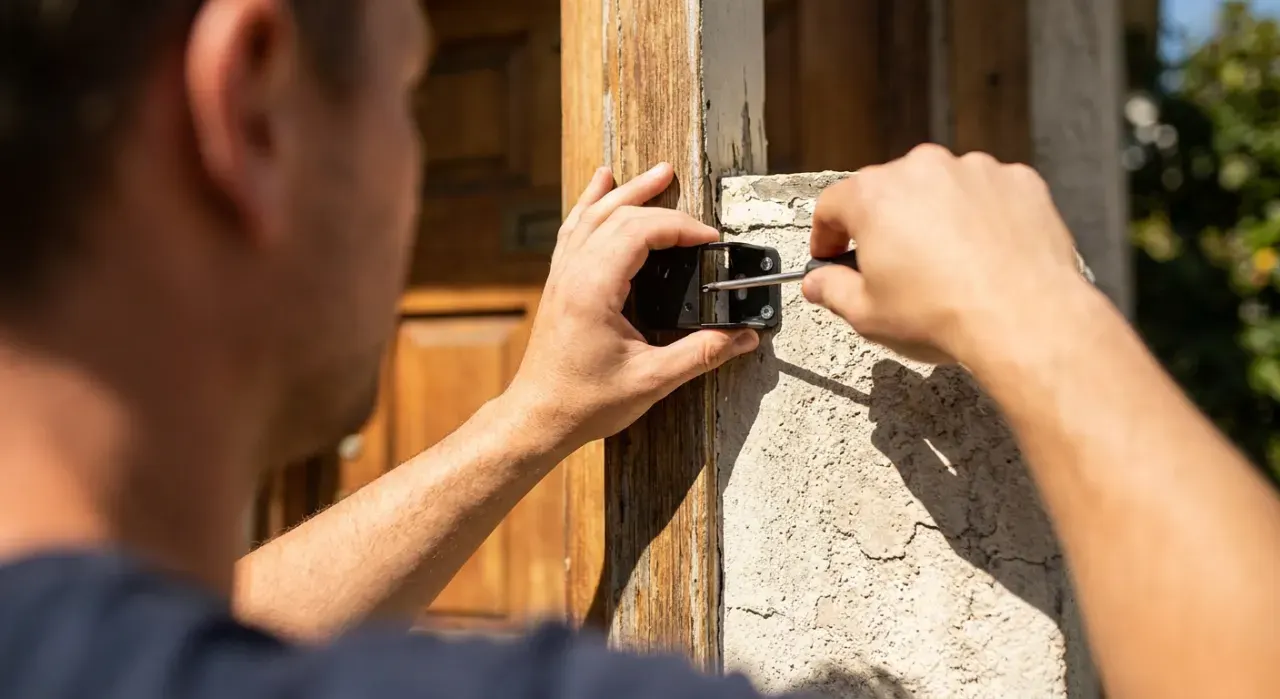
Physical barriers slow an intruder; monitoring tells you and deters them. A sliding door is a priority spot to cover because it is a common entry point and often faces a private backyard where a burglar feels unseen.
| Device | What it catches | Notes |
|---|---|---|
| Contact sensor | Door opening | Cheapest alert; mounts on frame and panel |
| Glass-break sensor | Smashed glass | Covers the rarer break-in attack |
| Outdoor camera | Approach and loitering | Deters and records; see our picks below |
| Motion light | Nighttime approach | Removes the cover of darkness |
For hardware, see best window sensors (which cover doors too), best outdoor security camera, and best motion sensor light. Installation steps are in how to install a door and window sensor.
Putting it together: what to do first
You do not need everything at once. Work down this list in order and stop when the door feels adequately protected for your situation and budget.
- Track bar or dowel — the essential, cheapest fix.
- Anti-lift screws — a few dollars, closes the lifting gap.
- A contact sensor — inexpensive alerting on a common entry point.
- A foot lock or secondary lock — a real second locking point.
- Security film — for glass-break resistance and storm protection.
- An outdoor camera and motion light — deterrence and evidence.
The first three cost under 50 dollars combined and address the attacks that actually happen. For a full home approach, see how to set up a DIY home security system and where to place security cameras, then browse the smart home and security hub. Our recommendations come from owner-review analysis and expert consensus, never hands-on testing, as explained in how we rank.