 Garden
Affiliate Disclosure
Some links on this page are affiliate links. As an Amazon Associate, we earn from qualifying purchases — at no extra cost to you. We do not buy, test, or physically handle the products we cover; our rankings come from aggregated owner reviews, ratings and expert consensus. Commissions never change our verdicts. How we rank · full disclosure.
The short answer: plant tomatoes outdoors 1 to 2 weeks after your last spring frost, once nighttime temperatures stay reliably above 50°F and soil has warmed to at least 60°F. Start seeds indoors 6 to 8 weeks before that transplant date. For most US gardeners the outdoor window falls between mid-April in the South and early June in the far North. Planting earlier into cold soil does not gain you an earlier harvest — chilled plants sit and sulk while later-planted ones catch up and pass them.
Timing is the decision that makes or breaks a tomato crop, more than variety or fertilizer. Get it right and the plants grow away strongly from day one. This guide gives you the exact windows by zone, the soil and air temperatures that matter, and how to count backward from frost dates so a late-maturing variety actually ripens.
When to Plant Tomatoes: Anchor to Your Last Frost Date
The single number you need is your average last spring frost date. Look it up by ZIP code through the NOAA or your state's Cooperative Extension frost-date tool — these are based on 30-year climate records. That date is your zero point: seeds go in indoors 6 to 8 weeks before it, and transplants go out 1 to 2 weeks after it.
Remember that "average last frost" means there is still a 50 percent chance of a later frost. For tender crops like tomatoes, waiting until 1 to 2 weeks past the average date, or until you have had a run of nights above 50°F, is the safe play. A single unforecast frost can wipe out a whole flat of transplants in one night.
Planting windows by USDA zone
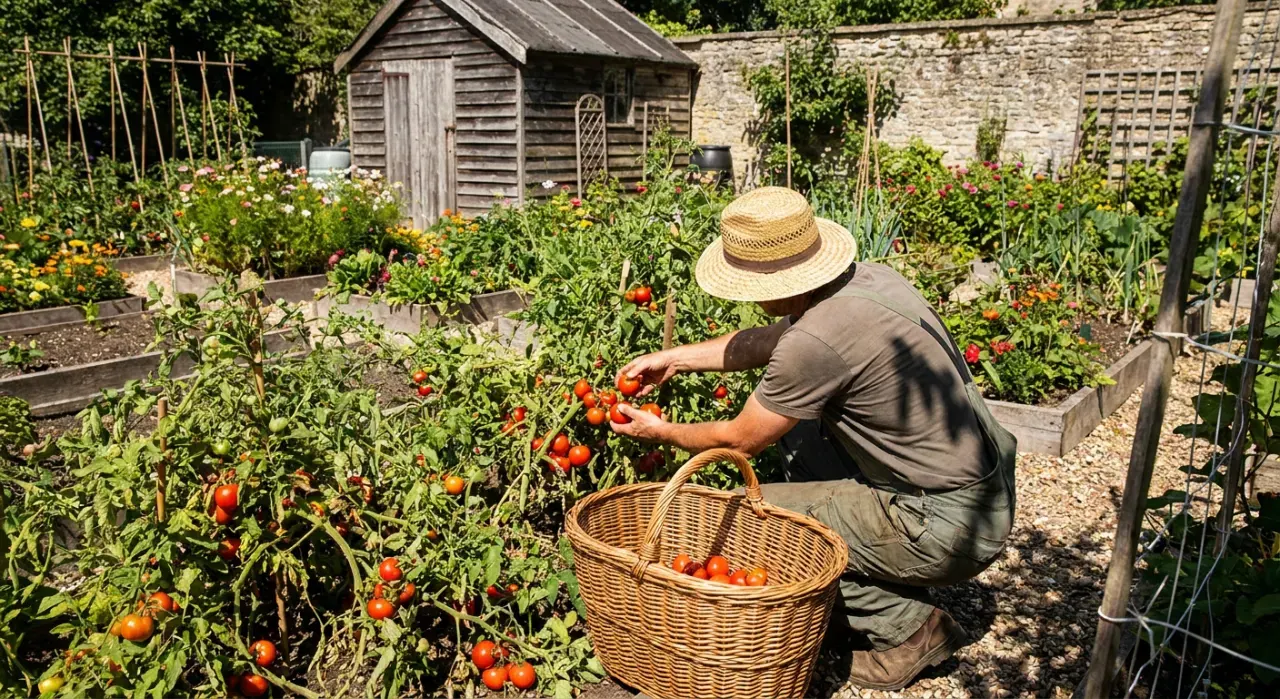
Use this as a starting frame, then adjust to your local frost date and the current season, which can run early or late by two weeks.
| USDA zone | Start seeds indoors | Transplant outdoors |
|---|---|---|
| 3 | Early to mid-April | Late May to early June |
| 4 | Early April | Late May |
| 5 | Mid to late March | Mid to late May |
| 6 | Mid-March | Early to mid-May |
| 7 | Late February to early March | Mid to late April |
| 8 | Early to mid-February | Mid-March to early April |
| 9 | January | Late February to March |
| 10+ | Fall and again late winter | September–October and February |
In zones 9 and warmer the enemy is heat, not cold: tomatoes stop setting fruit once nights stay above 75°F, so gardeners there front-load the season, planting in late winter to harvest before the worst of summer, and often plant a second crop for fall.
Soil Temperature for Planting Tomatoes Matters as Much as Air
Air temperature gets the attention, but soil temperature is what determines whether a transplant grows or stalls. Aim for a soil temperature of at least 60°F at planting, measured with a soil thermometer 4 inches down in mid-morning. At 55°F and below, roots barely function, phosphorus becomes unavailable (which turns leaves purple), and the plant sits still for weeks.
You can warm soil ahead of planting by laying black or red plastic mulch over the bed for 1 to 2 weeks before transplanting, which can raise soil temperature by 5 to 10°F. In cool springs this is often the difference between a plant that takes off and one that limps.
Starting seeds indoors: counting back 6 to 8 weeks
Most gardeners start tomatoes from seed indoors because it gives control over variety and timing. Sow 6 to 8 weeks before your transplant date — not earlier. Seeds started too soon become tall, root-bound, leggy plants that transplant poorly and offer no real head start.
- Sow 1/4 inch deep in a sterile seed-starting mix; germination takes 5 to 10 days at 70 to 80°F soil.
- Give strong light immediately on emergence — a bright window is rarely enough, so most people use a grow light 2 to 3 inches above the seedlings for 14 to 16 hours a day.
- Pot up to larger cells or 4-inch pots when the first true leaves appear, burying the stem deeper each time to build roots.
- Harden off over 7 to 10 days before transplanting.
For the full indoor routine see how to start seeds indoors, and if your seedlings stretch and flop, the leggy seedlings fix covers the cause. A reliable setup starts with the right gear — our best seed starting kit roundup compares options.
Harden off before they go out
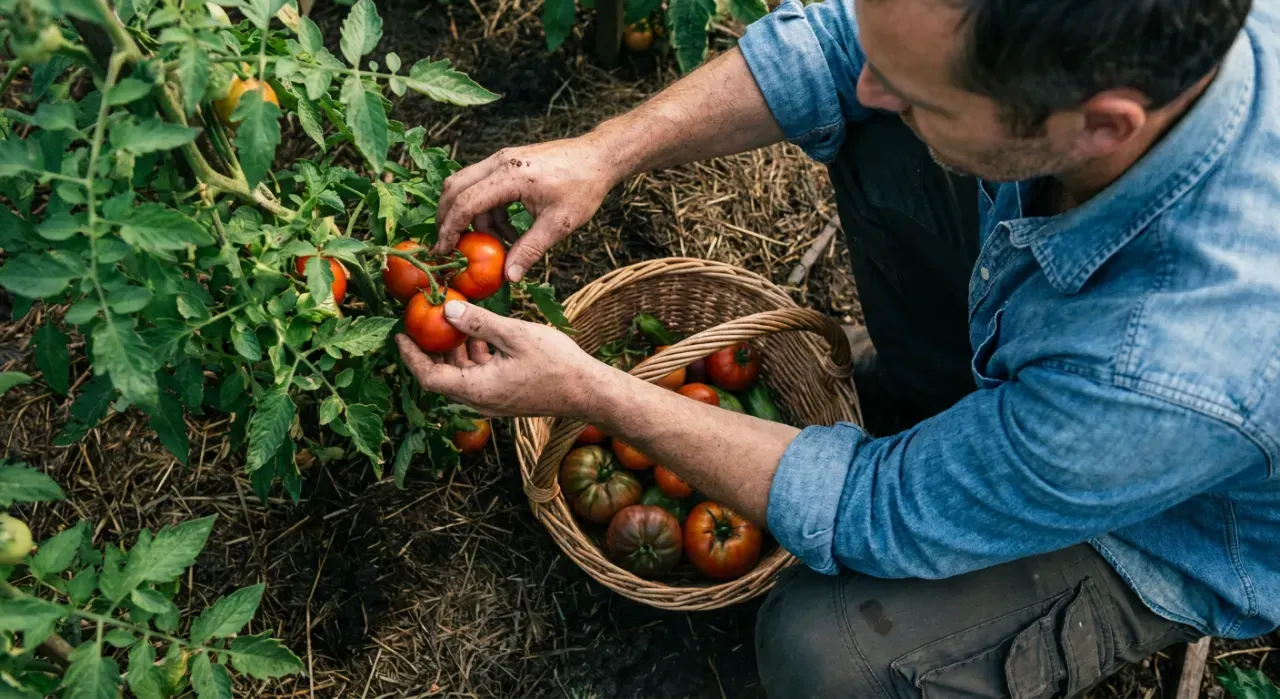
Indoor-raised plants have never felt real sun or wind and will scorch if planted straight out. Harden off over 7 to 10 days: set them outside in shade for a couple of hours the first day, then lengthen the time and increase sun exposure daily, bringing them in if nights drop below 50°F. Skipping this step causes white sunscald patches on leaves and a check to growth that costs you the very head start you were after. The full method is in hardening off seedlings.
Count backward from fall frost for late varieties
Timing is not only about spring. A big heirloom or beefsteak that needs 85 days from transplant must go in early enough to ripen before your first fall frost. Find your average first fall frost date, subtract the variety's days-to-maturity plus 2 weeks of buffer, and that is your latest safe transplant date.
Example: if your first fall frost averages October 10 and you want a 'Brandywine' (about 85 days), transplant no later than mid-July — and realistically earlier, because fruit ripens slowly as days shorten and cool. In short-season northern zones, stick to early and determinate varieties (50 to 70 days) so the crop finishes in time.
The timing mistakes that cost you weeks
| Mistake | What happens | Fix |
|---|---|---|
| Planting on the frost date itself | A late frost or cold nights stall or kill plants | Wait 1–2 weeks past the average date |
| Starting seeds 10–12 weeks early | Leggy, root-bound transplants that stall out | Start 6–8 weeks before transplant, no earlier |
| Ignoring soil temperature | Cold soil stunts roots; purple leaves, no growth | Wait for 60°F soil or warm it with plastic mulch |
| Skipping hardening off | Sunscald and transplant shock | Harden off over 7–10 days |
| Planting a long-season variety too late | Frost hits before fruit ripens | Count backward from fall frost; use early varieties up north |
Season extenders to plant a little earlier
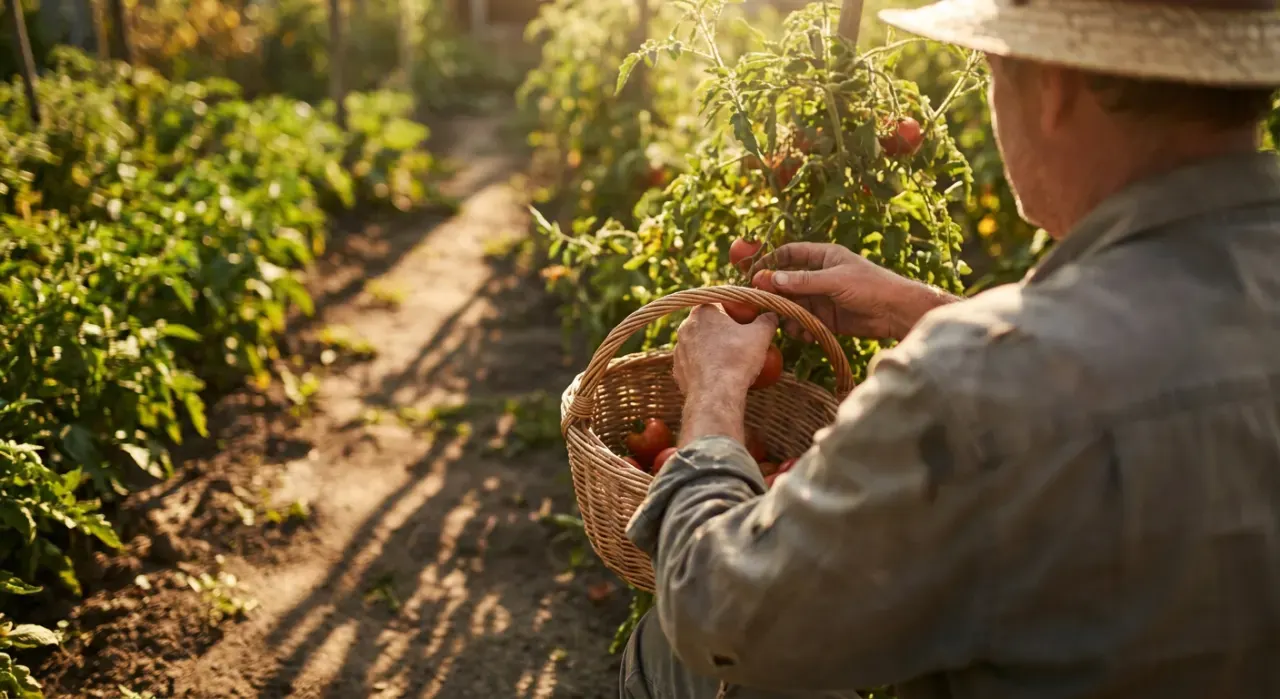
If you cannot wait, a few tools let you push the transplant date up by 1 to 3 weeks without cold-stunting the plants — genuinely useful in short-season northern zones where every week matters.
- Walls of water / plant teepees: water-filled plastic sleeves that surround the plant and release stored heat overnight, protecting down into the 20s°F. The most effective home tool for an early tomato.
- Cloches and row cover: a milk jug with the bottom cut off, or floating row cover on hoops, buffers a few degrees and blocks wind. Vent on warm days so plants do not cook.
- Black or red plastic mulch: laid a week or two ahead, it warms the soil 5 to 10°F, which matters more than air temperature for getting a transplant growing.
- Cold frames: a glazed box that lets you harden off and plant earlier in a protected microclimate.
Even with extenders, do not put tender transplants out before soil hits 60°F — the point of these tools is to reach planting conditions sooner, not to force a plant into cold ground it will only sulk in.
Adjust for your own microclimate
Published frost dates are regional averages; your yard can run warmer or cooler by a week or more. A south-facing bed against a wall, a raised bed (which warms and drains faster), or a sheltered urban spot lets you plant earlier, while a low-lying frost pocket, a north slope, or an exposed windy site argues for waiting. Track your own last-frost experience over a couple of seasons and trust it over the map. Nighttime lows are the number that matters most for tomatoes: watch the 10-day forecast and plant when the run of nights above 50°F begins, adjusting the zone table above to what your thermometer actually shows.
After Planting Tomatoes: Spacing and Support
Once timing is right, give plants room and support from the start. Space determinate tomatoes 18 to 24 inches apart and indeterminate types 24 to 36 inches, and set cages or stakes at planting so you are not disturbing roots later — details in how far apart tomato plants should be spaced and the best tomato cages roundup. Bury transplants deep, up to the first set of leaves, so roots form along the buried stem.
With the timing sorted, the next steps are feeding, pruning, and watering through the season. See how to prune tomatoes, the best organic fertilizer for tomatoes, and the full seeds and vegetable growing hub. Our product picks come from aggregated owner reviews and expert consensus, never first-hand testing — see how we rank.