 Garden
Affiliate Disclosure
Some links on this page are affiliate links. As an Amazon Associate, we earn from qualifying purchases — at no extra cost to you. We do not buy, test, or physically handle the products we cover; our rankings come from aggregated owner reviews, ratings and expert consensus. Commissions never change our verdicts. How we rank · full disclosure.
Short version: buy three tools properly — a trowel, a pair of bypass pruners and a digging spade — and buy the rest cheaply or not at all. Those three take almost every hour of real use in a garden, and they are the ones where forged steel, a decent handle and a solid neck join genuinely change how the work feels. This hub covers what to buy, what to skip, and how to keep steel working for twenty years instead of two.
We never buy, use or physically handle the tools we rank. Everything here comes from aggregated owner reviews, star ratings, review volume and expert consensus — the method is set out on how we rank.
The Short List That Covers 95% of Garden Work
Walk through a season and the same eight tools do nearly all of it. A hand trowel for planting, potting and transplanting. A hand fork or cultivator for loosening soil and teasing out shallow roots. Bypass pruners for anything green up to about half an inch. A digging spade — flat-bladed, for edging, planting and slicing sod. A garden fork for turning beds and lifting root crops without slicing them. A rake, leaf or bow depending on the job. A watering can or hose wand. And gloves that fit closely enough that you can still feel a seedling.
That is the list. Almost everything else — dibbers, weeders, bulb planters, soil scoops — is a convenience rather than a necessity, and much of it duplicates what a trowel already does. Beginners who buy a large multi-piece kit typically find themselves using three items from it, which is why our beginner tool list argues for buying fewer, better pieces.
Where the Money Actually Matters
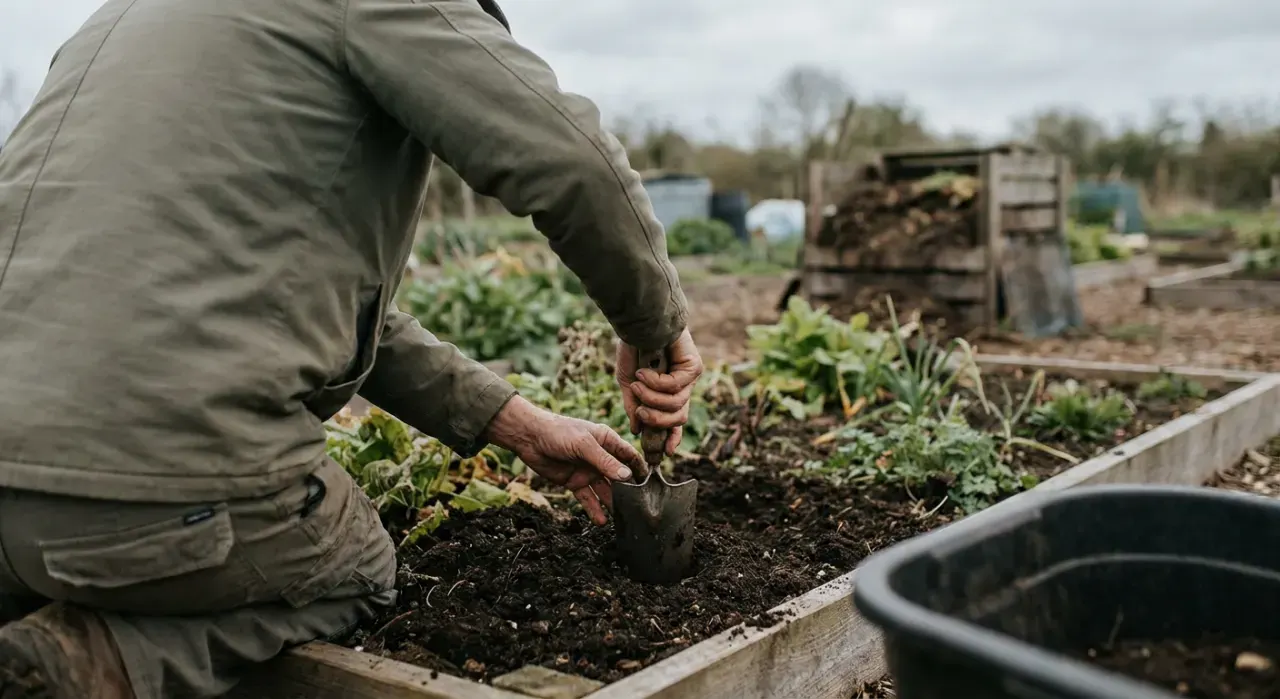
Owner reviews written a year or more after purchase point at the same failure points with remarkable consistency. The neck — the joint between the head and the handle — is where cheap trowels and forks bend or snap, because pressed sheet steel is folded rather than forged there. The pivot bolt is where cheap pruners die: once it loosens, the blades pass rather than shear and the tool crushes stems. And the step on a cheap spade folds under a boot.
Spend on those three and buy value elsewhere. A cast-aluminum or forged one-piece head on a trowel effectively removes the neck failure; replaceable-blade pruners with a serviceable pivot last decades; a forged spade with a proper turned step handles a lifetime of edging. Our stainless vs carbon steel guide covers which metal suits which job, and the ranked kits are in best garden tool sets.
Handles, Grips and Why Your Hands Ache
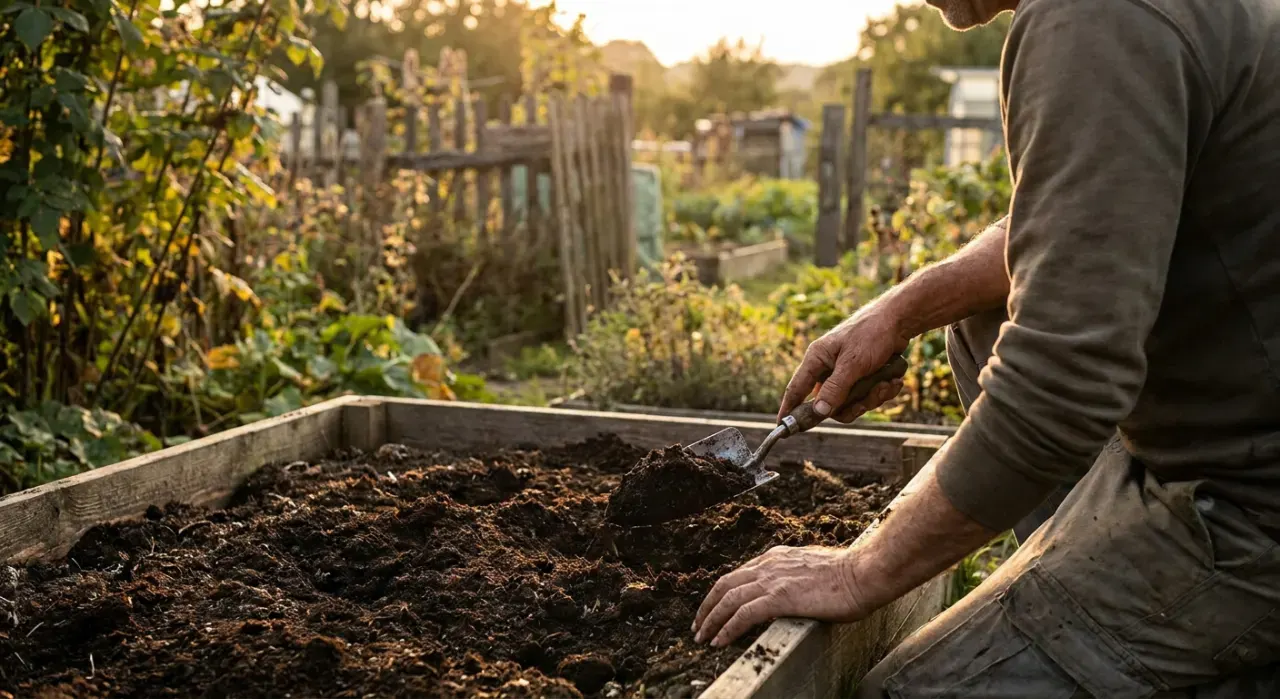
Handle design matters more than most buyers expect, and it is the single most common thread in reviews written by gardeners over sixty. Three things drive comfort. Grip diameter — a handle too thin forces a clenched grip that fatigues the forearm within minutes. Grip material — bare wood is beautiful and blisters; over-molded rubber grips absorb shock and stay usable when wet. Wrist angle — tools with an angled or offset grip let the wrist stay neutral, which is why they dominate recommendations for arthritic hands.
Weight cuts both ways. A heavy forged spade does more of the digging for you, but a heavy trowel is simply tiring over an afternoon of planting. For long-handled tools, check the overall length against your height — a spade or fork too short forces you to stoop, and that is where back complaints in reviews almost always originate. The ergonomic tools guide goes deeper for anyone dealing with hand or joint pain.
Tool Sets vs Buying Individually
Sets are excellent value in one specific situation: you are starting from nothing, or you are buying a gift. A good set gets a new gardener working immediately with a tote to keep everything in one place, and the better ones cost less than two premium tools bought separately. The trade-off is consistency — most sets are strong on one or two pieces and mediocre on the rest, and almost none include a full-size spade or fork, so you will still be buying those.
Buying individually wins when you already know how you garden. Someone who mostly grows in containers wants a good trowel, a transplanter and a soil scoop, and has no use for a hand rake. Someone clearing an overgrown yard needs loppers and a spade far more than they need a bulb planter. Our ranked tool sets page lists what each kit gets right and where it falls short so you can decide which route suits you.
Care: Ten Minutes That Buys You Years
The maintenance routine that keeps tools alive is short enough to do without thinking about it. Knock the soil off before the tool goes away — dried soil holds moisture against steel and that is where rust starts. Dry the metal, especially after cutting wet greenery, because plant sap is acidic. Oil once a season: a wipe of mineral or camellia oil on the metal, and boiled linseed on wooden handles that have gone gray and thirsty. Sharpen pruners in season and spades once or twice a year.
Storage matters as much as cleaning. Hanging tools keeps heads off damp concrete and stops the edges dinging each other. Wooden handles left outdoors go silver, then splinter, then snap under load. Anyone reviving a shed full of neglected steel should start with removing rust from tools, then move to sharpening — a rusted spade with a fresh edge often outperforms a new budget one.
Materials: What the Head and Handle Are Telling You
Three material choices explain most of the price difference between tools that look identical on a shelf. Forged or cast heads versus pressed sheet steel is the big one. A forged head is hammered from a solid billet and a cast head is poured as one piece, so both carry the neck as part of the head; pressed tools are stamped from flat sheet and folded, which is fast, cheap and the reason the neck is where they bend. You can usually tell by feel — a pressed trowel is noticeably lighter and the shank looks like a rolled tube.
Handle material is next. Ash and hickory absorb shock, feel warm in the hand and can be replaced when they break, but they need occasional oiling and they will rot if stored wet. Fiberglass is stronger for the weight and completely weatherproof, at the cost of a slightly dead feel and no realistic repair path. Molded plastic and rubber over-grips are the norm on hand tools and are perfectly good, provided the grip is bonded rather than a sleeve that eventually spins.
Coatings matter less than marketing suggests. Powder coating on a digging tool wears off at the working edge within a season, and that is normal rather than a defect — what matters is the steel underneath. Polished stainless and polished aluminum shed soil better than painted finishes, which is a genuine daily convenience when you are working wet clay. None of it substitutes for cleaning and oiling, which is covered in storing garden tools.
Where Hand Tools Stop and Power Starts
Hand tools have a clear ceiling. Bypass pruners handle green stems up to roughly half an inch; loppers take you to about an inch and a half; beyond that you want a pruning saw or a powered trimmer. Trying to force pruners through a branch they were not built for is how pivot bolts loosen and blades twist — and it is one of the most common causes of premature pruner failure in owner reviews. Our pruning and hedges hub covers where that line sits and what to use above it, including the best hedge trimmers for anything bigger than a shrub.
Where to Start
If you are equipping a garden from scratch, read the eight tools a beginner needs, then pick a kit from our ranked tool sets and upgrade the trowel and pruners first as they wear out. If you already have tools that feel tired rather than broken, spend an evening on sharpening before you spend anything at all — most gardeners are one file away from tools that feel new. The full map of this hub is below.