 Garden
Affiliate Disclosure
Some links on this page are affiliate links. As an Amazon Associate, we earn from qualifying purchases — at no extra cost to you. We do not buy, test, or physically handle the products we cover; our rankings come from aggregated owner reviews, ratings and expert consensus. Commissions never change our verdicts. How we rank · full disclosure.
Short version: the backyard is a room you furnish, and it has the same three jobs as any room — somewhere to cook, somewhere to sit, and something to gather around. This hub covers all three: gas and charcoal grills, fire pits, patio furniture and shade. It also covers the maintenance that decides whether this year’s purchase is still working in five years, which in outdoor gear is mostly about covers, grease and rust.
We do not buy, cook on or physically handle the products we rank. Every recommendation is assembled from aggregated owner reviews, star ratings, review volume and expert consensus. The method is set out on how we rank.
Grills: Gas or Charcoal, and Why It Matters
The gas-versus-charcoal argument is really an argument about weeknights. Gas lights in seconds, holds a set temperature, and is clean enough that you will genuinely use it on a Tuesday. Charcoal takes twenty minutes to get going and demands attention, but it reaches higher searing temperatures, gives a flavor gas cannot copy, and costs a fraction as much for the same build quality. The honest split among people who own both is that gas gets used four times as often and charcoal gets used for the meals that matter.
If you buy one grill, buy gas — unless you already know you enjoy the process, in which case a good kettle at a third the price will outperform a cheap gas grill on flavor every time. The trade-offs in full are in gas vs charcoal grills, with ranked fields in best gas grill and best charcoal grill.
Ignore the BTU Number on the Box
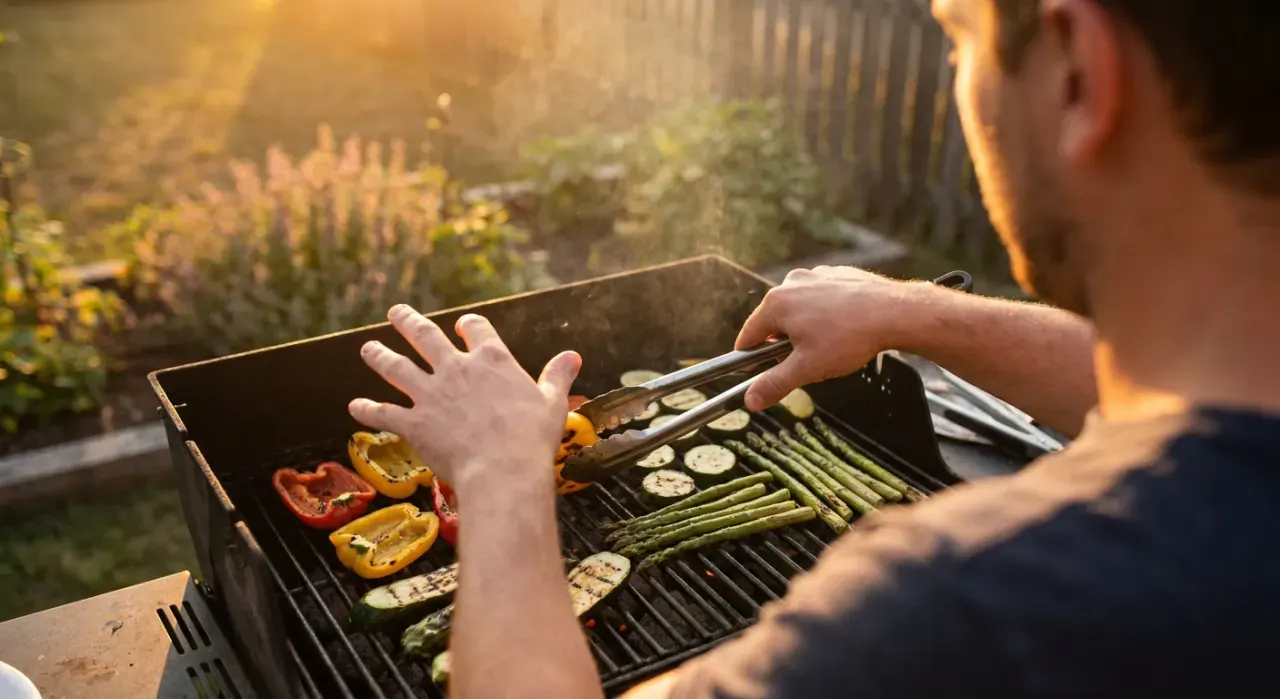
BTUs measure fuel burned per hour, not heat delivered to food. A thin-walled grill with a loose lid needs enormous burner output to hold 450°F because it sheds heat as fast as it makes it; a well-built grill with a heavy lid, thick grates and proper flame diffusers holds the same temperature on far less gas. That is why a 30,000 BTU three-burner from a good maker routinely out-cooks a 60,000 BTU five-burner from a cheap one.
A useful sanity check is BTUs per square inch of primary cooking surface — roughly 75 to 100 is a healthy figure. Beyond that, look at what the heat lands on: cast iron grates hold and transfer heat far better than thin chrome-plated wire, and some form of barrier over the burners (flavorizer bars, tents, heat plates) is what turns dripping fat into smoke instead of a flare-up. More in grill BTUs explained.
Sizing a Grill Honestly
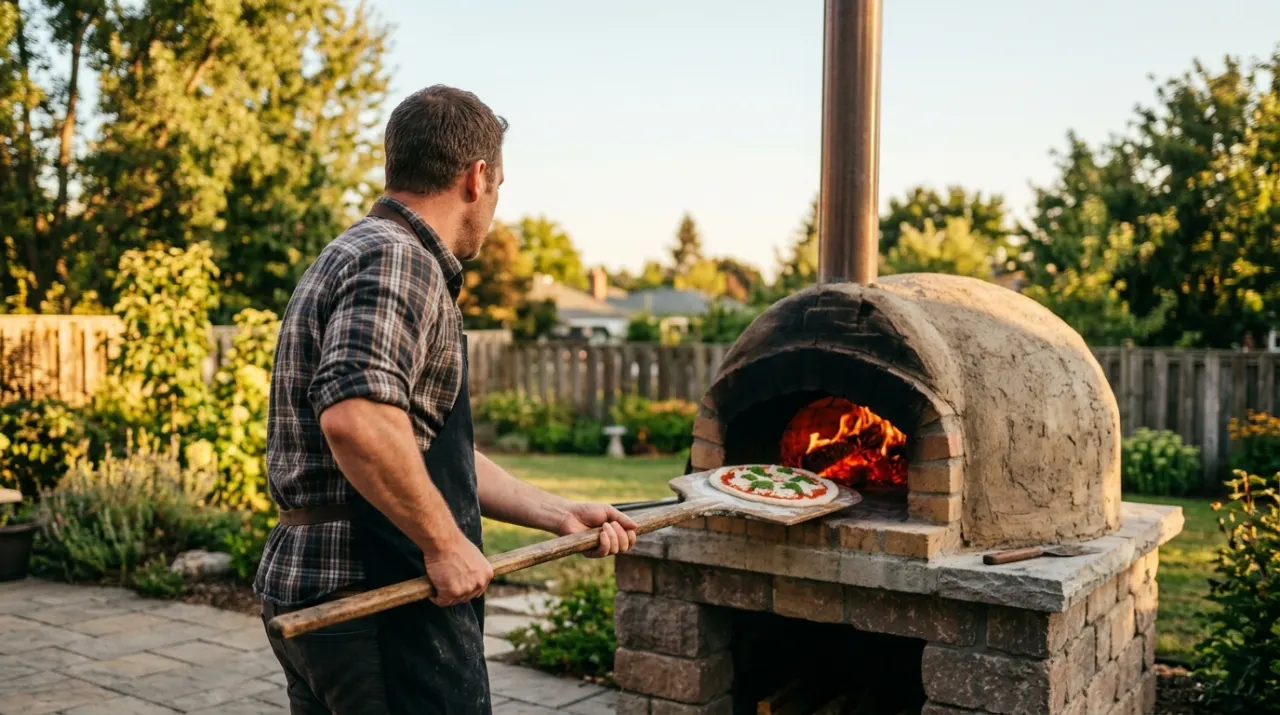
Most people buy too much grill. A three-burner with roughly 400 to 500 square inches of primary cooking surface feeds a family of four with room to spare and still fits a normal deck. Four and five burners make sense if you regularly cook for eight or more, or if you want a dedicated indirect zone for roasting while the other burners sear. Beyond that you are paying to heat metal you never use, and a large grill takes longer to preheat and more gas to run.
Do count on a side burner if you make sauces or boil corn outdoors, and do check the fold-out shelf real estate — the most common workflow complaint in grill reviews is nowhere to put a tray. Fixed shelves that do not fold are a storage problem in a garage; folding ones are almost always worth having.
Propane, Natural Gas and Tank Safety
A standard 20 lb propane tank gives roughly 18 to 20 hours of cooking on a three-burner grill — around a full season for most households, less if you sear hot and often. Natural gas removes the refill chore entirely and is cheaper per hour to run, but it requires a plumbed line and a grill built or converted for it, and it permanently anchors the grill to one spot. If you have the line and the grill never moves, natural gas is the better long-term setup. If not, propane is more flexible and every model in our field runs it. The comparison is in natural gas vs propane grills.
Two safety points worth stating plainly. Store propane tanks outdoors, upright and shaded — never in a garage, shed or basement. And check for leaks the simple way when you reconnect: brush soapy water over the connections with the valve open and the burners off, and look for bubbles. The US Consumer Product Safety Commission has issued guidance on grill fires for years, and the common causes are a leaking connection and a grease tray nobody emptied.
Fire Pits and Gathering
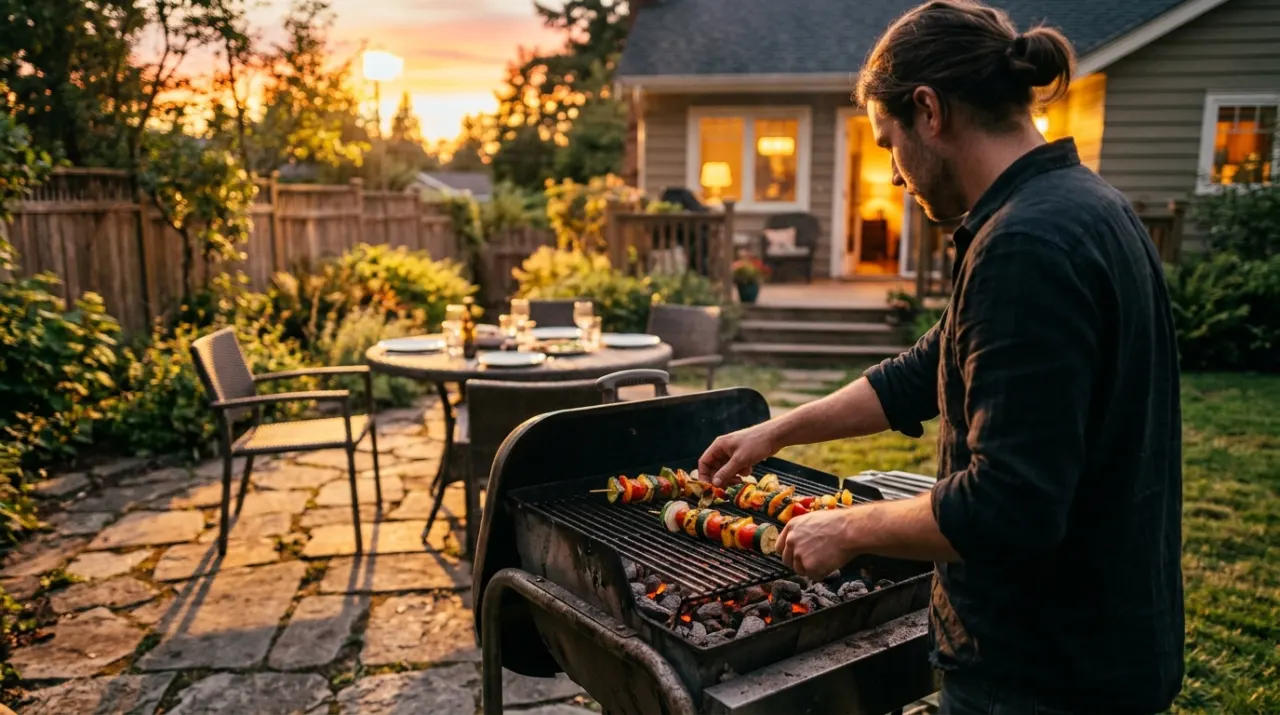
A fire pit extends the usable season at both ends of the year more cheaply than anything else you can buy for a yard. Three formats dominate. Wood-burning bowls are the cheapest and give real flame and crackle, at the cost of smoke that follows you around the circle. Smokeless steel pits use a double wall and secondary combustion to burn the smoke rather than emit it — they genuinely work, and they cost several times as much. Gas fire tables light instantly, produce no smoke and double as a table, but they give warmth rather than a real fire feel and need a propane tank hidden in the base.
Whatever the format, the placement rules are the same: at least ten feet from structures, fences and overhanging branches, on pavers or gravel rather than a wooden deck or dry grass, and never under an umbrella. Check local burn ordinances too, because open wood fires are restricted in many western counties during fire season. Ranked options in best fire pit.
Furniture and Shade
Outdoor furniture fails in predictable ways, and the failure is almost never the design. Frames: powder-coated aluminum is the sweet spot — it does not rust, it is light enough to move, and it survives sprinkler spray. Steel is cheaper and sturdier-feeling but rusts from every chip in the coating. Resin wicker over an aluminum frame ages well; resin wicker over steel does not. Teak lasts decades and needs either annual oiling or acceptance that it will turn silver-gray. Cushions are the consumable in every price band — solution-dyed acrylic fabric resists fade far better than printed polyester, but nothing lasts forever in full sun, so store them or plan to replace them.
Shade is the most under-bought item in a backyard. A market umbrella needs a base weight of at least 50 lbs on a free-standing patio, and a cantilever needs considerably more or a bolted mount; the most common review complaint in this whole category is an umbrella that blew over and snapped. Close it whenever you leave. Details in best patio furniture sets and best patio umbrella.
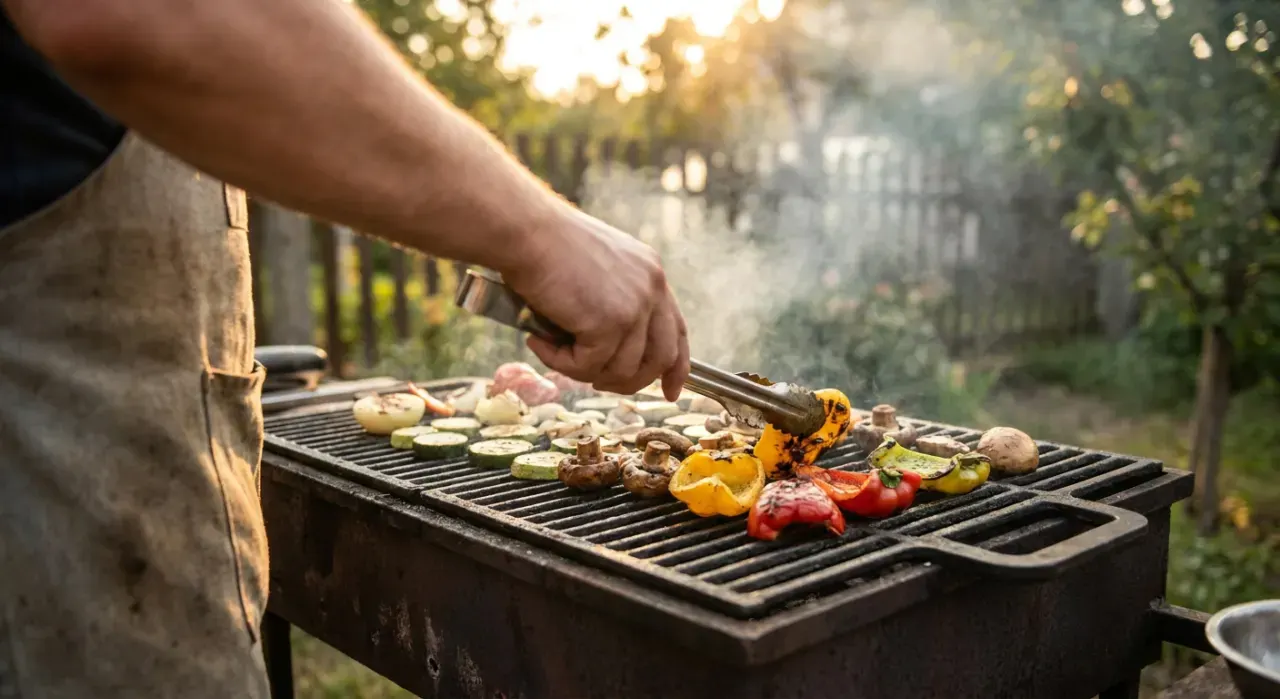
The Maintenance That Doubles Everything’s Life
Three habits separate outdoor gear that lasts a decade from gear that lasts two summers. Cover it — a fitted cover is the cheapest life extension available for a grill or a furniture set, and it matters most in the off-season. Clean the grease — an emptied tray and a scraped firebox prevent both flare-ups and the slow corrosion that kills fireboxes from the inside. Winterize properly — disconnect and store the propane tank outside, bring cushions in, empty and cover the fire pit so it does not sit full of water and freeze. Those three jobs take about an hour a year in total. The routines are in how to clean a gas grill and winterizing a grill and patio.
Where to Start
If the backyard is currently empty, buy in this order: a grill you will use on weeknights, seating for the number of people you actually host, shade over that seating, then a fire pit. Start with the ranked field in best gas grill. A patio to put it all on is covered in how to lay a paver patio, and lighting the space so it works after dark is in the garden lighting hub. The topical map below links every part of the subject.